
Amazing Cheetahs: Speed and Survival
PicoBuddyUpper ElementaryInformational3 min read397 words
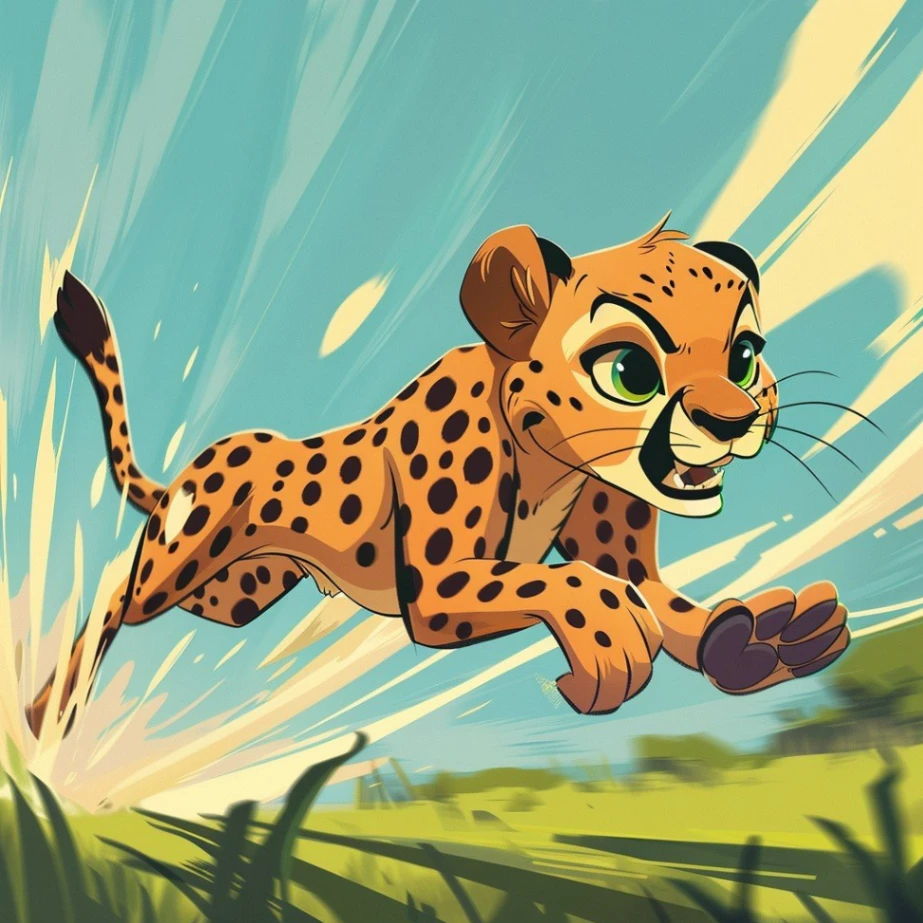
Amazing Cheetahs: Speed and Survival
Cheetahs are super cool cats! They are famous for being the fastest land animals in the world. But there's way more to cheetahs than just running fast. Let's learn some amazing facts about these spotted speedsters.
Spotting a Cheetah
Cheetahs have a tan or yellowish body covered in black spots. These spots help them blend in with the tall grasses of their habitat. Each cheetah has a unique spot pattern, just like our fingerprints! Look closely, and you'll also see black "tear marks" that run from the corner of their eyes down their nose. These marks help reduce the glare from the sun, like built-in sunglasses.
Super Speed
Cheetahs can run super fast, but only for short bursts. When chasing prey, they can reach speeds of up to 75 miles per hour! That's faster than most cars on the highway. However, they can only maintain this speed for a few hundred yards because it takes so much energy.
How Do They Do It?
Cheetahs have special features that help them run so fast. They have a flexible spine, like a spring, which helps them stretch out their stride. Their large nostrils allow them to take in lots of oxygen while running. And their long tail helps them balance and steer, like a rudder on a boat.
What's on the Menu?
Cheetahs are carnivores, which means they eat meat. They hunt animals like gazelles, wildebeest, and impalas. They sneak close to their prey, then use their incredible speed to chase and catch them. After a successful hunt, cheetahs need to eat quickly before other predators, like lions or hyenas, try to steal their meal.
Cheetah Cubs
Baby cheetahs are called cubs. A mother cheetah usually has a litter of three to five cubs. These cubs stay with their mom for about two years, learning how to hunt and survive. Cheetah cubs are very vulnerable, and many don't survive to adulthood. They have a fluffy mane on their back when they are little, which helps to camouflage them in the tall grass.
Cheetahs in Trouble
Sadly, cheetahs are endangered, which means there aren't many left in the wild. They face many threats, including habitat loss, poaching, and conflict with humans. Conservation efforts are underway to protect cheetahs and their habitats so that these amazing animals can continue to run wild for generations to come.
- Habitat:
- The natural environment where an animal lives.
- Carnivore:
- An animal that eats meat.
- Endangered:
- A species at risk of extinction.
- Camouflage:
- To blend in with the surroundings.
You Might Also Like


About this informational passage for Upper Elementary
“Amazing Cheetahs: Speed and Survival” is a informational reading passage about Cheetahs, written for Upper Elementary. It takes about 3 minutes to read (397 words) and comes with an interactive quiz and a printable worksheet with comprehension questions and an answer key.