
The PicoBuddy Blog
News, strategies, and stories from the intersection of AI and literacy.
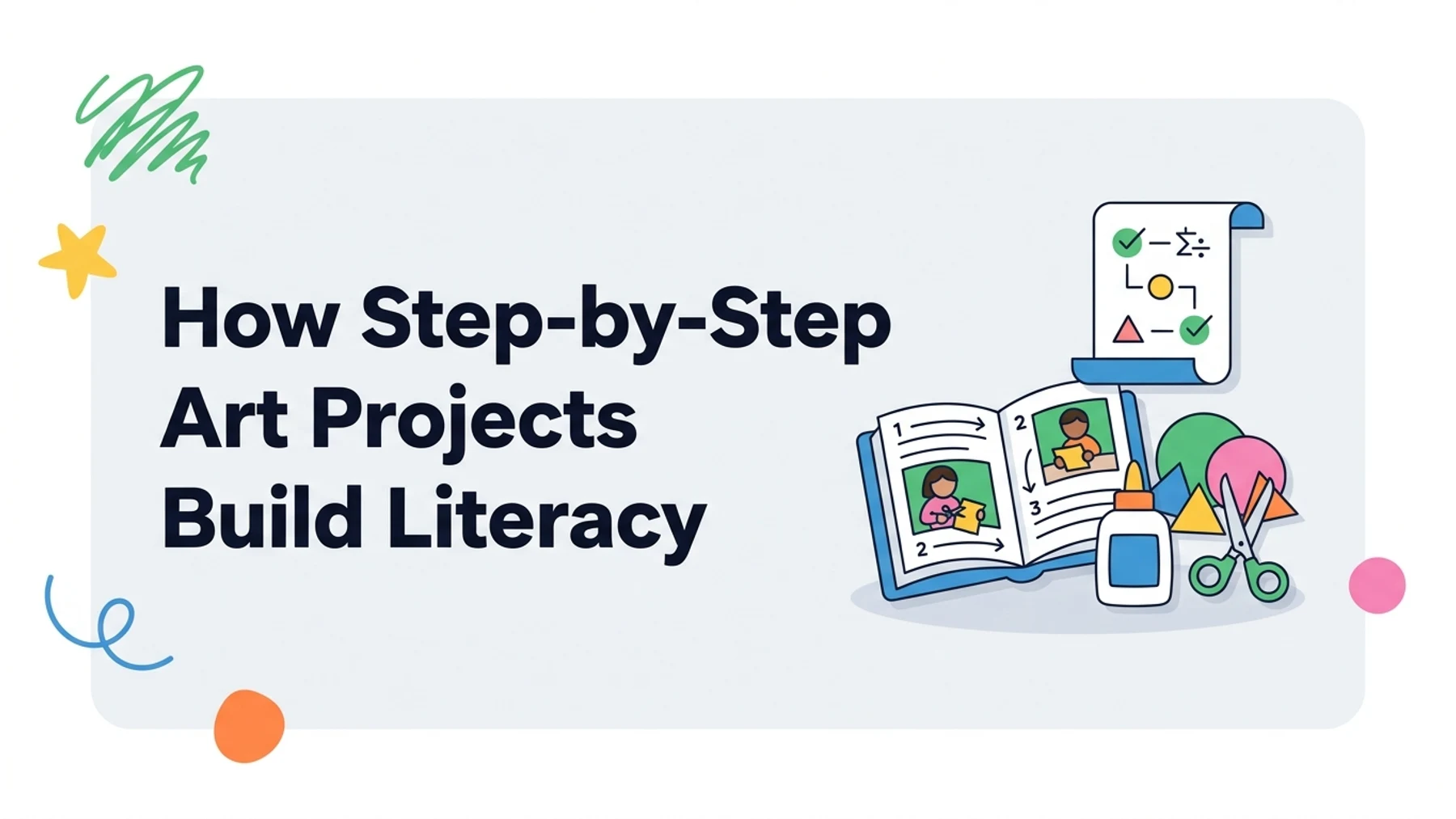
Craft instructions give lower elementary students a real reason to read carefully. Use step-by-step art projects to teach sequence, action words, retelling, and procedural writing.
Halloween can be more than a seasonal worksheet. Use one story or topic to practice prediction, vocabulary, comprehension, fluency, Reader’s Theater, writing and more with these 25 practical ELA ideas for Grades 1–8.
Use one shared rocket question across grades 3–8. Start from PicoBuddy’s live Rockets & Spacecraft collection, adapt the reading level when needed, and choose one response format that matches each group’s goal.

Turn fall color into a small homeschool science investigation. Learn why leaves change, then track what your child actually sees outdoors over the next few weeks.
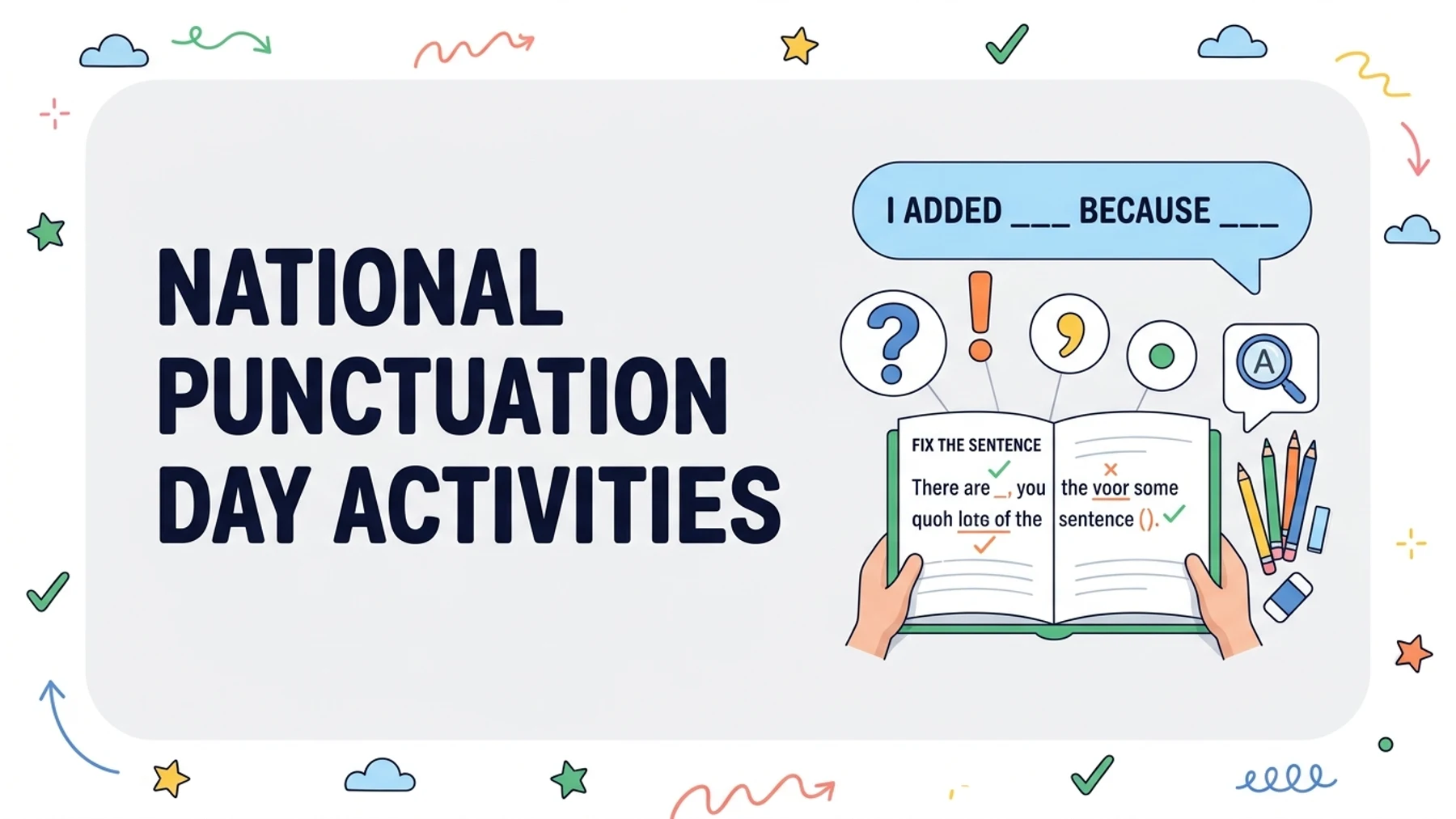
Turn a reading passage students already understand into contextual punctuation practice with its Fix the Sentence worksheet, an explanation prompt, and a short transfer into real writing.

September 10 is the Atlantic hurricane season’s climatological peak, but that does not mean a hurricane must exist on that date. Use the contrast to teach the difference between long-term patterns, seasonal outlooks, and daily forecasts.
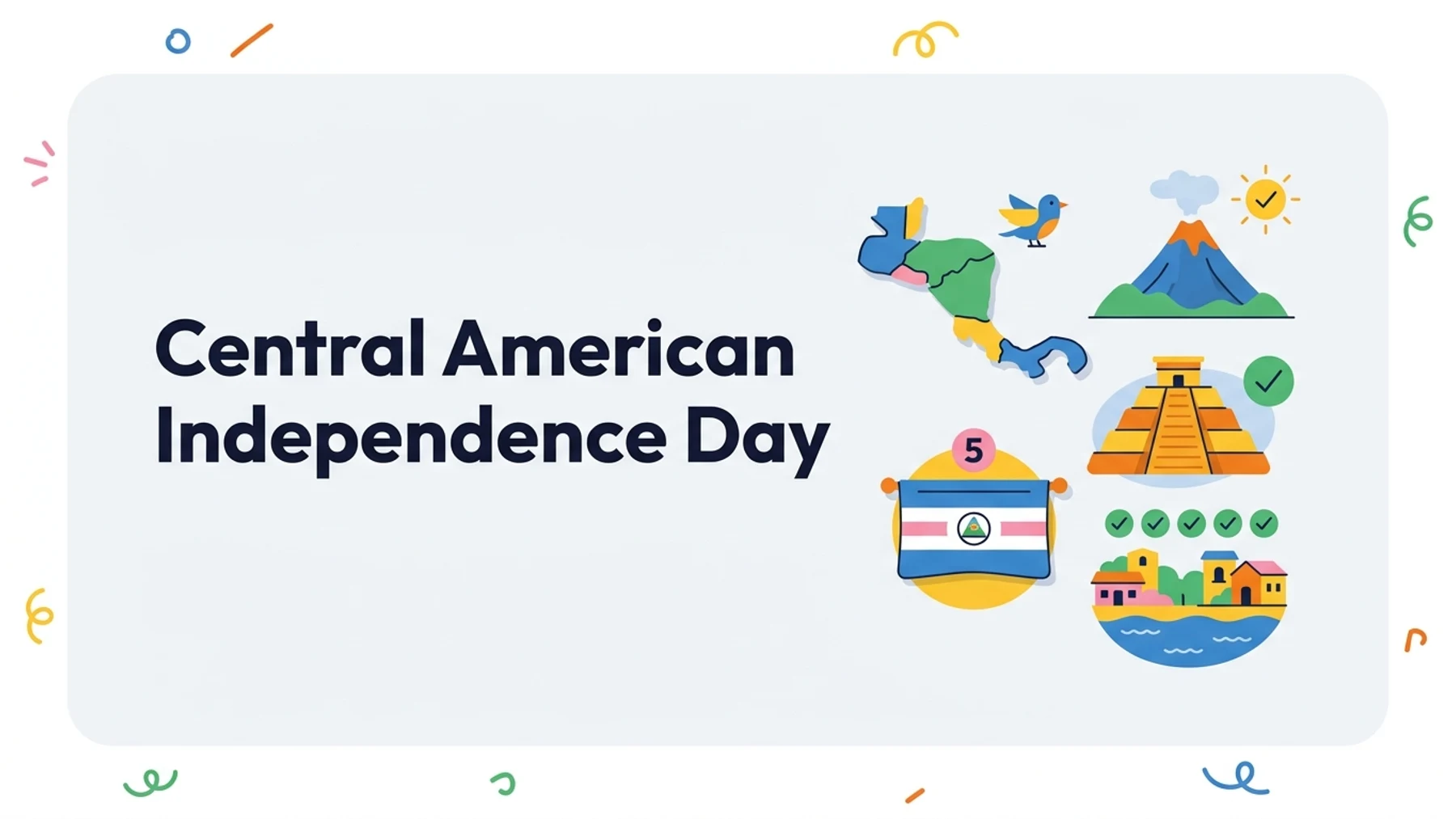
Five Central American countries share September 15 because of one 1821 independence declaration. Teach the shared history while keeping Costa Rica, El Salvador, Guatemala, Honduras and Nicaragua distinct.
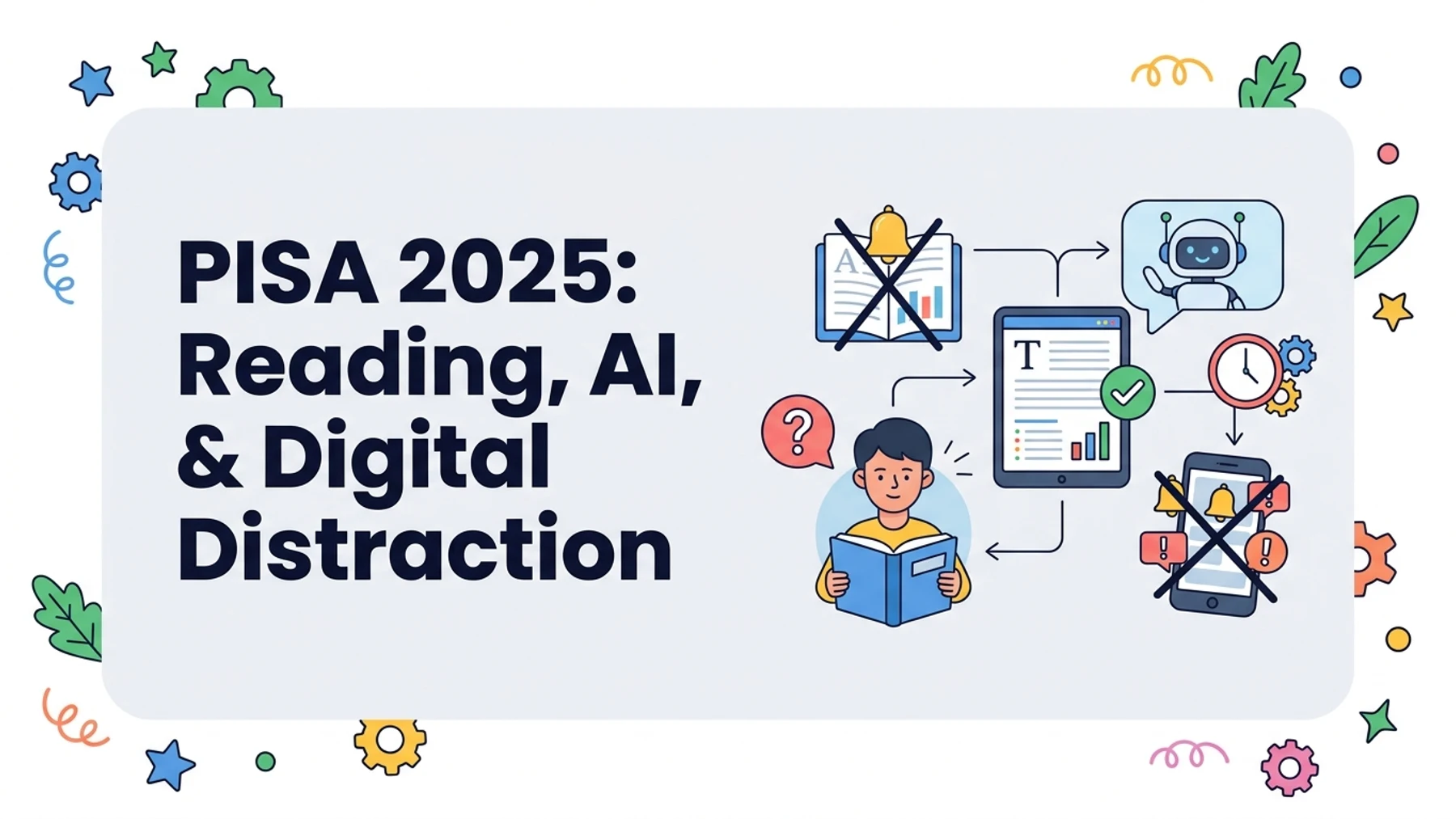
PISA 2025 offers a more useful classroom story than rankings alone: slow down the read, protect attention, and give AI a defined learning role without removing the thinking students need to practice.
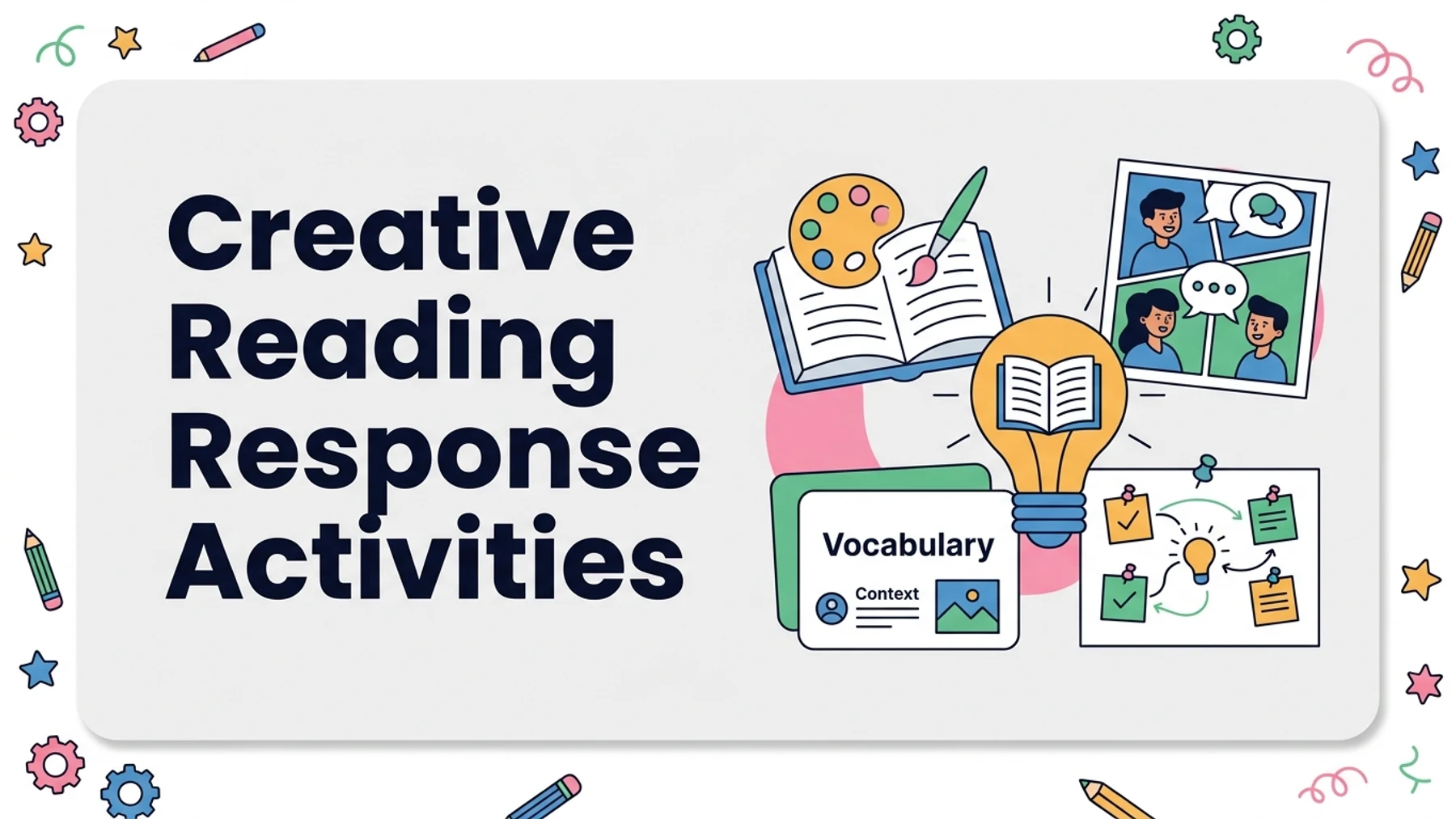
Creative reading responses work best when the art still shows what the student understood. Start with the reading goal, then choose drawing, comics, visual vocabulary or another response that makes that thinking visible.
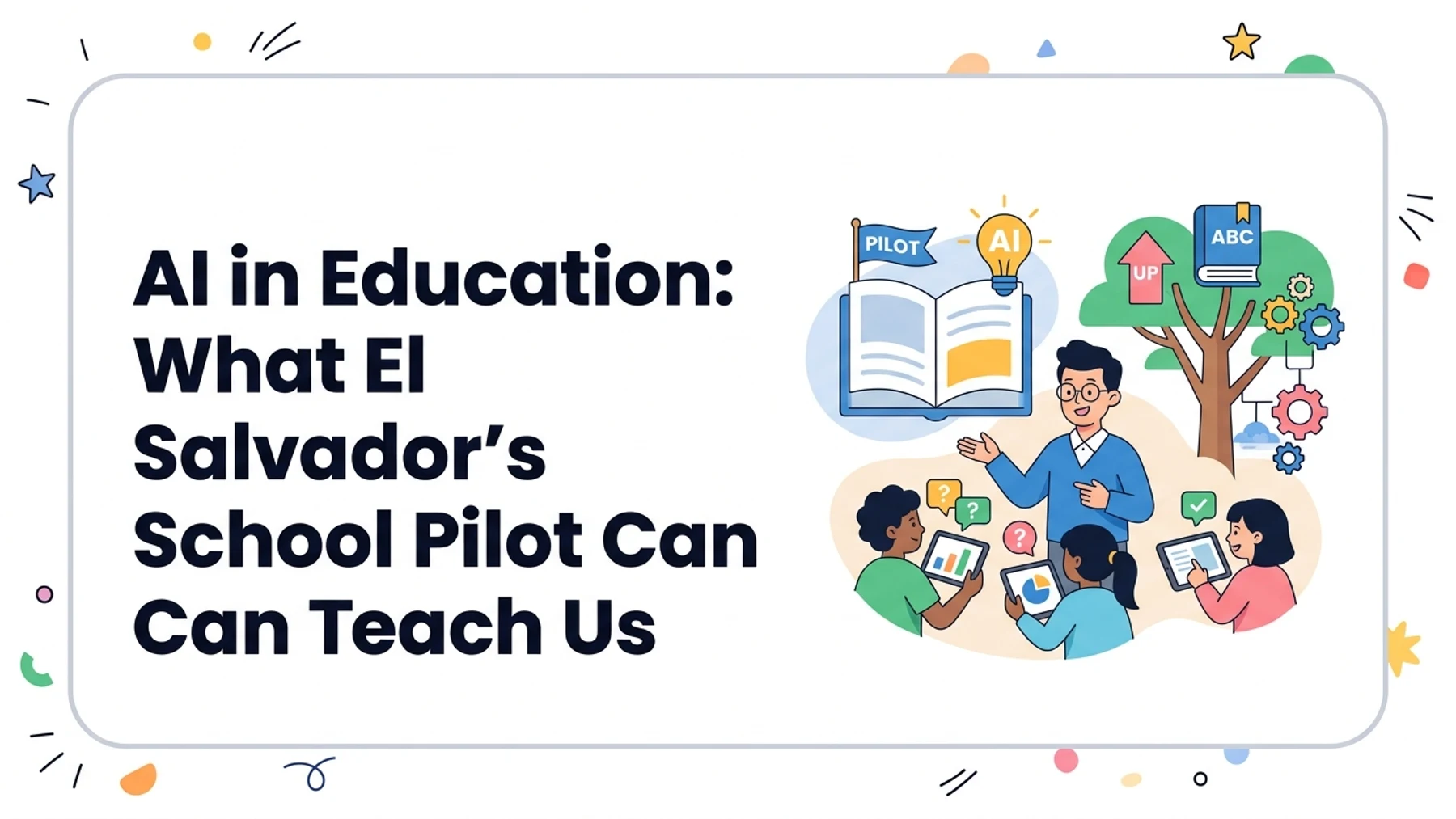
El Salvador’s AI school pilot shows why the useful question is not whether AI belongs in education, but which work it should support and which thinking must stay with teachers and students.
Spelling homework does not have to become a nightly test. Use a short routine that helps your child hear the word, notice its pattern, write it from memory, and learn from the part that went wrong.
Vocabulary homework should help a child understand and use words, not only repeat them. Try a short five-step routine that makes each word more meaningful.
Turn fall monarch migration into a compact homeschool science-and-reading lesson with one passage, a map, an observation, and optional community-science context.