
fix the sentence
Sentences from the passage with the capitals and punctuation removed — rewrite each one correctly.
Web preview · Open larger preview (opens in a new tab)
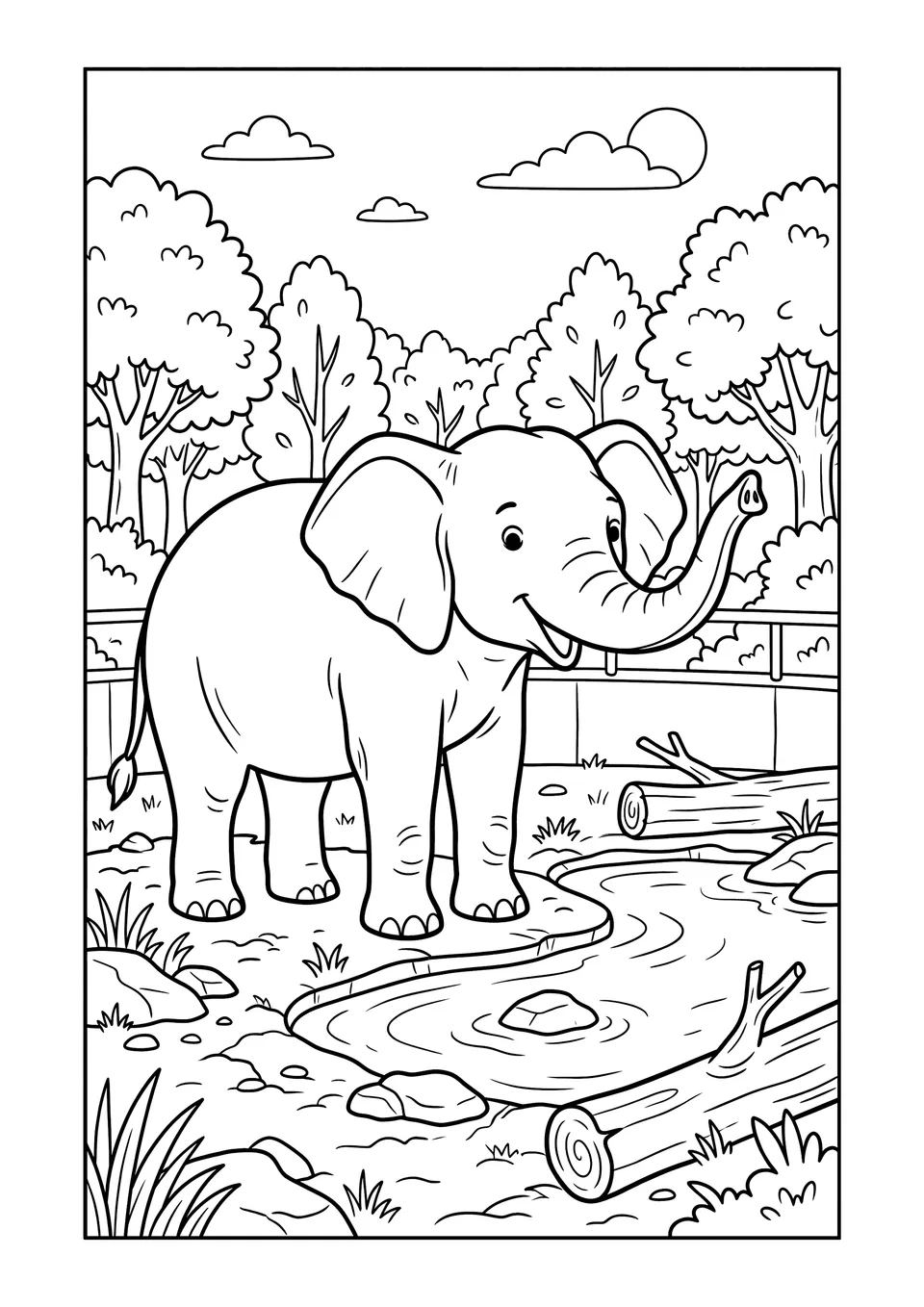
Explore the world of wildlife conservation with this elephant coloring page and informative reading passage about how modern zoos care for these magnificent giants.
PDF · Your plan’s download limits apply
Elephants are the largest land animals on Earth, and seeing one in person is an unforgettable experience. In modern zoos, caring for these massive mammals is a big job that requires science, creativity, and a lot of space. Today’s zoos work hard to make sure their elephants are healthy, happy, and mentally active.
One of the most important parts of an elephant’s life in a zoo is its habitat. In the past, elephants were often kept in small, concrete enclosures. However, modern zoos build large, naturalistic environments that mimic the African or Asian wilderness. These habitats often include soft sand to protect their sensitive feet, large ponds for bathing, and plenty of room to roam. Elephants are known to walk many miles a day in the wild, so keepers encourage movement by placing food in different spots throughout the enclosure.
Feeding an elephant is no small feat. An adult elephant can eat hundreds of pounds of food every day! Their diet mainly consists of hay, vegetables, and special pellets filled with vitamins. To keep the elephants from getting bored, zookeepers use "enrichment" activities. They might hide treats inside a hanging barrel or bury fruit under a pile of logs. This forces the elephant to use its powerful trunk and clever brain to find its meal, just like it would in the wild.
Elephants are also very social creatures. In the wild, they live in close-knit family groups. Because of this, zoos try to keep elephants in small herds so they can interact and play. They communicate using deep rumbles that humans sometimes cannot even hear. Beyond social time, elephants receive daily health check-ups from veterinarians. These experts check the elephants' tusks, skin, and trunks to ensure they stay in tip-top shape. Through these efforts, zoos help people learn about elephant conservation and the importance of protecting these gentle giants for the future.
Why do modern zoos provide elephants with very large habitats?
How have elephant enclosures in zoos changed from the past to the present?
Why do keepers use soft sand in the elephant habitats?
What is the reason behind keepers placing food in many different spots throughout the enclosure?
Roughly how much food does an adult elephant consume in a single day?
What are some examples of enrichment activities used for elephants?
Why is it important for elephants to live in small herds within a zoo?
How do elephants communicate with one another using sound?
What specific body parts do veterinarians examine during daily check-ups?
What is one of the main goals zoos have for teaching visitors about elephants?
More ways to practice with this story — every sheet is built from the text itself, answer key included where it counts.
One PDF with a cover, a contents page and every answer key at the back — color the page in, then keep going on paper.
Sentences from the passage with the capitals and punctuation removed — rewrite each one correctly.
Match the passage words to their meanings, then fill the missing words back into real sentences.
Two writing tasks that build on the passage, with plenty of lines to write on.
This printable coloring page features a majestic elephant in a naturalistic habitat, designed to spark curiosity about the world's largest land animals. Paired with our informative reading passage, 'Life Among the Giants: Elephants in Modern Zoos,' this resource is perfect for upper elementary students to practice reading comprehension while enjoying a creative activity.
Our download coloring page helps children visualize the concepts of animal enrichment and habitat design discussed in the text. Whether used in the classroom or as a fun at-home project, these sheets offer a great way to combine art with science. The simple black outlines provide plenty of space for kids to add their own artistic flair while learning about how zookeepers keep elephants healthy and active.
Use this educational resource to support your curriculum on animal behavior and conservation. The included text and coloring sheet are ideal for creating a comprehensive lesson plan that includes vocabulary building, group discussion, and hands-on creativity.