
The Brain Benefits of Music

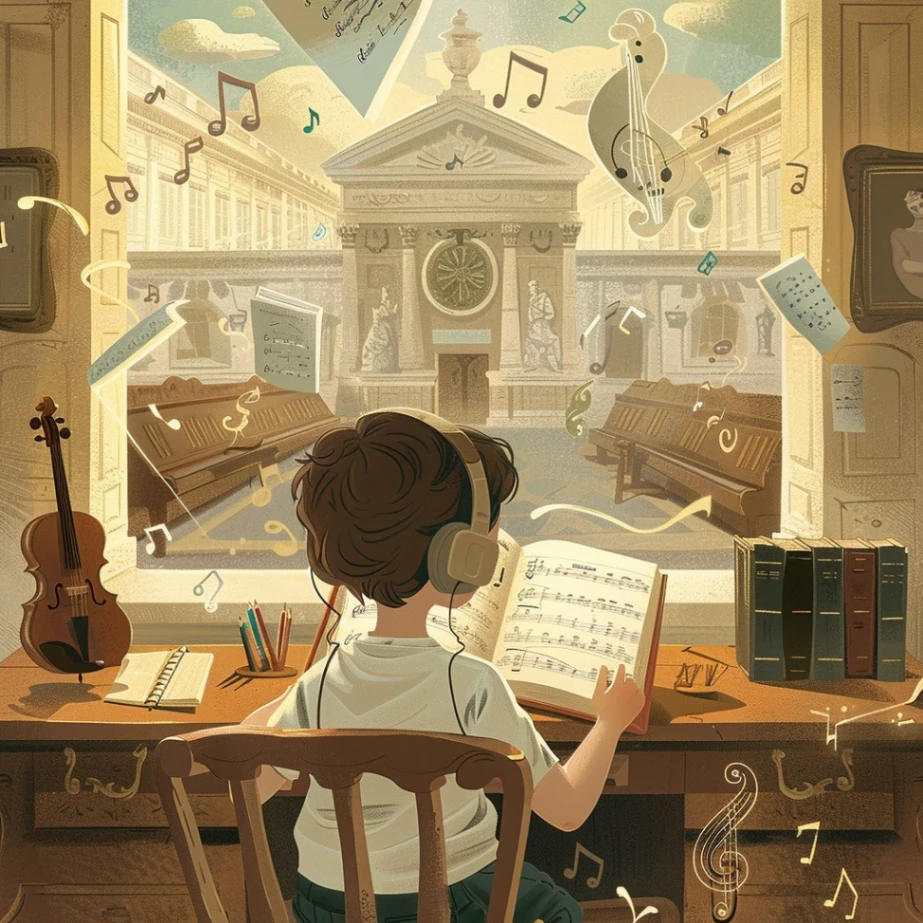
The Brain Benefits of Music
Have you ever wondered why listening to your favorite song can instantly lift your mood? Or why learning to play an instrument can feel so rewarding? The answer lies in the incredible ways music interacts with your brain.
Music and Memory
Music has a powerful connection to our memories. Think about a song that reminds you of a special event or a person you care about. This happens because music activates several areas of the brain, including the hippocampus, which is crucial for forming and retrieving memories. When you hear a familiar tune, it can trigger vivid memories and emotions associated with that song.
Music and Mood
Listening to music can have a significant impact on your mood. Upbeat music can make you feel energized and happy, while slower, more calming music can help you relax and reduce stress. This is because music influences the release of certain neurotransmitters, like dopamine (the "feel-good" chemical) and serotonin (which regulates mood).
Music and Learning
- Hippocampus:
- Brain area for forming and storing memories.
- Neurotransmitters:
- Chemicals in the brain that transmit signals.
- Cognitive Function:
- Brain processes involving memory, attention, and thinking.
- Neural Connections:
- Links between brain cells that allow communication.
- retrieving:
- Finding and bringing back stored information or memories into conscious thought.
- simultaneously:
- Happening, existing, or being done at the exact same time.
- improvising:
- Creating and performing music spontaneously on the spot without planning or reading written notes beforehand.
One passage, many ways to practice
Reading-skill questions, word work and writing prompts — all built from this text.
Main Idea
Identify the central idea and explain how important details develop it.
Context Clues
Use clues in the passage to work out what words mean. A separate printable Vocabulary worksheet is also available.
Summarize
Select, organize, and restate the most important information without adding opinion.
Structure
Analyze how sections and organizational choices build the text's ideas or effects.
Writing Prompts
Use the passage as a springboard for short written responses, from personal reflection to evidence-based arguments.
Fix the Sentence
Practice editing sentences drawn from this passage with a printable worksheet.

Ready to use this passage in class?
Start free with the Mixed worksheet and 3 PDF downloads each week. Focused skill sets depend on plan.
Preview questions from this passageShowHide
- 1How does music affect your mood?
- 2Which part of the brain is essential for forming and retrieving memories, and how does music interact with it?
Where this passage belongs
You Might Also Like


About this informational passage for Middle School
“The Brain Benefits of Music” is a informational reading passage about Music and Brain, written for Middle School. It takes about 3 minutes to read (379 words) and comes with an interactive quiz and a printable worksheet with comprehension questions and an answer key.