June reading calendar
Keep June reading connected to the world with special dates, stories, and questions to explore.
Finding reading ideas for this month…
Keep June reading connected to the world with special dates, stories, and questions to explore.
Finding reading ideas for this month…
Start summer reading with June passages about oceans, habitats, and Juneteenth. Use a date to plan one short reading or a longer sequence.

June 5, 2026
The UN-led World Environment Day on June 5 invites reading about ecosystems and stewardship without assuming an unannounced annual theme.
View June 5 reading →

June 8, 2026
The UN’s World Oceans Day falls on June 8. These selected resources offer ocean-life and conservation reading without implying that one day’s choices cover every ocean topic.
View June 8 reading →

June 19, 2026
Juneteenth marks the June 19, 1865 announcement of General Order No. 3 in Galveston, Texas, more than two years after the Emancipation Proclamation; freedom's limits and enforcement remain central context.
View June 19 reading →

June 21, 2026
U.S. Father’s Day falls on the third Sunday in June. Read the family stories with the option to discuss a trusted caregiver or a fictional family.
View June 21 reading →

June 16, 2026
World Sea Turtle Day and Archie Carr's June 16 birthday provide a conservation connection supported by selected sea turtle readings.
View June 16 reading →

June 30, 2026
International Asteroid Day falls on June 30; NASA dates the 1908 Tunguska explosion to June 30. The readings distinguish that event from other meteor-related observances.
View June 30 reading →
Collections, themes, and maps to explore with your students.
Reading collection
Explore summer reading ideas for classroom wrap-up and reading at home. School vacation dates vary.
Open collection →
Reading collection
Explore stories about fathers, caregivers and family appreciation around U.S. Father’s Day.
Open collection →
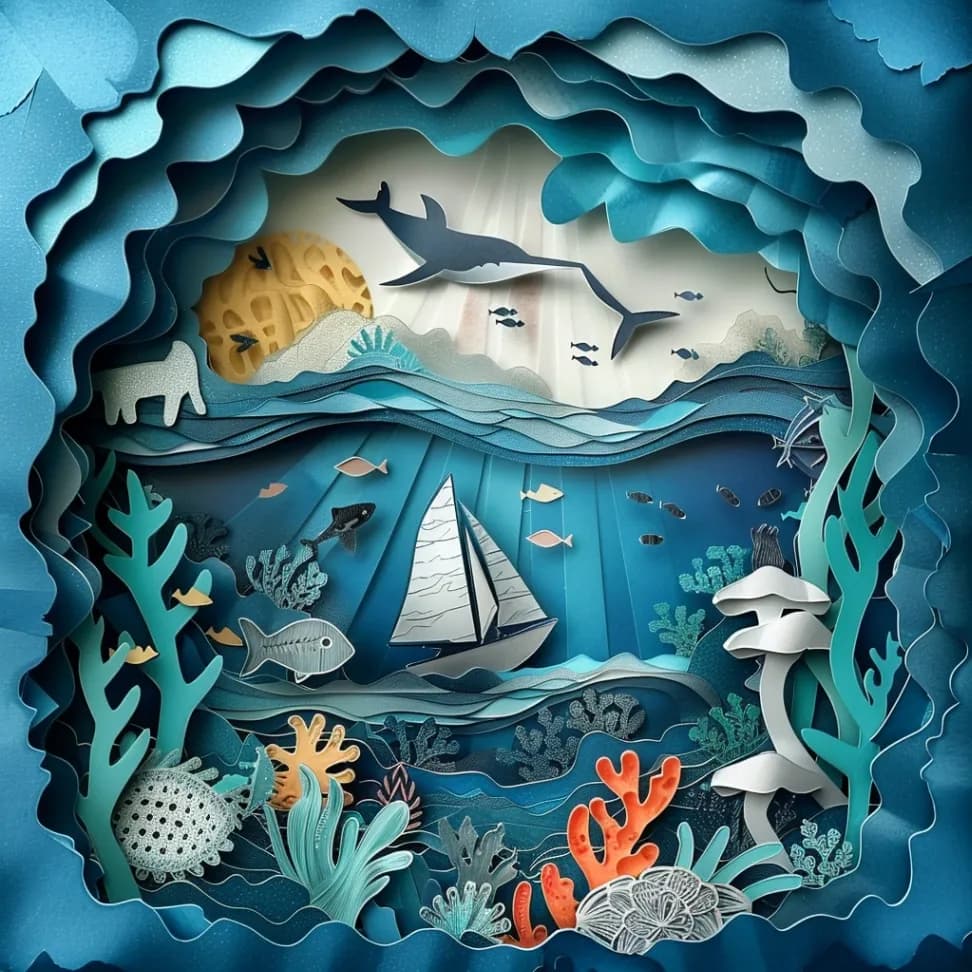
June is a good time to choose a reading routine readers can carry into summer. One short text and a question can fit a busy school day, camp session, or family read-aloud. If a subject keeps coming up in conversation, use a second date or a collection to keep exploring it.
Open World Oceans Day on June 8, then follow up with the sea turtle readings on June 16. Ask readers what an animal needs to survive and what detail from each passage helps them answer. Put the two details side by side to see what each reading adds.
Use the June 19 readings to trace the events a passage describes. Have readers put two or three events in order, then choose a detail that helps explain why the date matters. Use the timeline as a starting point for discussion or a short written response.
Offer two ways to respond to a June reading: draw and label an idea, or tell someone what you learned and point to a line that supports it. Let readers choose the subject for their next reading. The Summer Reading collection offers a place to look when a date has sparked a question.
Before the break, invite readers to choose a June topic they would like to keep exploring. Send home the date or collection link with one question to get them started. In a family read-aloud, an adult and a child can take turns naming a detail and asking what it helps explain.
Reading collection
Explore ocean habitats and conservation throughout June Ocean Month.
Open collection →