Grade 2
Biography
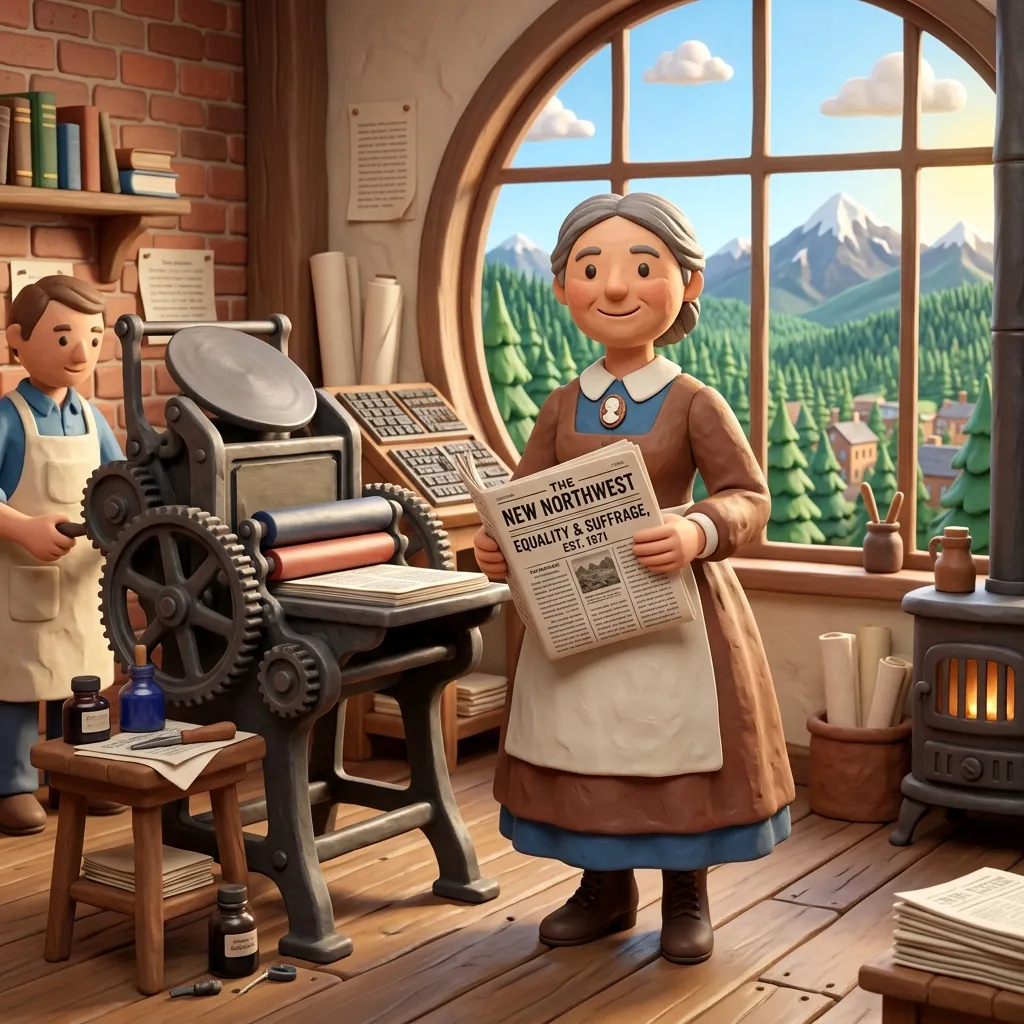
Gwendolyn Brooks and Her Neighborhood
Connects Brooks’s life with Chicago neighborhood context, fitting a birthday reading about place and poetry.
Read passageFinding reading ideas for this date…
June 7 brings Gwendolyn Brooks’s birthday, World Food Safety Day and the anniversary of Homer Plessy’s planned challenge to segregation.
On this date in history · 1917
Gwendolyn Brooks was born June 7, 1917; read how place and everyday life can become subjects for poetry.
3 reading resources
Connects Brooks’s life with Chicago neighborhood context, fitting a birthday reading about place and poetry.
Read passageProfiles Whitman as a comparison in writing about everyday life; his May 31 birthday remains separate.
Read passageOffers a general method for reading historical poetry and prose, not Brooks-specific poem analysis.
Read passageSpecial date
World Food Safety Day on June 7 supports reading about kitchen work, storage and food systems, without treating passages as a safety manual.
3 reading resources
Shows school-kitchen work before lunch, supporting discussion of preparation and teamwork without becoming a safety manual.
Read passageUses a chef interview to discuss kitchen work and food storage as practical reading context.
Read passageExplains mobile refrigeration and the cold chain, adding transport context to the food-safety topic.
Read passageOn this date in history · 1892
On June 7, 1892, Homer Plessy joined a planned challenge to Louisiana’s segregated-car law; trace the case without collapsing later comparisons.
3 reading resources
Offers optional civil-rights and reform readings; select members carefully to avoid conflating distinct events.
Open collectionExplains Plessy’s planned 1892 test case and its legal context, directly supporting the date-specific history.
Read passageDramatizes the later Greensboro sit-ins as a comparison; its dialogue is not a primary-source quotation.
Read passageAlready shown above: Unlocking History: A Guide to Reading Historical Prose and Poetry.
More reading for this time of year, alongside today’s special dates.
5 reading resources
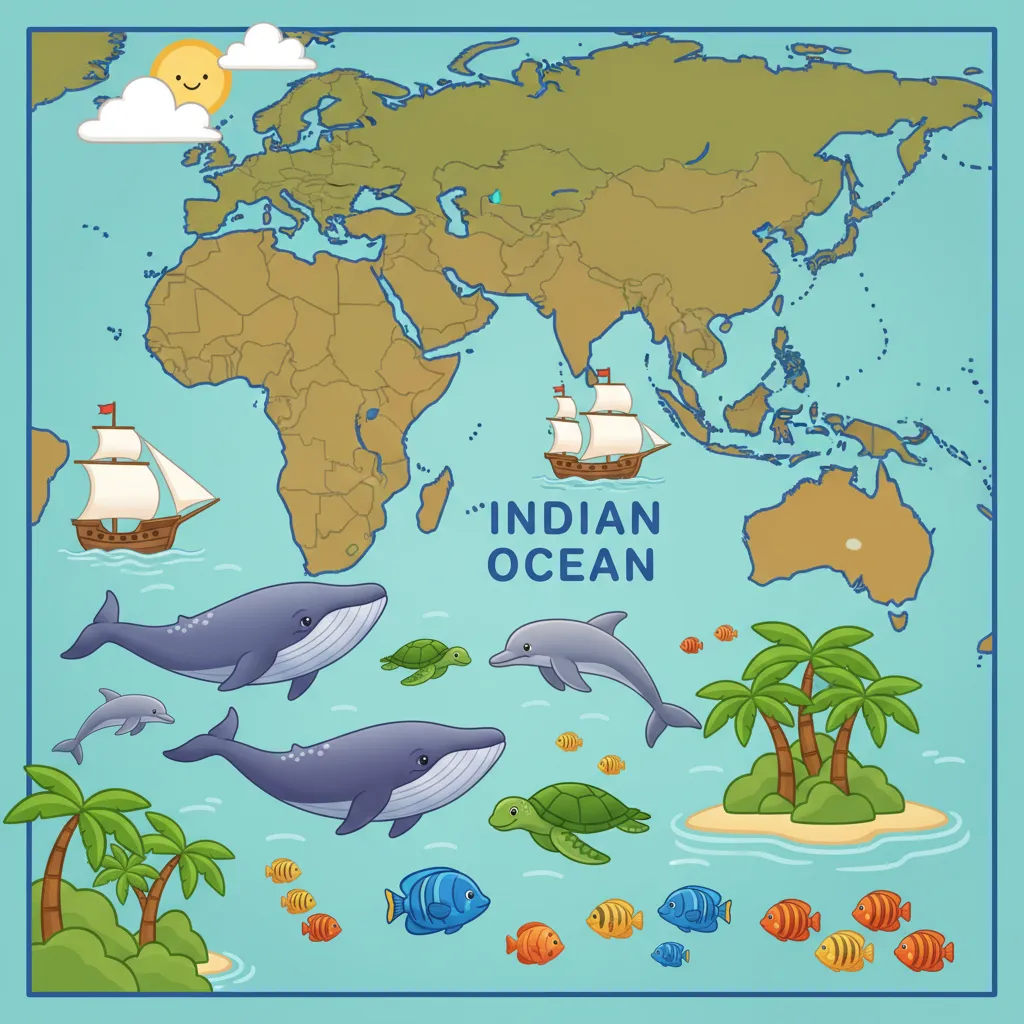
Continue June ocean learning with reading about marine animals.
Explore themeExplore nature and outdoor learning during June’s Great Outdoors Month.
Open collectionExplore ocean habitats and conservation throughout June Ocean Month.
Open collectionExplore stories about fathers, caregivers and family appreciation around U.S. Father’s Day.
Open collectionExplore summer reading ideas for classroom wrap-up and reading at home. School vacation dates vary.
Open collectionYour topic. Your level.
Have another idea for today’s lesson? Let Pico create an AI-assisted passage with questions and an illustration. Choose the topic and reading level in the creator.
June 7 connects poet Gwendolyn Brooks’s birthday, World Food Safety Day and the anniversary of Homer Plessy’s planned challenge to Louisiana’s segregated-car law. Choose one topic for a focused lesson, since the readings have different audiences and purposes.
Gwendolyn Brooks and Her Neighborhood supports observation and writing about everyday life. Walt Whitman: The Poet of the Everyday offers a comparison with a different poet; it does not move Whitman’s birthday to June 7. Unlocking History: A Guide to Reading Historical Prose and Poetry gives a general strategy, not Brooks-specific poem analysis. Students can record one observed detail and discuss how a writer might shape it into a scene.
For food reading, A Morning in the School Kitchen and Behind the Cafeteria Counter: A Conversation with Chef Marcus support discussion of preparation and teamwork. Keeping It Cool: The Life of Frederick McKinley Jones adds cold-chain context; these are readings, not a complete safety manual. The Planned Protest of Homer Plessy explains the date-specific case, while Taking a Stand by Sitting Down: The Greensboro Sit-Ins offers a later comparison. Keep their settings and events distinct. Ask learners to quote or paraphrase one detail, name the text that supplied it and explain how the detail supports the topic connection.
How does knowing a text’s purpose and setting change the way you read it?