
fix the sentence
Sentences from the passage with the capitals and punctuation removed — rewrite each one correctly.
Web preview · Open larger preview (opens in a new tab)
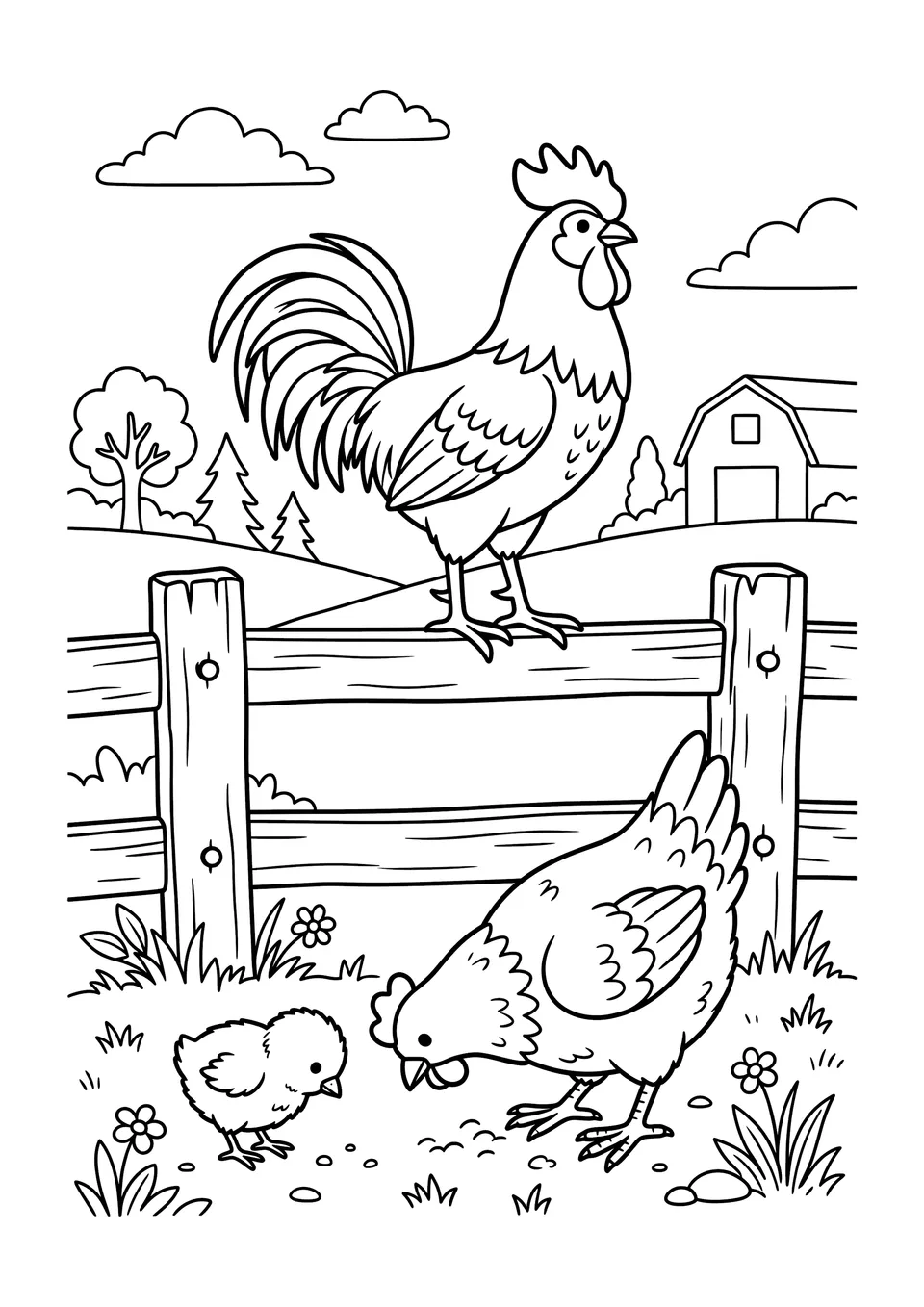
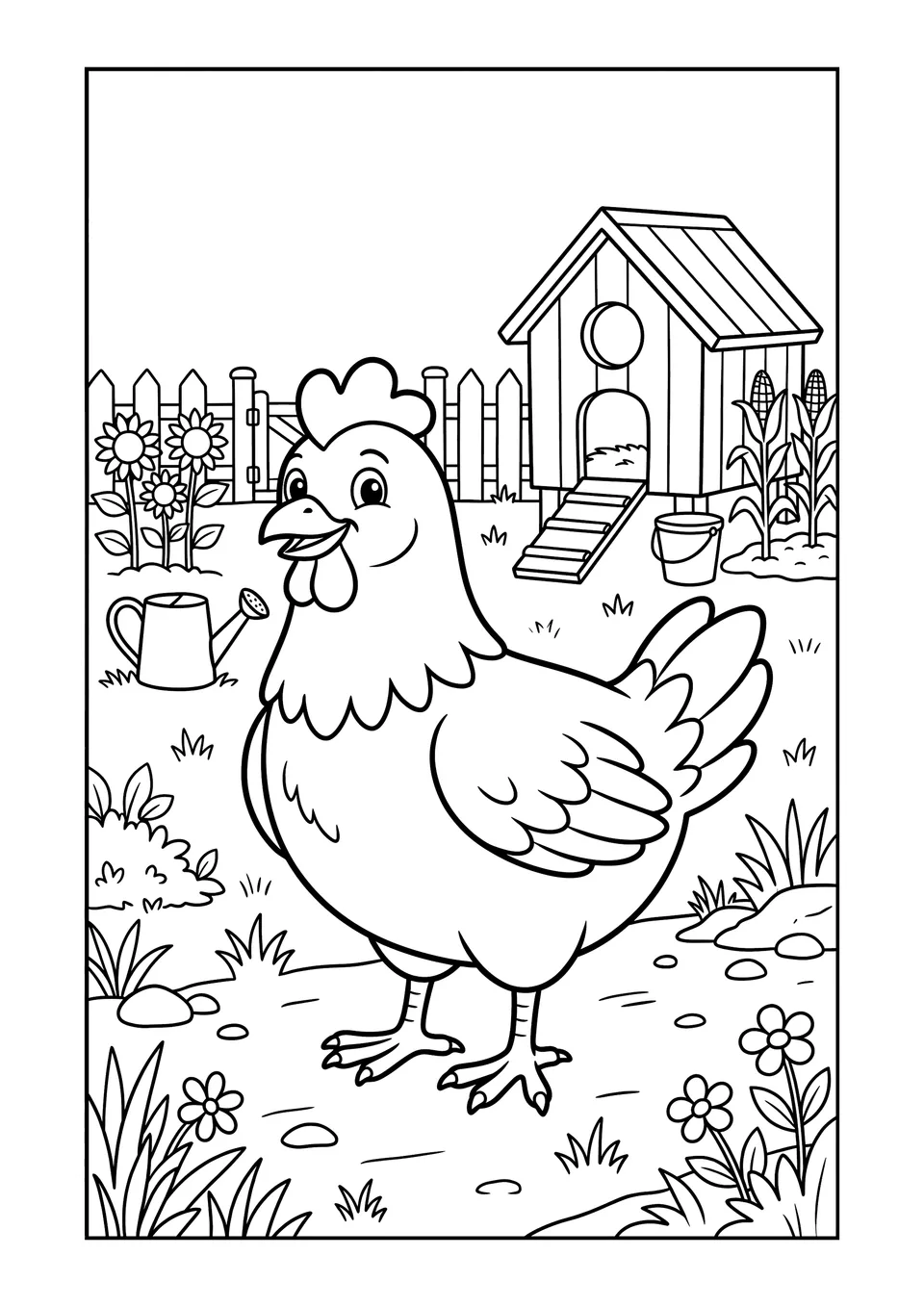
Learn all about these feathered friends with our free chicken coloring page and reading passage. It is a great way for 2nd grade students to practice their reading skills while staying creative.
PDF · Your plan’s download limits apply
Chickens are very common birds that live all over the world. Many chickens live on farms where people take care of them. They have feathers to keep them warm and wings to help them jump. Even though they have wings, chickens cannot fly very high or very far. They mostly stay on the ground to look for food.
Every chicken has a sharp beak to help it eat. They also have a red part on top of their head called a comb. On their chin, they have a red part called a wattle. These red parts help the chicken stay cool on hot days. They have strong legs with four toes on each foot. Their feet have sharp claws that help them dig in the dirt.
On the farm, chickens spend most of the day looking for food. They like to eat seeds, grain, and even small bugs. They use their feet to scratch at the soil to find yummy snacks. At night, they go inside a safe house called a coop. This protects them from other animals while they sleep.
A female chicken is called a hen. A male chicken is called a rooster. Hens lay eggs in soft nests made of straw. Some eggs are white and some are brown. If a hen sits on her eggs to keep them warm, a tiny chick might hatch. Baby chicks are very soft and fuzzy when they are first born.
Chickens are very noisy animals. Roosters are famous for making a loud sound early in the morning. They say a loud call to wake everyone up. Hens make a clucking sound as they move around the yard. Small chicks make a high sound called a peep. They use these sounds to talk to each other every day.
What helps keep a chicken warm?
Why don't chickens fly high or far even though they have wings?
Where is the wattle located on a chicken?
How do the red parts on a chicken's head help it during the summer?
What do chickens use to dig in the dirt to find food?
What three things mentioned in the text do chickens like to eat?
What is the name of the house where chickens sleep at night?
What is the difference between a hen and a rooster?
What does a hen need to do for a tiny chick to hatch?
What specific sound does a baby chick make to talk?
More ways to practice with this story — every sheet is built from the text itself, answer key included where it counts.
One PDF with a cover, a contents page and every answer key at the back — color the page in, then keep going on paper.
Sentences from the passage with the capitals and punctuation removed — rewrite each one correctly.
Match the passage words to their meanings, then fill the missing words back into real sentences.
Two writing tasks that build on the passage, with plenty of lines to write on.
This printable chicken coloring page is designed specifically for elementary school students. By combining a clear, easy-to-color image with an informative text, children can learn about the different parts of a chicken, such as the comb and wattle, while developing their fine motor skills. It is an ideal resource for teachers looking for farm-themed classroom materials or parents who want to supplement their child's reading practice at home.
Our free download focuses on the life of chickens on the farm, covering everything from the sounds they make to where they sleep at night. Each section of the reading passage is tailored for Grade 2 learners, making it a perfect tool for building vocabulary and comprehension. Use these pages for a quiet afternoon activity or as part of a larger lesson plan on agriculture and biology.