
fix the sentence
Sentences from the passage with the capitals and punctuation removed — rewrite each one correctly.
Web preview · Open larger preview (opens in a new tab)
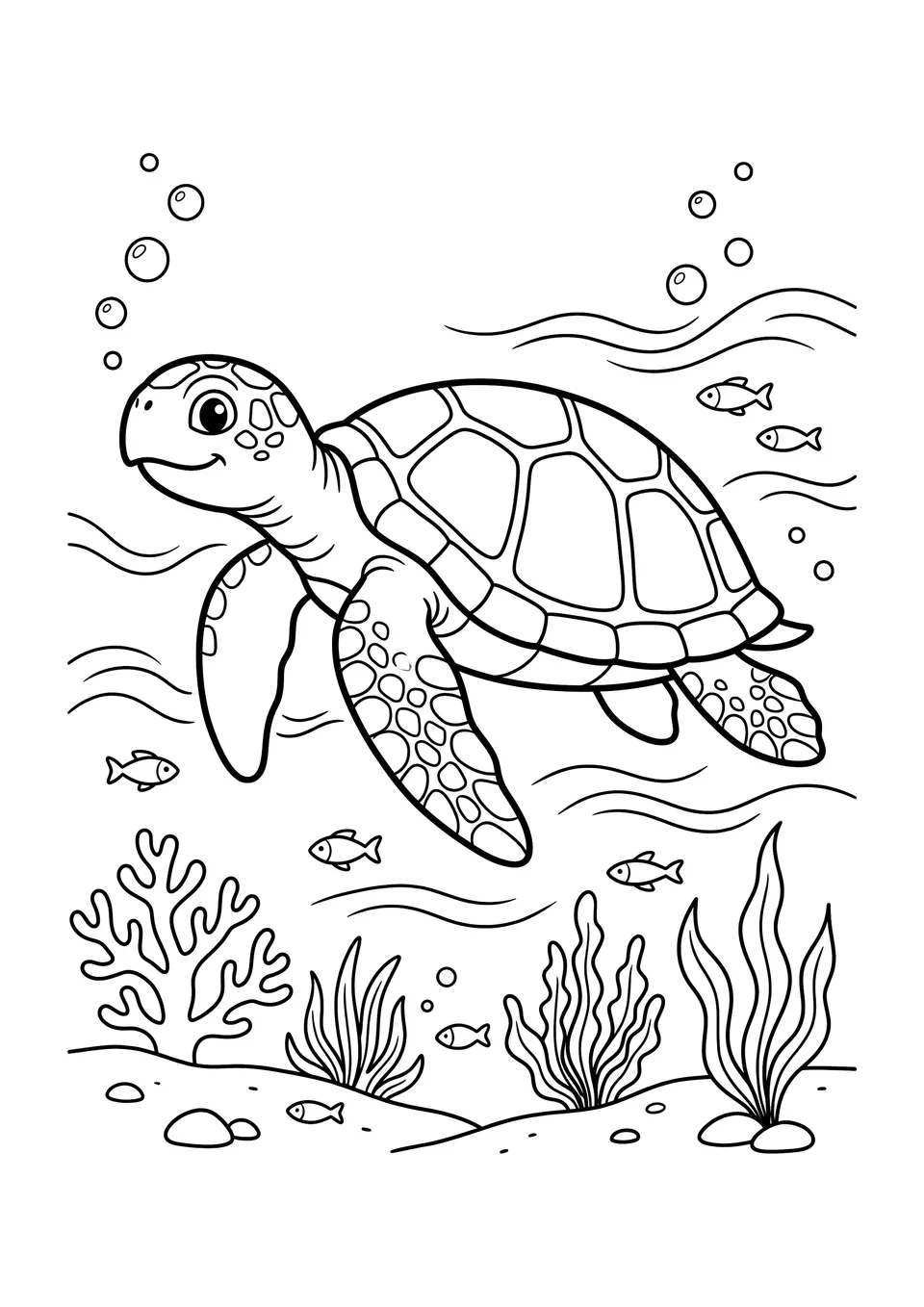
Explore the life of sea turtles with this free printable coloring page and informative reading passage for kids.
PDF · Your plan’s download limits apply
Sea turtles are some of the oldest creatures on Earth. These amazing reptiles have been swimming in our oceans for over 100 million years, which means they shared the planet with dinosaurs! Unlike land turtles, sea turtles cannot pull their heads or flippers inside their shells. Their bodies are perfectly built for life in the water, featuring long, paddle-like flippers that help them glide gracefully through the ocean waves.
There are seven different species of sea turtles found throughout the world's oceans. Each species is unique in its own way. The Leatherback is the largest, growing up to seven feet long and weighing as much as a small car. Other species, like the Green sea turtle, are named for the color of their body fat, which comes from eating a diet of seagrass and algae. Some sea turtles, like the Loggerhead, have very strong jaws that they use to crush the hard shells of crabs and clams.
A sea turtle's life begins on a sandy beach. Even though they spend most of their lives in the water, female turtles must come onto land to lay their eggs. Remarkably, they often travel thousands of miles back to the exact same beach where they were born. After digging a hole in the sand and laying about 100 eggs, the mother turtle returns to the sea. About two months later, the tiny hatchlings break out of their shells and must quickly crawl across the sand to the ocean. This journey is dangerous because many predators, like birds and crabs, try to catch the small turtles before they reach the safety of the water.
Today, sea turtles face many challenges. They are threatened by plastic pollution, as they sometimes mistake floating plastic bags for jellyfish, one of their favorite foods. Many people and organizations are working hard to protect these gentle giants. By keeping beaches clean and reducing ocean waste, humans can help ensure that sea turtles continue to swim in our oceans for many more years to come.
How long have sea turtles been swimming in the world's oceans?
What is one physical characteristic that makes sea turtles different from land turtles?
Why is the Green sea turtle named after a specific color?
Which species of sea turtle is the largest, and how much can it weigh?
What do Loggerhead turtles typically eat, and how do they eat it?
Where do female sea turtles go when it is time for them to lay their eggs?
Approximately how many eggs does a mother sea turtle lay in a single nest?
What are some of the dangers that tiny hatchlings face after they break out of their shells?
Why is plastic pollution in the ocean specifically dangerous for sea turtles?
What are two things humans can do to help ensure the survival of sea turtles?
More ways to practice with this story — every sheet is built from the text itself, answer key included where it counts.
One PDF with a cover, a contents page and every answer key at the back — color the page in, then keep going on paper.
Sentences from the passage with the capitals and punctuation removed — rewrite each one correctly.
Match the passage words to their meanings, then fill the missing words back into real sentences.
Two writing tasks that build on the passage, with plenty of lines to write on.
This sea turtle coloring page is a fantastic resource for upper elementary students to learn about marine biology. The accompanying text, Ancient Travelers of the Deep, offers insights into the life cycles, habitats, and conservation of these ancient reptiles. Using these materials together helps students build reading comprehension skills while engaging in a creative art project.
Parents and teachers can use this printable for classroom science units, ocean-themed lessons, or at-home activities. The clear black outlines and open spaces make it easy for children to color while they learn about the challenges sea turtles face, such as plastic pollution.
Download and print this free resource to help children connect with nature and understand the importance of protecting our oceans.