
Pipkin's Clever Escape

Pipkin's Clever Escape
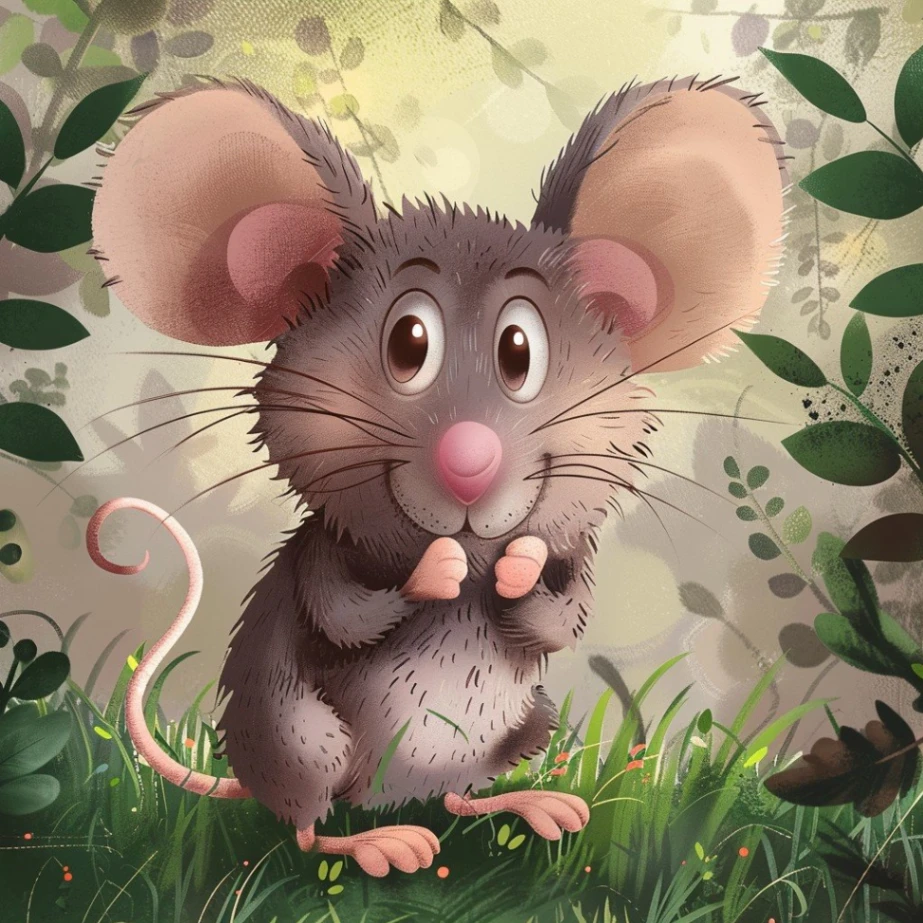
In a cozy burrow beneath the old oak tree, lived a small mouse named Pipkin. Pipkin wasn't just any mouse; he was known throughout the meadow for his quick thinking and clever ideas. His ears were extra-large, perfect for hearing even the faintest whispers of danger, and his nose twitched with curiosity.
One sunny afternoon, a sneaky cat named Jasper arrived in the meadow. Jasper loved chasing mice, and soon, he spotted Pipkin. "Meow!" Jasper hissed, his eyes gleaming with mischief. Pipkin knew he had to think fast!
Pipkin darted into an old, rusty watering can. He knew Jasper couldn't reach him in there. But Pipkin didn't want to stay inside forever. He needed a plan to get away. Looking around, Pipkin spotted a small hole near the bottom of the can.
Thinking quickly, Pipkin gathered some pebbles and started dropping them into the watering can. One by one, the pebbles PLINKED into the can. The sound grew louder and louder. Jasper, who was waiting patiently outside, became curious about the strange noise.
"What's going on in there?" Jasper wondered. He peeked inside the watering can, trying to see what was making all the racket.
- Burrow:
- A hole or tunnel dug by an animal for shelter.
- Mischief:
- Playful misbehavior or troublemaking.
- racket:
- A lot of loud, confusing noise.
- scurried:
- Moved very quickly with small, fast steps.
- startled:
- Suddenly surprised or shocked by something unexpected.
- outsmarted:
- Gained an advantage over someone by using cleverness or quick thinking.
One passage, many ways to practice
Reading-skill questions, word work and writing prompts — all built from this text.
Main Idea
Identify the central idea and explain how important details develop it.
Context Clues
Use clues in the passage to work out what words mean. A separate printable Vocabulary worksheet is also available.
Summarize
Select, organize, and restate the most important information without adding opinion.
Purpose
Analyze what the author aims to do and how choices serve audience and purpose.
Structure
Analyze how sections and organizational choices build the text's ideas or effects.
Language & Tone
Interpret nonliteral language and analyze how word choice shapes tone and meaning.
Vocabulary
Practice words from the passage with a printable worksheet.
Writing Prompts
Use the passage as a springboard for short written responses, from personal reflection to evidence-based arguments.
Fix the Sentence
Practice editing sentences drawn from this passage with a printable worksheet.

Ready to use this passage in class?
Start free with the Mixed worksheet and 3 PDF downloads each week. Focused skill sets depend on plan.
Preview questions from this passageShowHide
- 1Where does Pipkin live?
- 2Who is Jasper?
Where this passage belongs
You Might Also Like


About this fiction passage for Upper Elementary
“Pipkin's Clever Escape” is a fiction reading passage about Problem Solving, written for Upper Elementary. It takes about 2 minutes to read (319 words) and comes with an interactive quiz and a printable worksheet with comprehension questions and an answer key.