The Curious Cat and the Dancing Lanterns

PicoBuddyMiddle SchoolFiction2 min read353 words
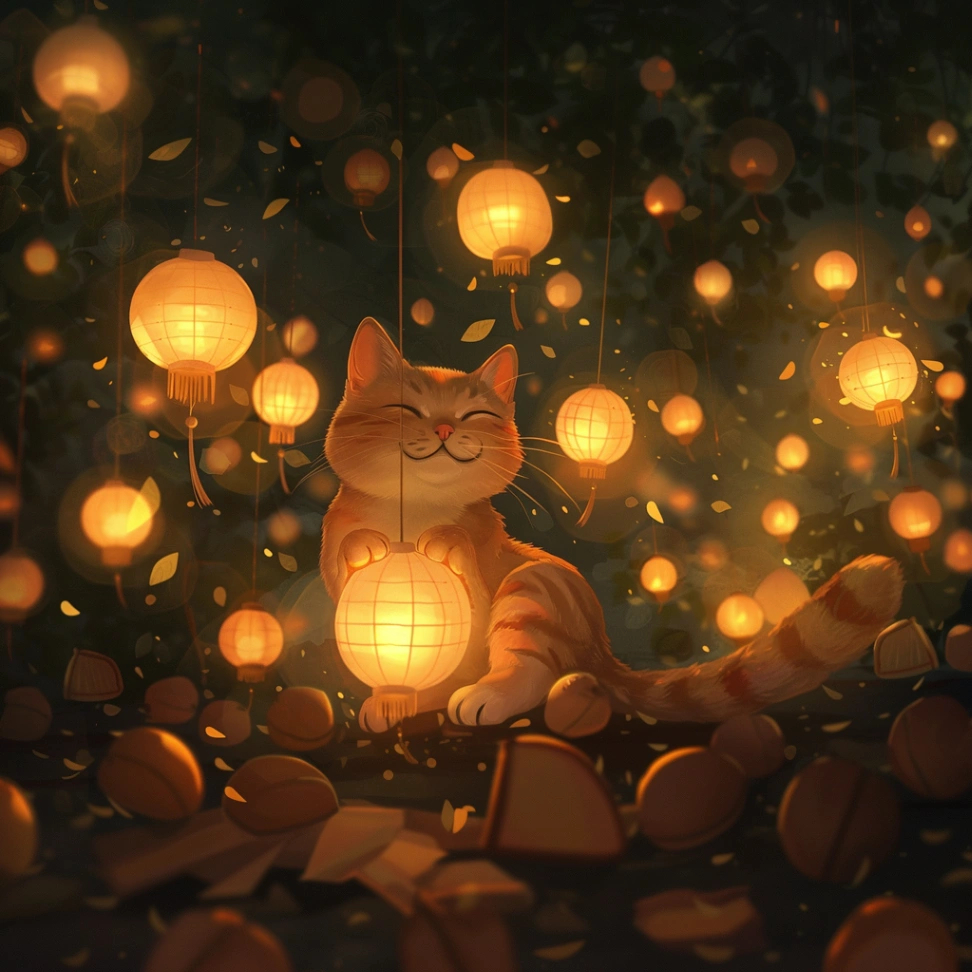
Image for The Curious Cat and the Dancing Lanterns

Once upon a time, nestled in a valley where fireflies danced, lived a ginger cat named Oliver. Unlike the other cats in his village, Oliver wasn’t interested in chasing mice or napping in sunbeams. His passion was chasing lanterns. Not just any lanterns, mind you, but the enchanted lanterns that appeared only during the annual Summer Solstice Festival.

Each summer, as the sky turned a deep indigo, villagers would release hundreds of paper lanterns into the night sky. These weren't ordinary lanterns; they held whispers of dreams, hopes, and memories. Oliver believed that if he could catch one, even for a moment, he'd understand the deepest secrets of the valley.

The Chase Begins

Year after year, Oliver tried to catch the lanterns. He’d leap from rooftops, climb the tallest trees, and even attempt to bat them down with his paws. But the lanterns, as if aware of his intentions, always floated just out of his reach. The other cats chuckled, calling him “Oliver the Lantern Chaser,” but Oliver never gave up.

Glossary
Solstice:
Either of the two times in the year when the sun reaches its highest or lowest point in the sky, marking the longest and shortest days.
Enchanted:
Filled with magic; having a magical quality.
Solitary:
Existing alone; single.
nestled:
Settled comfortably into a cozy or sheltered place.
indigo:
A dark, rich blue color that lies between blue and violet.
intentions:
Plans or goals that someone aims to carry out.
brilliance:
A quality of intense brightness or vivid light.

One passage, many ways to practice

Reading-skill questions, word work and writing prompts — all built from this text.

Also available in other languages.
  • Main Idea

    Identify the central idea and explain how important details develop it.

  • Context Clues

    Use clues in the passage to work out what words mean. A separate printable Vocabulary worksheet is also available.

  • Summarize

    Select, organize, and restate the most important information without adding opinion.

  • Purpose

    Analyze what the author aims to do and how choices serve audience and purpose.

  • Structure

    Analyze how sections and organizational choices build the text's ideas or effects.

  • Language & Tone

    Interpret nonliteral language and analyze how word choice shapes tone and meaning.

  • Vocabulary

    Practice words from the passage with a printable worksheet.

  • Writing Prompts

    Use the passage as a springboard for short written responses, from personal reflection to evidence-based arguments.

  • Fix the Sentence

    Practice editing sentences drawn from this passage with a printable worksheet.

Ready to use this passage in class?

Start free with the Mixed worksheet and 3 PDF downloads each week. Focused skill sets depend on plan.

Sign up with emailLog in

Preview questions from this passageShow
  1. 1What was Oliver's unique interest compared to other cats?
  2. 2What event made the enchanted lanterns appear?

Where this passage belongs

You Might Also Like

About this fiction passage for Middle School

“The Curious Cat and the Dancing Lanterns” is a fiction reading passage about Magical Realism, written for Middle School. It takes about 2 minutes to read (353 words) and comes with an interactive quiz and a printable worksheet with comprehension questions and an answer key.

Is this passage free?

Yes. With a free account, you can read “The Curious Cat and the Dancing Lanterns” online and download a printable PDF worksheet with comprehension questions and an answer key.

What reading level is “The Curious Cat and the Dancing Lanterns”?

It’s written for Middle School — a fiction text about Magical Realism, about a 2-minute read (353 words).

What’s included with this passage?

An illustrated reading passage, a glossary of key terms, comprehension questions with an answer key, and an interactive quiz.

Can I adapt it for my students?

Yes. Remix is included with Pro and Max for adapting it to another grade level or language.