
National Preparedness Month: A Practical Homeschool Reading Mini-Unit
Turn National Preparedness Month into a calm homeschool reading mini-unit: use one trustworthy text, practice sequencing and source awareness, then complete one adult-led family check.
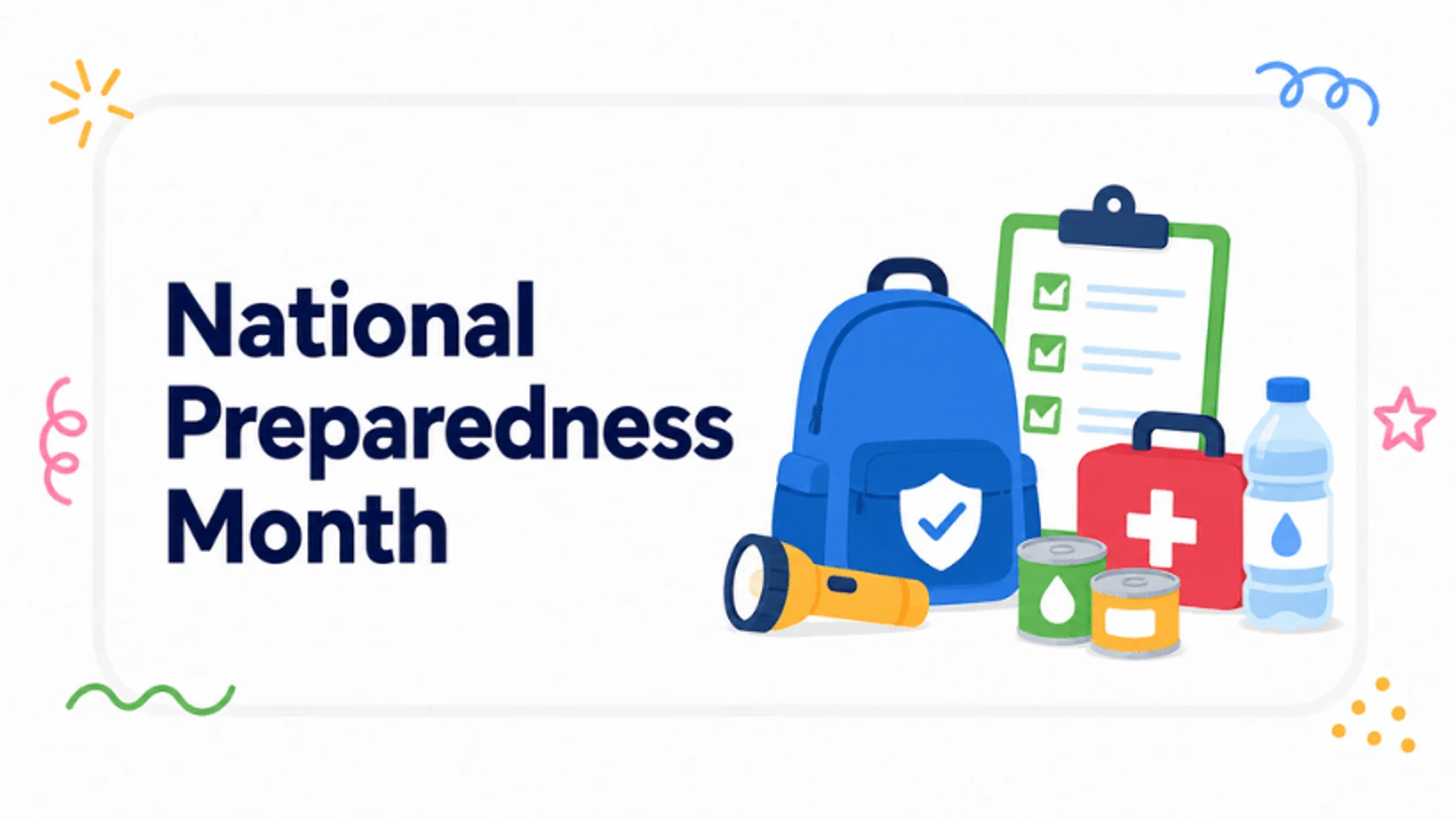
September is National Preparedness Month. For homeschool families, it can be more than a reminder to check supplies. It can also become a calm, useful reading lesson built around real-world information, sequencing, vocabulary, and one small adult-led action.
The goal is not to teach a child to manage an emergency. Adults remain responsible for family safety decisions. The learning goal is to help a child read practical information carefully, explain what it means, and see how trustworthy information can support a real family routine.
Start with the right source
Preparedness information can change by location and type of emergency, so begin with a current official source. Ready.gov provides national guidance, while state and local emergency-management agencies provide instructions for the risks in your area. Ready Kids also offers resources designed for children, teens, families, and educators.
Choose one short text for the lesson. Older readers can begin with PicoBuddy's middle school passage Ready for the Unexpected: The Science and Strategy of Emergency Preparedness.
Step 1: Preview the purpose and vocabulary
Before reading, tell your child exactly what the lesson is for: "We are going to read how families prepare, notice how the information is organized, and choose one thing for an adult to check afterward."
Preview three to five useful terms from the text. Depending on the source, these might include:
- hazard: something that can cause harm
- emergency alert: an official message about an immediate or possible danger
- communication plan: agreed information that helps family members reconnect
- evacuate: leave a place and move to a safer location when officials instruct you to do so
- supply kit: useful items gathered in advance for an emergency
Ask your child to predict which words will appear together. This turns vocabulary into part of understanding the text instead of a separate memorization task.

Step 2: Read for information, sequence, and responsibility
Read the text once for the main idea. Then reread the most practical section and sort details into three questions:
- What information does the text give?
- Why might that information matter?
- Who is responsible for acting on it?
The third question is especially important. A child might learn why contact information or a meeting place matters, but an adult chooses, verifies, and maintains the family plan.
For a child in grades 3–5, read the text aloud together and pause after each short section. For an older student, ask for a brief written summary with the most important idea and two supporting details.
Step 3: Connect the reading to your local context
Preparedness looks different in different places. A family may need to learn about severe storms, flooding, wildfire smoke, extreme heat, winter weather, earthquakes, or another local concern. Use your local emergency-management website to choose one relevant example instead of trying to cover every possible disaster.
Ask:
- Which part of this text applies where we live?
- Which detail is general, and which detail depends on local guidance?
- Where would we check whether this information is current?
- What should a child ask an adult rather than decide alone?
This comparison builds source awareness as well as reading comprehension.
Step 4: Finish with one adult-led family action
Choose one action that an adult can complete with the child observing or helping in an age-appropriate way. For example:
- check that important contact information is current;
- review the family's agreed meeting place;
- confirm where official local alerts come from;
- compare the household's existing supply list with current official guidance;
- identify where a trusted adult keeps the family plan.
Keep the action small. The lesson is successful when the child understands the reading and the family checks one useful detail. It does not need to become a full emergency drill, shopping trip, or frightening discussion.
A simple 40-minute homeschool plan
- 5 minutes: explain the purpose and preview key vocabulary.
- 12 minutes: read one short text.
- 8 minutes: identify the main idea, key details, and sequence.
- 10 minutes: compare one detail with current local guidance.
- 5 minutes: choose or complete one adult-led family check.
If your child needs another way to respond, use a short discussion, focused comprehension questions, a quiz, or a printable page according to the learning goal. These formats are different tools, not a measure of how serious the topic is.
Keep the tone calm and useful
Preparedness lessons should build confidence, not fear. Avoid graphic disaster details, long lists of worst-case scenarios, or language that suggests children are responsible for keeping the family safe. If a child has recently experienced an emergency or shows distress, pause the lesson and follow their needs.
Ready.gov notes that adults can help children by listening, correcting misunderstandings, discussing concrete safety plans calmly, and involving them in appropriate preparation. That same principle works well in homeschool: accurate information, a manageable task, and a trusted adult remain at the center.
Read first, then take one useful step
National Preparedness Month offers a strong real-world reason to practice informational and functional reading. Start with a trustworthy source, help your child organize what it says, connect one detail to your location, and end with one adult-led check.
Read PicoBuddy's emergency preparedness passage, or browse instruction reading passages for another practical reading lesson. Use current Ready.gov and local guidance for the family's actual safety decisions.
Frequently Asked Questions
Related Articles
Helping kids read better, together.
Like this article? Join 500+ educators using PicoBuddy to generate high-quality reading materials in seconds.