
How Can Parents Use Read Aloud Passages at Home?
Learn how parents can use read aloud passages at home to support comprehension, fluency, confidence, and calmer reading practice.
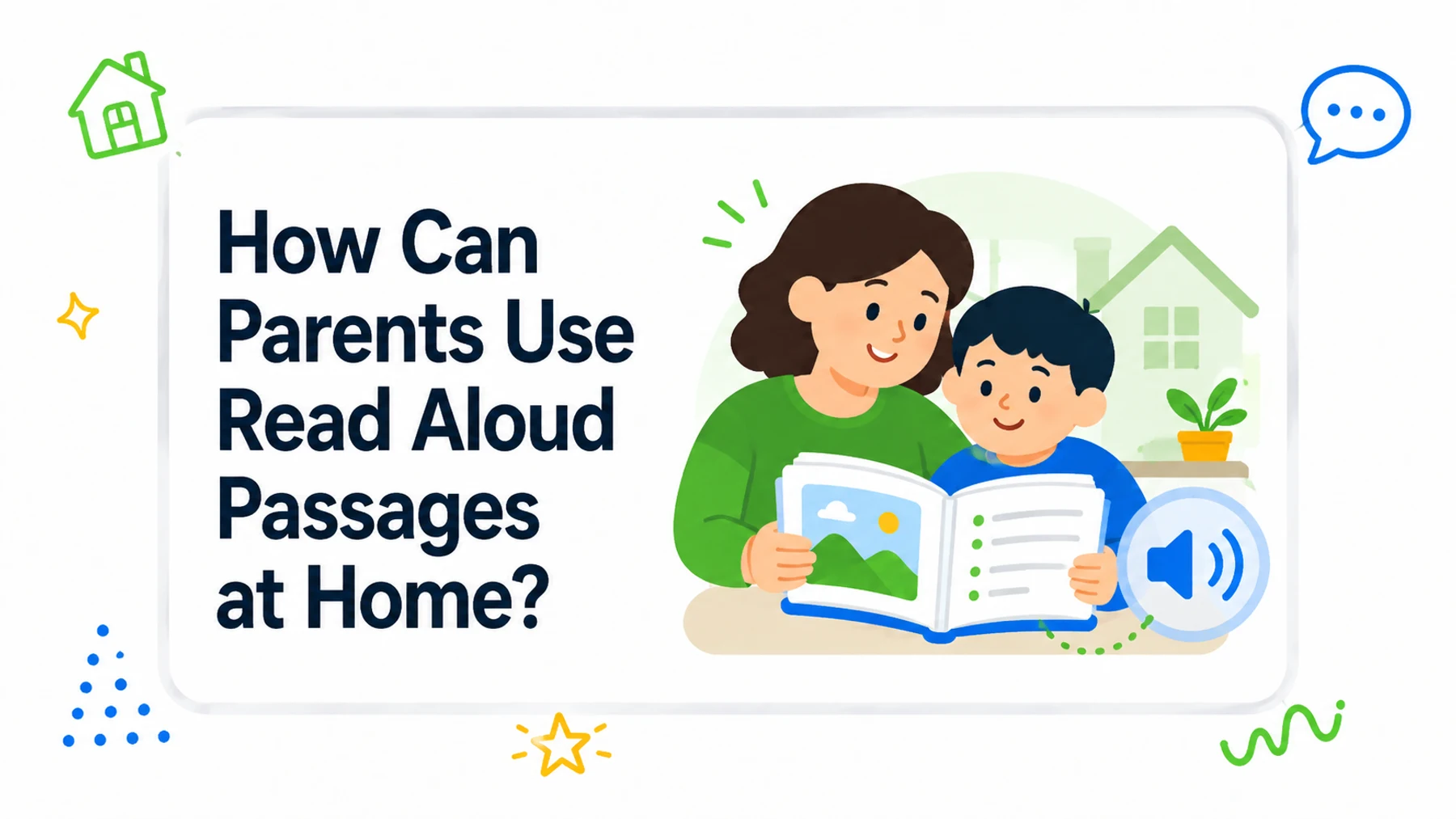
Read aloud passages can make reading practice at home feel calmer and more successful.
Some children understand much more when they hear a text read aloud than when they read the same text independently. That does not mean they are not learning. It often means that decoding is taking so much effort that there is not enough attention left for understanding.
When your child listens to a passage, follows along, rereads, and talks about the text, they are still working with language, vocabulary, fluency, and comprehension.
The goal is not to replace reading. The goal is to give your child a better way into the text.
What are read aloud passages?
A read aloud passage is a short text that your child hears while staying connected to the reading task.
The passage might be read by a parent, teacher, audiobook, text to speech tool, or online reading platform. Your child may listen first, follow along while listening, or reread the passage afterward.
What matters most is the purpose.
Sometimes your child listens for enjoyment. Sometimes they listen to understand the passage before reading. Sometimes they listen so they can hear fluent reading before rereading on their own.
For home reading practice, short passages usually work best because they are easy to finish and simple to repeat. A short passage gives your child a chance to listen, reread, answer a few questions, and experience success without becoming overwhelmed.
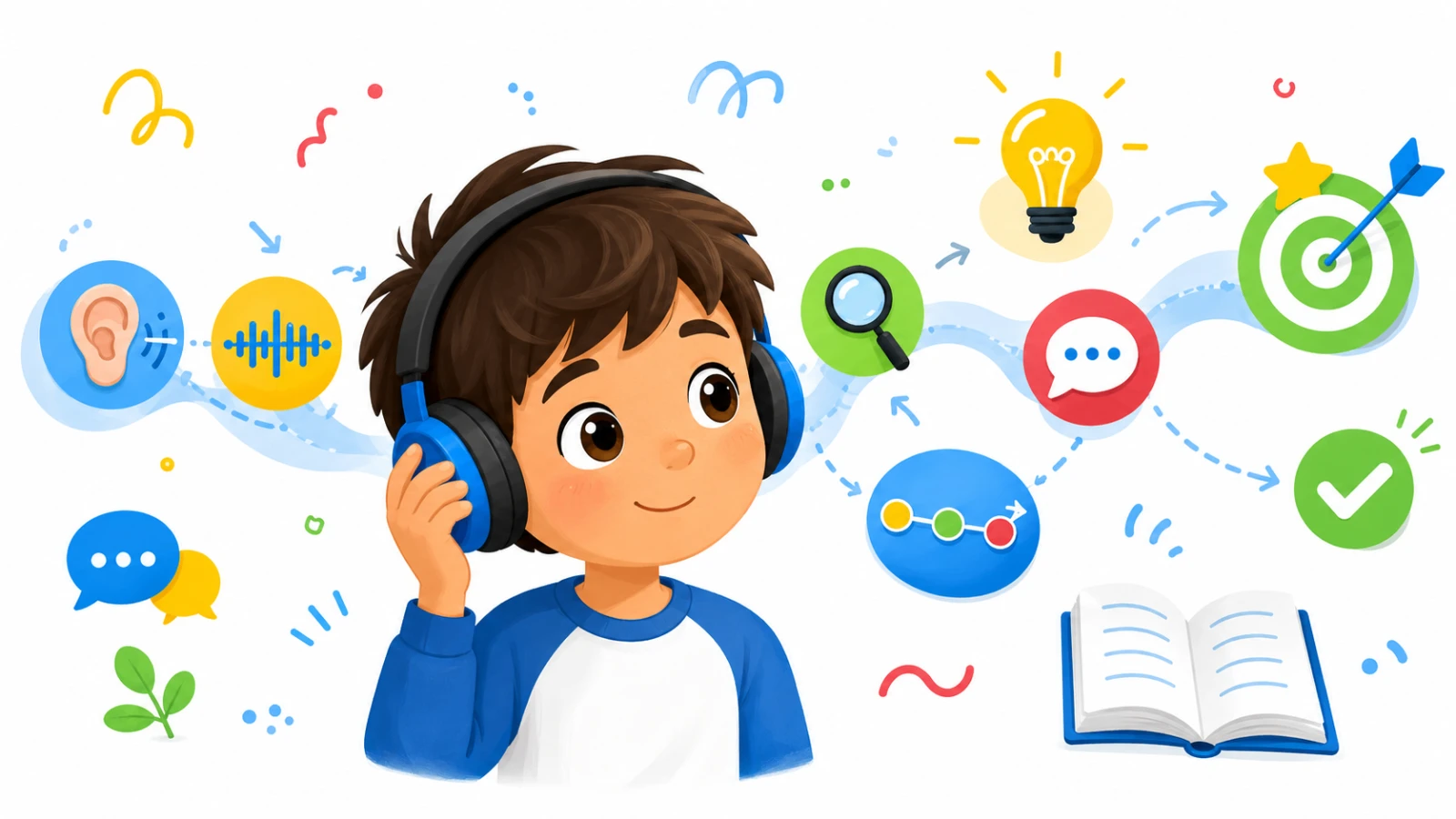
Why read aloud support helps at home
Reading at home can become stressful when every text feels too hard.
Your child may get stuck on words, lose the meaning halfway through, or become frustrated before the passage is finished. Parents may want to help, but the reading moment can quickly turn into correction, pressure, or conflict.
Read aloud support can lower that pressure.
When your child hears the passage first, the text often becomes more familiar. The topic is clearer. The vocabulary is easier to recognize. Your child has a better chance of understanding the passage before trying to read it again.
This can make reading feel less like a test and more like practice.
That matters because children are more likely to keep reading when they feel successful.
When should parents use read aloud support?
Read aloud support is helpful when listening makes the reading task more accessible.
You might use it when your child is tired, stuck, frustrated, or avoiding the passage. It can also help when the topic is new, the vocabulary is unfamiliar, or the passage is slightly harder than your child can read independently.
Read aloud support is also useful when the goal is comprehension, fluency, vocabulary, confidence, or discussion.
For example, your child might listen to a short science passage first, then reread one section and answer two questions. In that case, listening helps your child enter the text instead of giving up before the reading begins.
A good question to ask is: Would hearing this passage help my child understand it, reread it, or talk about it more successfully? When the answer is yes, read aloud support can be a good choice.
When should your child read without audio?
Your child should also have opportunities to read without audio.
Read aloud support is helpful, but it should not replace every independent reading moment. Children still need practice with decoding, fluency, stamina, and confidence as independent readers.
Reading without audio may be the better choice when the passage is already at a comfortable level, when the goal is independent reading practice, or when you want to see what your child can read without support.
Audio can also become less helpful if your child uses it to avoid reading completely.
In that case, you can keep the support but add a small reading step. For example, your child might listen to the whole passage first, then reread one paragraph aloud.
The goal is balance. Sometimes your child listens first. Sometimes your child reads first. Sometimes your child does both.
How read aloud passages support struggling readers
Many struggling readers understand more than they can comfortably decode.
Your child may find it difficult to read a nonfiction passage about sharks independently, but explain the main idea clearly after hearing the same passage read aloud. In that case, your child may not be struggling with the topic itself. The main barrier may be the amount of effort needed to read the words.
Read aloud support gives your child another way into the passage.
It can help your child access vocabulary, understand the topic, answer comprehension questions, and join a conversation about the text. This can be especially helpful for children with dyslexia, weak fluency, low reading stamina, or general reading difficulties.
This does not mean independent reading should disappear. It means your child gets support while reading skills continue to grow. For more guidance, see Read Aloud for Struggling Readers.
How read aloud support can help fluency
Read aloud support can also help your child hear what fluent reading sounds like.
Fluent reading is not only fast reading. It includes expression, pacing, natural pauses, phrasing, and understanding. A child who reads word by word may not yet hear how the sentence should sound as a whole.
When your child listens while following along, they hear how the words fit together. They hear where the reader pauses. They hear how a question sounds different from a statement. They hear how dialogue or emotion can change the voice.
Then, when your child rereads the passage, they have a model to follow.
This is why a simple listen, read, reread routine can work so well. The listening gives the model. The rereading gives the practice.
For a deeper fluency routine, see Read Aloud Fluency Practice.
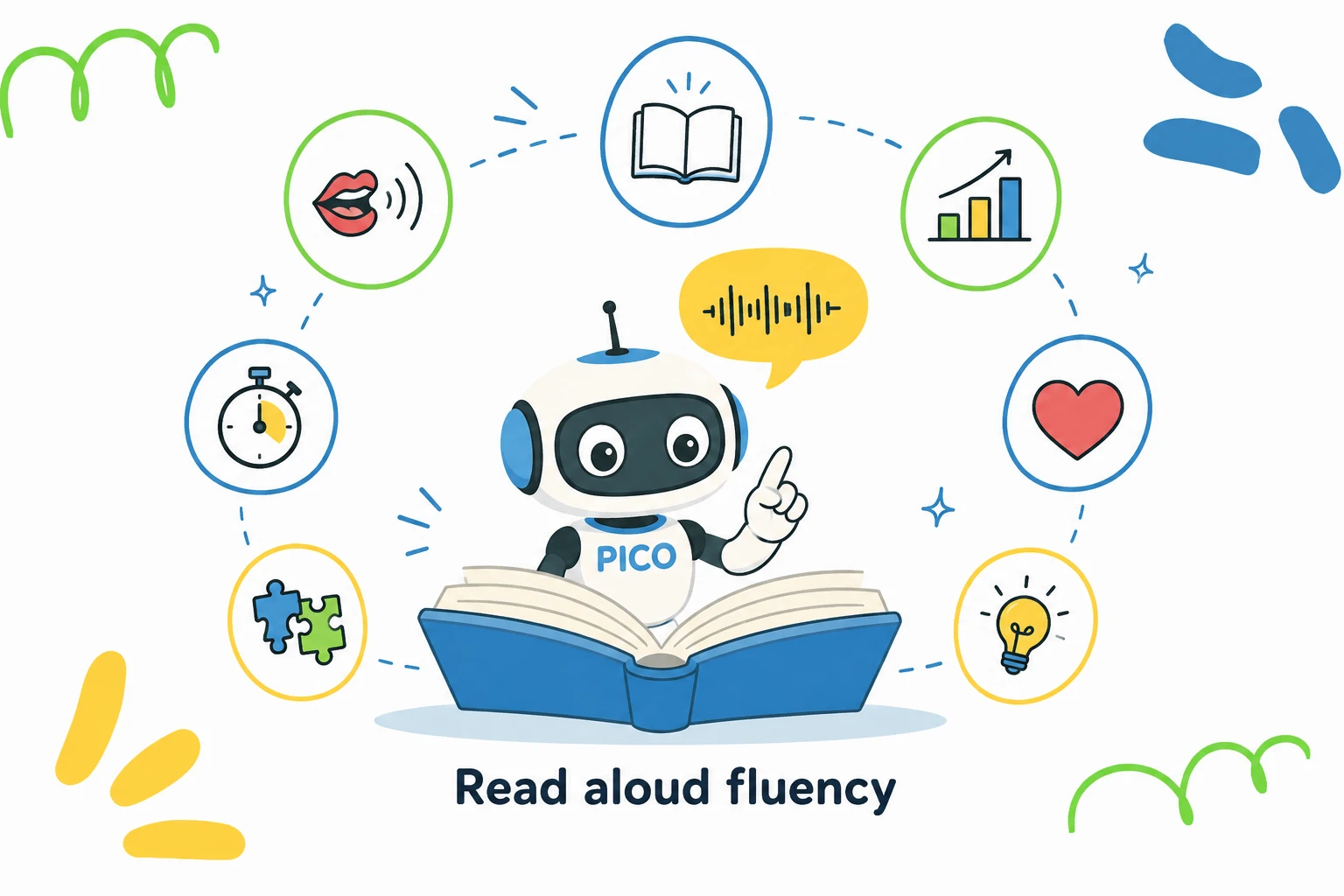
A simple 10-minute home reading routine
Read aloud practice at home does not need to be long or complicated.
A simple routine could look like this:
- Choose a short passage.
- Read it aloud while your child follows along.
- Let your child reread one small section.
- Ask two or three questions about the meaning.
- End with one positive comment about effort or progress.
This can take about 10 minutes.
You can also switch roles. You might read the first paragraph, and your child reads the next one. Or your child might listen once, then choose one favorite section to reread.
For some children, it helps to start with topics they already enjoy. A passage about soccer, animals, space, cooking, or funny inventions may feel much more inviting than a random worksheet.
The routine does not need to be perfect. It needs to feel doable enough to repeat.
Relaxed listening vs reading practice
Not every listening moment needs to be a formal reading lesson.
Your child might listen to a story while coloring, drawing, building, resting, or riding in the car. This kind of relaxed listening can still be valuable. It can support vocabulary, imagination, background knowledge, story enjoyment, and a positive relationship with language.
But relaxed listening is different from targeted reading practice.
When the goal is reading growth, your child should usually do something with the passage afterward. That might mean following along, rereading a section, answering a few questions, retelling the passage, or talking about one important idea.
Both kinds of listening can be useful. Listening while coloring can make language feel enjoyable. Listening, rereading, and answering questions can support comprehension and fluency more directly.
The key is knowing which goal you are working on.
What kinds of passages work best?
The best read aloud passages are short, clear, and interesting to your child.
A good passage should be challenging enough to support growth, but not so hard that every sentence becomes a struggle. If the passage is too difficult, your child may stop listening, stop trying, or feel defeated before the reading practice begins.
For home practice, choose passages that have a clear topic, manageable vocabulary, and a small set of comprehension questions.
Topics matter too.
Children are often more willing to read when the passage connects to something they already care about. Animals, sports, space, mysteries, holidays, jokes, science facts, and real world topics can all work well.
Short passages are especially useful because children can reread them without becoming overwhelmed. That rereading is where a lot of fluency growth happens.
How long should read aloud practice be?
Read aloud practice at home can be short.
For many children, 10 to 15 minutes is enough. A short, successful reading session is often more helpful than a long session that ends in frustration.
The goal is consistency.
A child who reads or listens to a short passage several times a week gets repeated exposure to vocabulary, sentence structure, fluency, and comprehension. That steady practice can be more effective than one long reading session that feels exhausting.
If your child is tired, choose a shorter passage.
If your child is interested and engaged, you can extend the discussion or reread another section.
The best reading routine is one your family can actually keep using.
Common mistakes parents should avoid
Read aloud support works best when it feels calm and purposeful.
One common mistake is choosing a passage that is too long or too difficult. If your child is already tired before the rereading begins, the practice will not feel successful.
Another mistake is turning every passage into a test. Questions are useful, but the goal is not to quiz your child on every detail. A few thoughtful questions are enough.
It also helps not to correct every mistake immediately. Too much correction can make your child nervous and less willing to read aloud. Choose one or two small things to support, and notice effort as well as accuracy.
A final mistake is removing support too quickly.
If listening helps your child understand the passage and stay engaged, it can be part of a healthy reading routine. The goal is not perfect reading in one session.
The goal is steady progress over time.
Can PicoBuddy help with read aloud passages?
PicoBuddy helps parents create reading passages that match your child’s level, interests, and reading goals.
This can make home reading practice easier because the passage can fit your child instead of forcing your child to fit the passage.
With PicoBuddy, you can create short reading passages by grade, topic, text type, and reading level. You can also create easier versions when your child needs more support.
For example, a parent might create a short animal passage for fluency practice, a soccer passage for a reluctant reader, or a simple science passage with a few comprehension questions.
That makes it easier to build a calm reading routine around topics your child actually wants to read.
Need a short passage for home reading practice? Browse PicoBuddy’s free reading passages or create a custom passage by grade, topic, and reading level.
Final thoughts
Read aloud support at home is not cheating.
For many children, it is a bridge into reading.
Listening can help your child access meaning, hear fluent reading, build vocabulary, and feel more confident with a text. Rereading then gives your child a chance to practice with more support and less frustration.
Children still need independent reading practice. But they also need successful reading experiences. Sometimes the best way to help your child grow as a reader is not to remove support right away.
It is to give the right support while confidence and reading skills continue to grow.

Frequently Asked Questions
Related Articles

Helping kids read better, together.
Like this article? Join 500+ educators using PicoBuddy to generate high-quality reading materials in seconds.