Upper Elementary
June 12 reading ideas
Finding reading ideas for this date…
Finding reading ideas for this date…
June 12 includes the ILO-led World Day Against Child Labour, Loving Day, and Philippine Independence Day. Readings explore children’s rights, equal marriage protections, and Filipino history and culture.
Special date
The International Labour Organization leads World Day Against Child Labour each June 12. These texts address childhood, safety, schooling, and historical labor reform.
3 reading resources
Explains the observance and the distinction between harmful labor and ordinary chores.
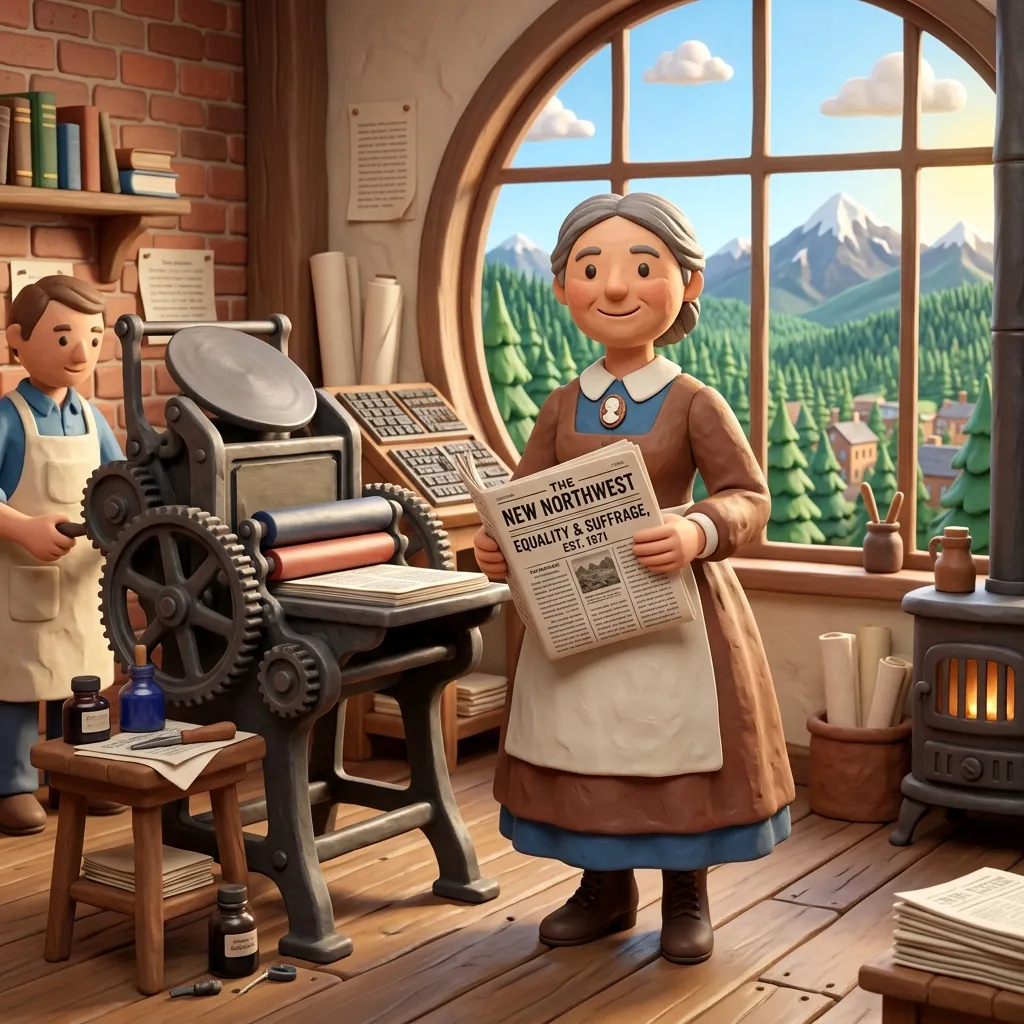
Historical perspective on child labor in Victorian factories.
Read passageAdds a historical account of labor and reform.
Read passageSpecial date
Loving Day commemorates the 1967 Supreme Court decision in Loving v. Virginia. The selected reading connects the case to marriage rights and equal protection.
2 reading resources
Related civil-rights and reform readings can add historical context.
Open collectionFocused account of the Lovings and the right to marry.
Read passageSpecial date
The Philippines marks independence on June 12, recalling its 1898 declaration from Spain. These readings offer distinct cultural, national-symbol, and historical angles.
3 reading resources
Cultural entry point through the colorful jeepney.
Read passageExplores colors and symbols of the Philippine flag.
Read passageHistorical focus on José Rizal and resistance to empire.
Read passageMore reading for this time of year, alongside today’s special dates.
5 reading resources
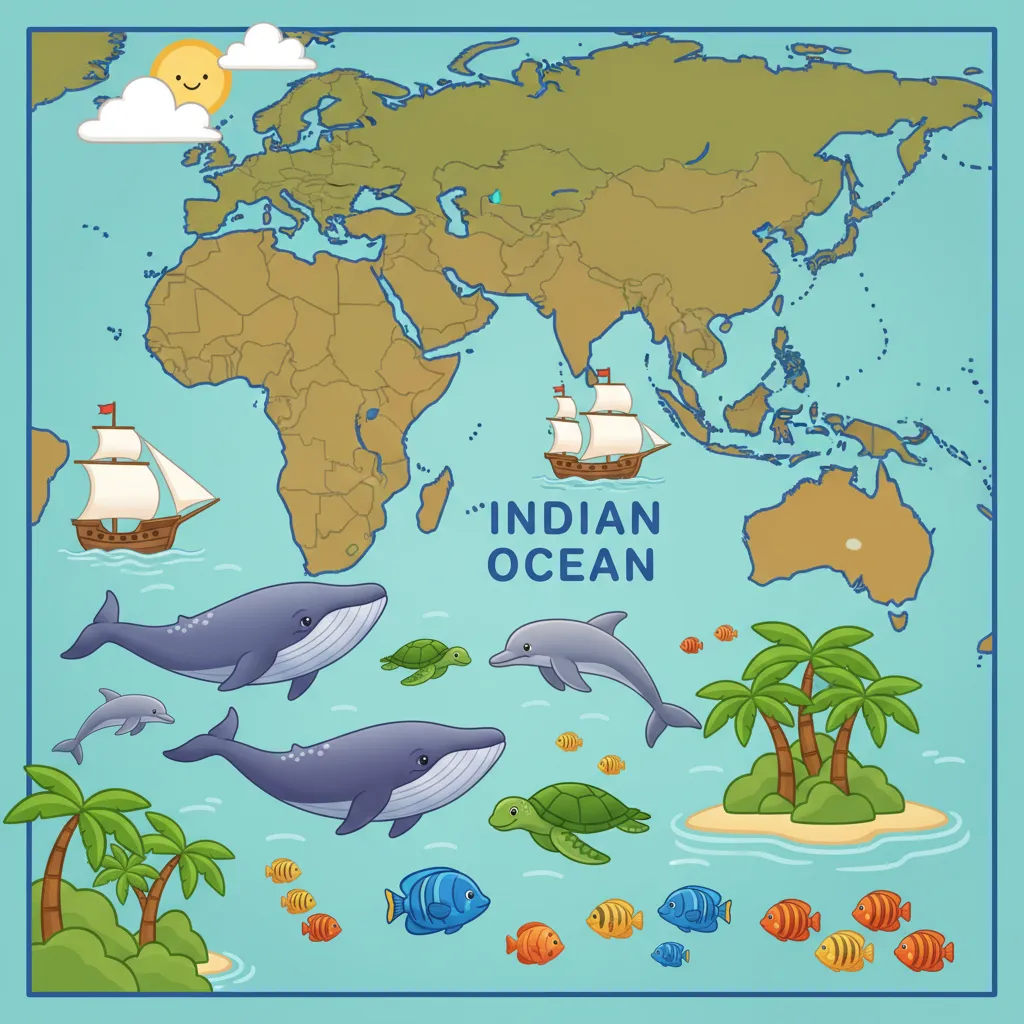
Continue June ocean learning with reading about marine animals.
Explore themeExplore nature and outdoor learning during June’s Great Outdoors Month.
Open collectionExplore ocean habitats and conservation throughout June Ocean Month.
Open collectionExplore stories about fathers, caregivers and family appreciation around U.S. Father’s Day.
Open collectionExplore summer reading ideas for classroom wrap-up and reading at home. School vacation dates vary.
Open collectionYour topic. Your level.
Have another idea for today’s lesson? Let Pico create an AI-assisted passage with questions and an illustration. Choose the topic and reading level in the creator.
June 12 includes three supported reading topics. The Anne Frank birthday and diary connection is deferred because the available candidates remain on content and rights holds; no Anne Frank passage is included here. The day still has other selected material.
The International Labour Organization leads World Day Against Child Labour. Protecting Childhood: Understanding World Day Against Child Labor explains the observance and the distinction between harmful child labor and ordinary age-appropriate responsibilities. For older readers, Silent Gears and Small Hands: Child Labor in Victorian Factories and Children of the Revolution: Labor and Reform add historical perspectives. Ask students to compare the conditions and protections described, using the passages’ evidence. Keep the conversation focused on safety, schooling, and rights; do not equate normal household chores with exploitation.
Loving Day commemorates the 1967 Supreme Court decision in Loving v. Virginia, which invalidated bans on interracial marriage. The Lovings and the Right to Marry supplies a focused account; the Rights & Reformers Reading Passages collection can support a broader study of legal change. Readers can distinguish the court case’s specific holding from later discussions of equality and family life.
Philippine Independence Day marks the country’s declaration of independence from Spain on June 12, 1898. The Colorful Jeepney and the Philippine flag passage open cultural and national-symbol angles; A Mind Against an Empire: The Legacy of Dr. José Rizal adds a historical figure and resistance context. Ask readers to use one concrete detail to explain what a symbol or person represents in the selected text, rather than treating one story as a complete account of the Philippines.
Which June 12 history will you read?