June 14 reading ideas
Finding reading ideas for this date…
Finding reading ideas for this date…
June 14 brings Flag Day, World Blood Donor Day, and readings about aviation and Harriet Beecher Stowe. The selected passages support civic discussion, science learning, and careful study of writing’s influence.
Special date
On June 14, 1919, John Alcock and Arthur Brown began the first nonstop transatlantic flight. The selected biography gives a focused aviation history.
2 reading resources

Direct account of Alcock and Brown’s nonstop Atlantic crossing.
Read passageA distinct comparison with Charles Lindbergh’s early life and aviation story.
Read passageSpecial date
World Blood Donor Day is a WHO campaign on June 14. The selected passages introduce blood science, donation, and humanitarian services without replacing current medical guidance.
3 reading resources
Accessible introduction to blood and its work in the body.
Read passageExplains blood types and the role of donation.
Read passageHumanitarian-service context through the Red Cross and Red Crescent.
Read passageSpecial date
U.S. Flag Day is observed June 14. These selections introduce the flag and support an age-appropriate discussion about civic symbols and individual rights.
2 reading resources
An accessible introduction to the Stars and Stripes.
Read passageOlder-reader discussion of the flag, pledge, and right to silence.
Read passageSpecial date
Harriet Beecher Stowe was born June 14, 1811. The biography examines literary influence while keeping Black abolitionists and formerly enslaved people central to the wider history.
Contextual biography of Stowe, her writing, its influence, and its limits.
Read passageMore reading for this time of year, alongside today’s special dates.
5 reading resources
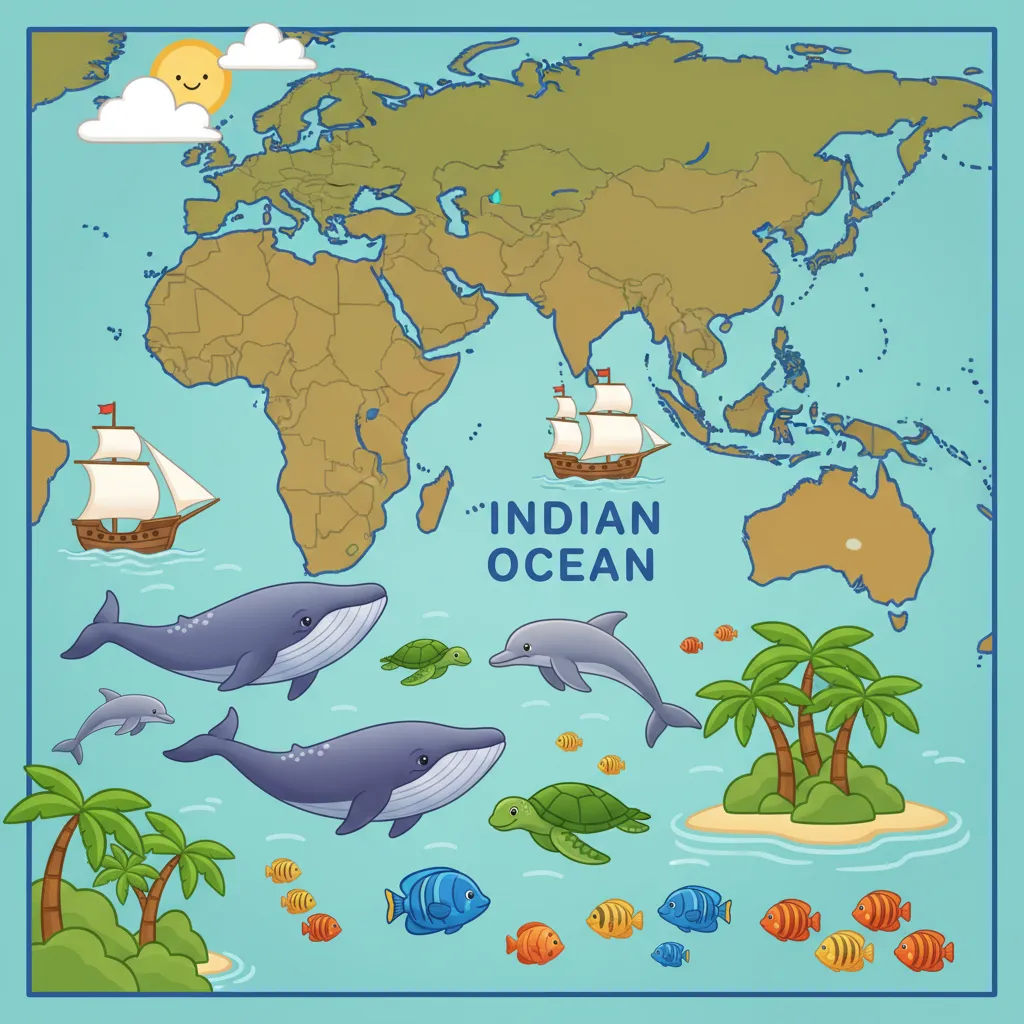
Continue June ocean learning with reading about marine animals.
Explore themeExplore nature and outdoor learning during June’s Great Outdoors Month.
Open collectionExplore ocean habitats and conservation throughout June Ocean Month.
Open collectionExplore stories about fathers, caregivers and family appreciation around U.S. Father’s Day.
Open collectionExplore summer reading ideas for classroom wrap-up and reading at home. School vacation dates vary.
Open collectionYour topic. Your level.
Have another idea for today’s lesson? Let Pico create an AI-assisted passage with questions and an illustration. Choose the topic and reading level in the creator.
June 14 is Flag Day in the United States, an observance of the nation’s flag. Stars, Stripes, and a Flag is an approachable introduction; A Flag, a Pledge, and the Right to Silence supports an older-reader discussion of civic symbols and individual rights. Ask students to distinguish what a flag represents to different people from what the text states about its history. A useful classroom question is how a shared symbol can invite both belonging and debate.
World Blood Donor Day is the World Health Organization’s annual campaign. Your Busy Blood introduces blood and its role in the body; The Science of Blood Types and the Gift of Donation connects blood types with donation, while Lending a Helping Hand: The Global Red Cross and Red Crescent offers a humanitarian-service angle. Have readers explain one scientific idea from the text, then summarize how donation can help others. Keep health decisions and eligibility questions with qualified adults and current medical guidance.
Aviation history appears in Alcock and Brown: The First Nonstop Atlantic Crossing, about the June 1919 flight across the Atlantic. Compare its account with Flying High: Charles Lindbergh’s Roots in Little Falls to notice how historical narratives select details and frame achievement.
Harriet Beecher Stowe was born June 14, 1811. Harriet Beecher Stowe and the Power of Words examines the influence and limits of her writing about slavery. Readers should also attend to the passage’s discussion of Black abolitionists and formerly enslaved people whose testimony and activism were essential. Ask students to identify what a novel could make visible to readers, then name whose voices and actions must remain central to a fuller history.
Which June 14 reading fits your lesson?