June 28 reading ideas
Finding reading ideas for this date…
Finding reading ideas for this date…
Follow how goods move through a supply chain and explore Maria Goeppert Mayer’s work on the structure of atoms.
Special date
Paul Bunyan Day is an informal date-calendar observance on June 28; no primary founder or proclamation was found. The selection is explicitly about tall-tale storytelling, not a verified historical event.
Introduces Paul Bunyan as a tall-tale figure and supports genre discussion.
Read passageSpecial date
National Logistics Day is an informal observance founded in 2019. Readings show shipping and warehouse-to-door routes; a founder’s playful Marco Polo reference is not historical evidence.
3 reading resources
Follows goods from warehouse to a doorstep.
Read passageShows infrastructure supporting Great Lakes shipping.
Read passageOn this date in history · 1906
Physicist Maria Goeppert Mayer was born June 28, 1906. Her biography offers an opportunity to discuss scientific models and explanations of atomic structure.
Introduces Goeppert Mayer and the puzzle of atomic structure.
Read passageOn this date in history · 1969
The Stonewall Uprising began June 28, 1969, and protests continued for six days. The selected passage anchors the anniversary to the verified start date.
Explains Stonewall as a turning point in the struggle for equal rights.
Read passageSpecial date
Pollinator Week runs June 22–28 in 2026 and June 21–27 in 2027. Use this additional reading period to follow how pollen moves between flowers.
Follow a bee’s flower visit and explain how it helps pollination.
Read passageMore reading for this time of year, alongside today’s special dates.
4 reading resources
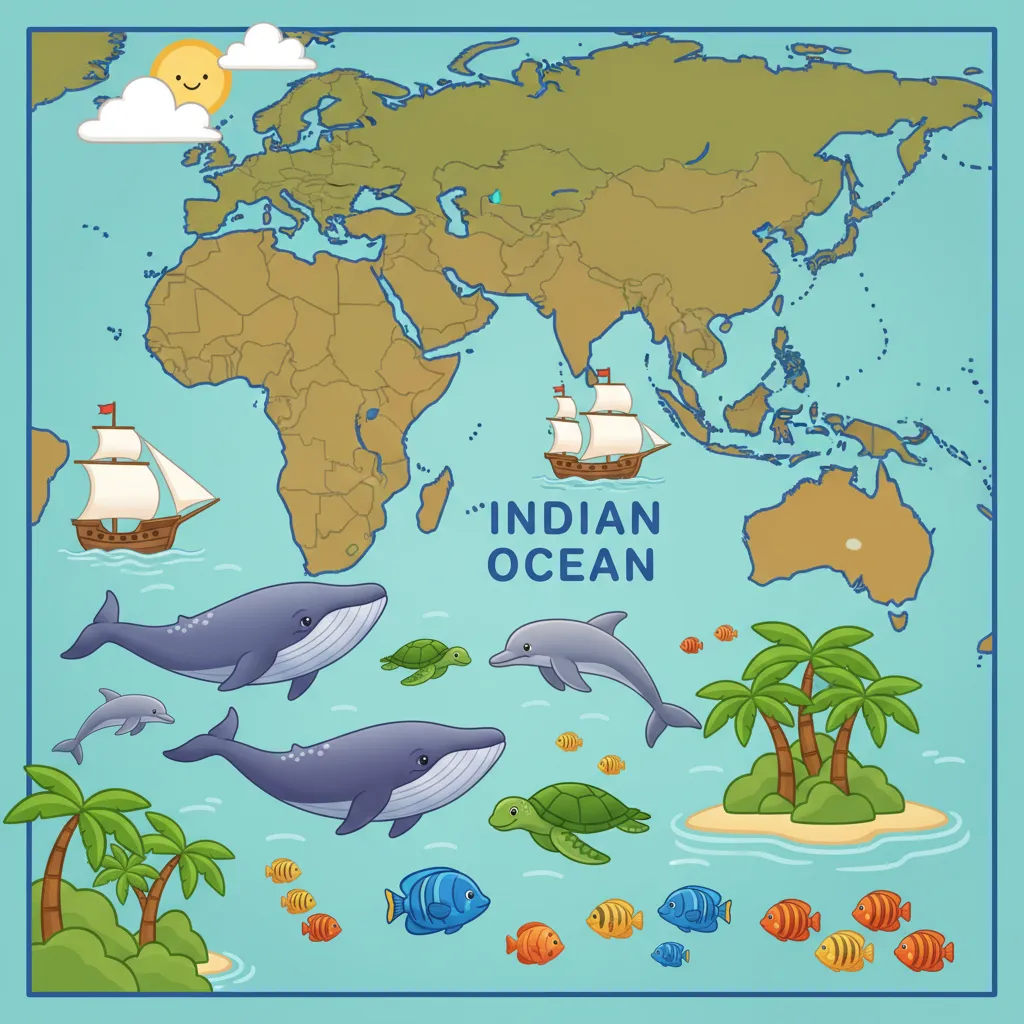
Continue June ocean learning with reading about marine animals.
Explore themeExplore nature and outdoor learning during June’s Great Outdoors Month.
Open collectionExplore ocean habitats and conservation throughout June Ocean Month.
Open collectionExplore summer reading ideas for classroom wrap-up and reading at home. School vacation dates vary.
Open collectionYour topic. Your level.
Have another idea for today’s lesson? Let Pico create an AI-assisted passage with questions and an illustration. Choose the topic and reading level in the creator.
June 28 offers two ways to think about systems whose parts are easier to understand when traced step by step. National Logistics Day is an informal observance founded in 2019. Read From a Warehouse to Your Door with From Ship to Shop to follow how goods move; Giants of the Great Lakes: Duluth’s Historic Ore Docks adds a place-based example of shipping infrastructure. Learners can map a product’s route and label only the steps supported by the text. The founder’s playful Marco Polo reference is not historical evidence about logistics.
Physicist Maria Goeppert Mayer was born June 28, 1906. Maria Goeppert Mayer and the Puzzle Inside Atoms introduces a scientific effort to explain atomic structure. Invite students to notice how scientists use models to reason about something too small to observe directly, and to distinguish a model from the object itself.
Paul Bunyan Day is an informal storytelling date. Giant Stories: Paul Bunyan and the Art of Tall Tales can help learners identify exaggeration and other tall-tale features.
June 28 also marks the anniversary of the Stonewall Uprising, which began in 1969. Stonewall: A Turning Point for Equal Rights supports a separate history discussion; keep it distinct from logistics and physics.
For class, groups can make two flow diagrams: one for a package’s journey and another showing how evidence can support a scientific model. At home, choose an ordinary item and ask what people, places, and decisions may be involved before it arrives. Keep the explanation grounded in the selected readings rather than adding unsupported supply-chain steps. The shared goal is to see how connected parts contribute to a result.
What are the parts in a system, and how does each contribute?