
fix the sentence
Sentences from the passage with the capitals and punctuation removed — rewrite each one correctly.
Web preview · Open larger preview (opens in a new tab)
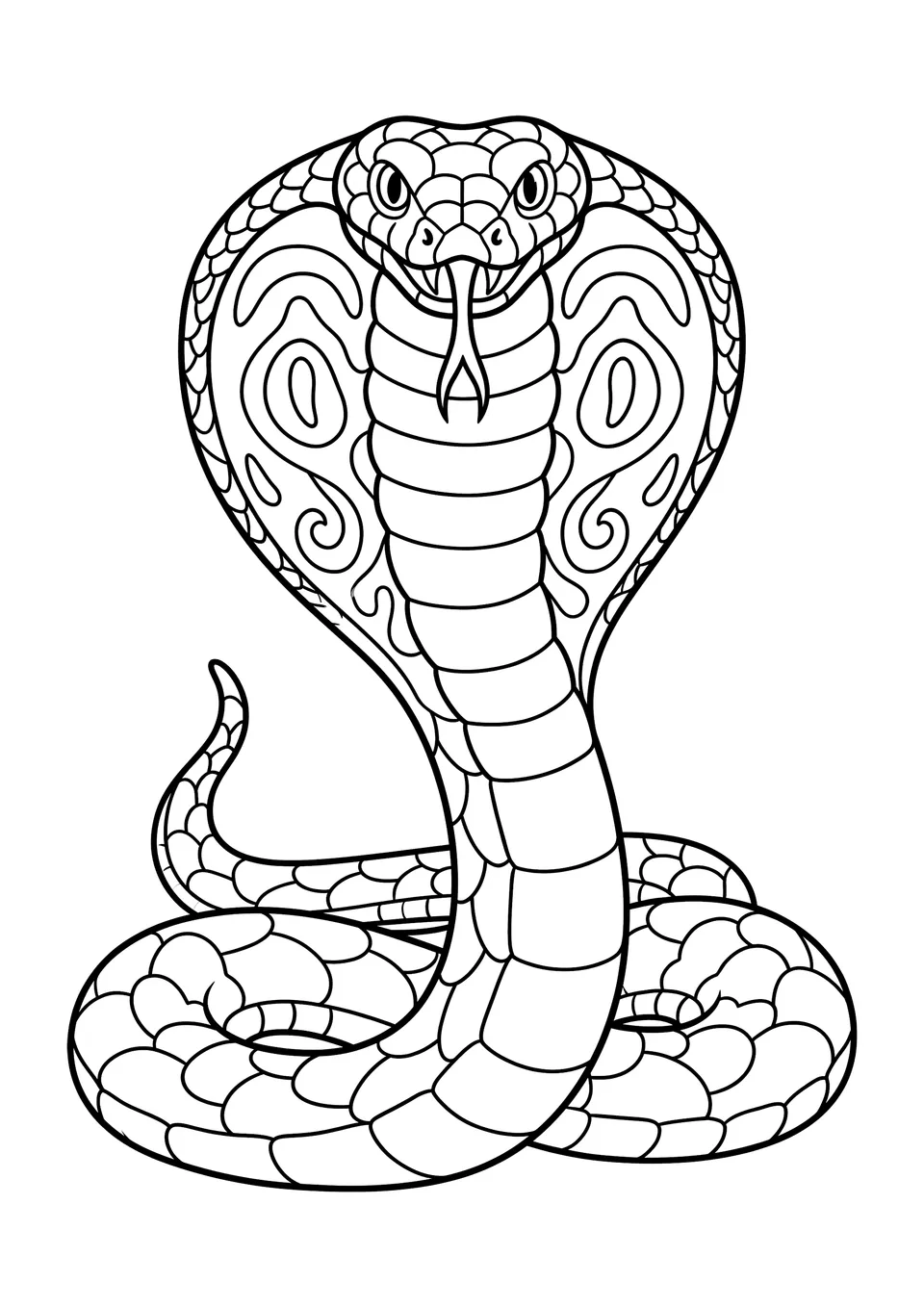
Bring science to life with this detailed cobra coloring page and informative reading passage. It's a great way for students to learn about reptile biology and habitats while getting creative.
PDF · Your plan’s download limits apply
Cobras are some of the most famous snakes in the world. They are known for their impressive "hoods" and their deadly venom. While many people are afraid of these reptiles, they are actually fascinating creatures with unique behaviors and an important role in nature.
The most recognizable feature of a cobra is its hood. When a cobra feels threatened, it stands up tall and stretches out the ribs in its neck. This creates a wide, flat shape that makes the snake look much larger and scarier to its enemies. Most cobras live in Africa and Asia, and they can be found in a variety of environments, including tropical rainforests, savannas, and even near human villages.
One of the most well-known species is the King Cobra. It is the longest venomous snake on Earth, reaching lengths of up to 18 feet! Unlike most other snakes, King Cobras are actually very protective parents. The female King Cobra builds a nest out of leaves and sticks to protect her eggs. She stays near the nest to guard her young until they hatch, which is very unusual behavior for a snake.
Cobras are carnivores, which means they eat meat. They use their specialized fangs to deliver venom to their prey. This venom is a powerful neurotoxin that affects the nervous system of the animal they are hunting. Most cobras eat small mammals, birds, and other lizards. Interestingly, the King Cobra mostly eats other snakes, including its own kind!
Even though they are dangerous, cobras are helpful to humans because they eat pests like rats and mice that can destroy crops. In many cultures, cobras are even seen as symbols of power or protection. By learning more about these amazing animals, we can better understand how they help keep the balance of the natural world.
What is considered the most recognizable physical feature of a cobra?
How does a cobra physically create its hood when it feels threatened?
In which two continents are cobras primarily found?
What record does the King Cobra hold among venomous snakes?
How does a female King Cobra differ from most other snakes in how she handles her eggs?
What does the term 'carnivore' mean in relation to a cobra's diet?
How does a cobra's venom specifically affect its prey?
What is the primary food source for a King Cobra?
In what way do cobras provide a benefit to human farmers?
What do cobras represent in many different cultures?
More ways to practice with this story — every sheet is built from the text itself, answer key included where it counts.
One PDF with a cover, a contents page and every answer key at the back — color the page in, then keep going on paper.
Sentences from the passage with the capitals and punctuation removed — rewrite each one correctly.
Two writing tasks that build on the passage, with plenty of lines to write on.
This free cobra coloring page is designed to pair perfectly with our educational reading passage, 'Kings of the Reptile World.' By combining a creative coloring activity with an informative text, students in upper elementary grades can better retain facts about the cobra's unique hood, its habitat in Africa and Asia, and the specialized diet of the King Cobra. This resource is ideal for science centers, animal-themed units, or as a literacy-building exercise.
Our printable coloring pages are crafted with clear outlines and open spaces, making them easy to download and use in a variety of settings. Whether you are a teacher looking for a supplemental biology lesson or a parent seeking a fun at-home project, this activity helps children explore the natural world. The inclusion of a reading passage and potential comprehension questions ensures that students are practicing essential reading skills while they color.