
fix the sentence
Sentences from the passage with the capitals and punctuation removed — rewrite each one correctly.
Web preview · Open larger preview (opens in a new tab)
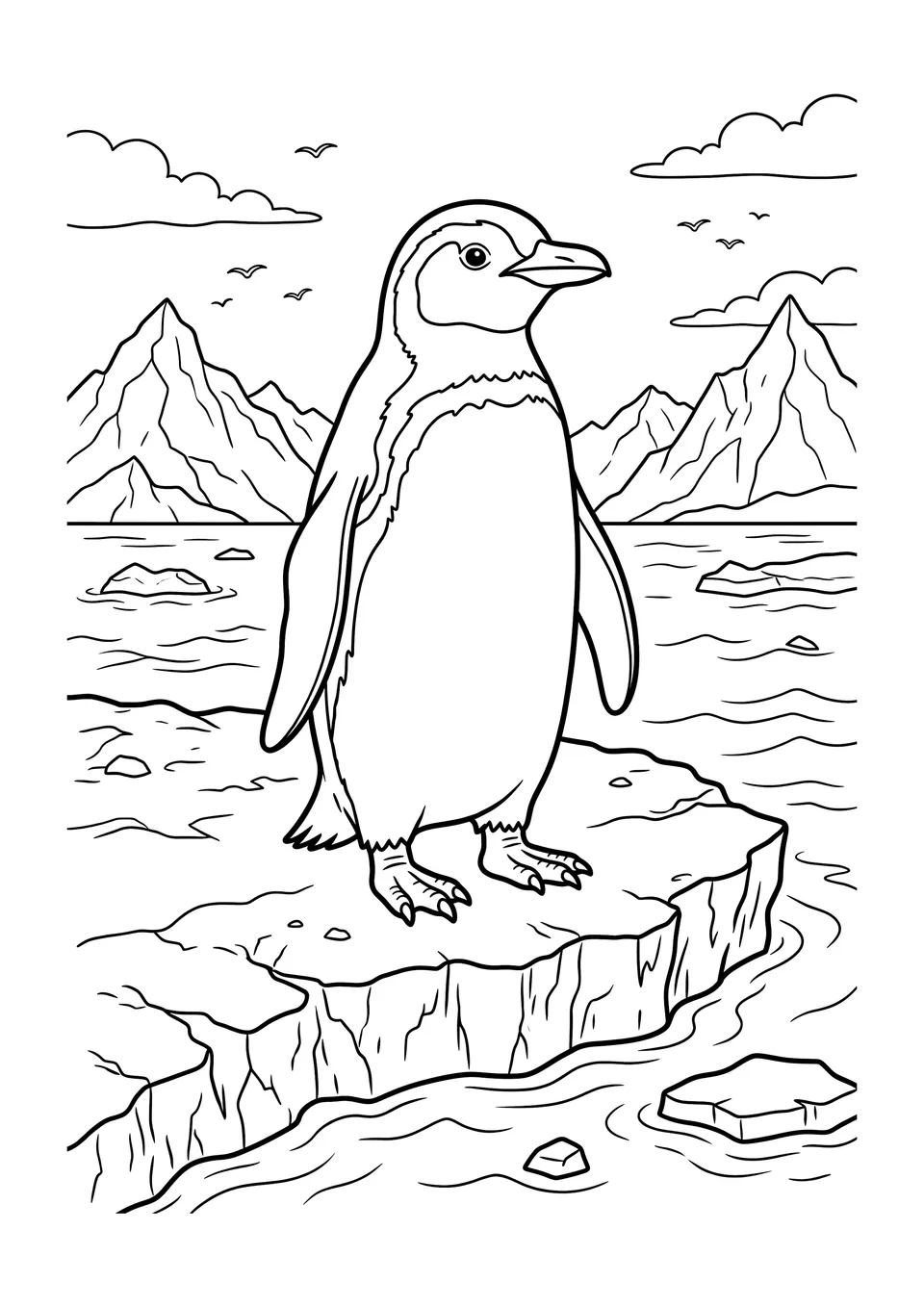
Learn about the amazing world of penguins with this printable coloring page and reading activity. It is the perfect way to combine science and creativity in the classroom or at home.
PDF · Your plan’s download limits apply
Penguins are some of the most unique birds on Earth. Even though they have feathers and lay eggs like other birds, they cannot fly through the air. Instead, they "fly" through the ocean. Most of the 18 different species of penguins live in the Southern Hemisphere, ranging from the icy shores of Antarctica to the tropical Galápagos Islands near the equator.
One of the most recognizable things about a penguin is its black-and-white appearance, which looks like a tiny tuxedo. This coloring is actually a clever form of camouflage called countershading. When a penguin is swimming, its white belly blends in with the bright surface of the water when viewed from below. Meanwhile, its dark back blends into the deep, dark ocean when seen from above. This helps them stay safe from predators like leopard seals and orcas while they search for food.
To survive in cold waters, penguins have several amazing adaptations. They have a thick layer of fat, called blubber, under their skin to keep them warm. Their feathers are also very stiff and packed closely together to create a waterproof coat. Unlike most birds that have hollow bones for flying, penguins have heavy, solid bones. These act like a diver’s weight belt, helping them stay underwater while they hunt for fish, squid, and tiny crustaceans called krill.
Penguins are also very social animals. They live in large groups called colonies, which can sometimes include thousands of birds. Living together helps them stay safe and warm. In the freezing Antarctic winters, Emperor penguins huddle close together in a giant circle, taking turns standing in the middle where it is warmest. When it comes to raising their young, many penguin parents work as a team. While one parent stays to protect the egg or chick, the other travels to the ocean to find food.
Whether they are sliding on their bellies across the ice or diving deep into the chilly sea, penguins are perfectly built for their environment. These flightless birds show us how animals can adapt to some of the harshest conditions on our planet.
Where in the world are most of the 18 species of penguins found?
How does countershading help a penguin avoid being seen from above?
What are two adaptations penguins have to stay warm in freezing water?
Why do penguins have heavy, solid bones instead of hollow ones like other birds?
What three types of food do penguins typically hunt for in the ocean?
How do Emperor penguins use huddling to survive the Antarctic winter?
What is the specific name for the large groups that penguins live in?
How do penguin parents cooperate when raising their young?
What kind of penguin habitat is mentioned that is near the equator?
What are two predators that penguins must hide from while swimming?
More ways to practice with this story — every sheet is built from the text itself, answer key included where it counts.
One PDF with a cover, a contents page and every answer key at the back — color the page in, then keep going on paper.
Sentences from the passage with the capitals and punctuation removed — rewrite each one correctly.
Two writing tasks that build on the passage, with plenty of lines to write on.
This free printable penguin coloring page gives children a fun way to combine creativity and reading. The page is paired with a reading passage, so kids can color, read and discover interesting facts about one of the world's most beloved animals.
Penguin coloring pages are a favorite choice for children who love animals, ocean life and snowy adventures. This printable PDF can be used at home, in the classroom or during homeschool lessons as a creative and educational activity.
Children can color before or after reading, making the experience both fun and meaningful. PicoBuddy combines coloring pages with reading practice to help children build vocabulary, comprehension and confidence while having fun.
Penguins are flightless birds that live mostly in the Southern Hemisphere. They are excellent swimmers and use their wings like flippers to glide through the water. Learning about penguins helps children explore animal adaptations, cold-weather habitats and marine ecosystems.
After coloring, children can continue the fun by reading more animal stories, practicing wildlife vocabulary or creating their own polar adventure.