December 11 reading ideas
Finding reading ideas for this date…
Finding reading ideas for this date…
Compare the Rockies and Andes for International Mountain Day, explore hardware and software for informal National App Day, and use David Brewster’s birthday to investigate kaleidoscope reflections.
Special date
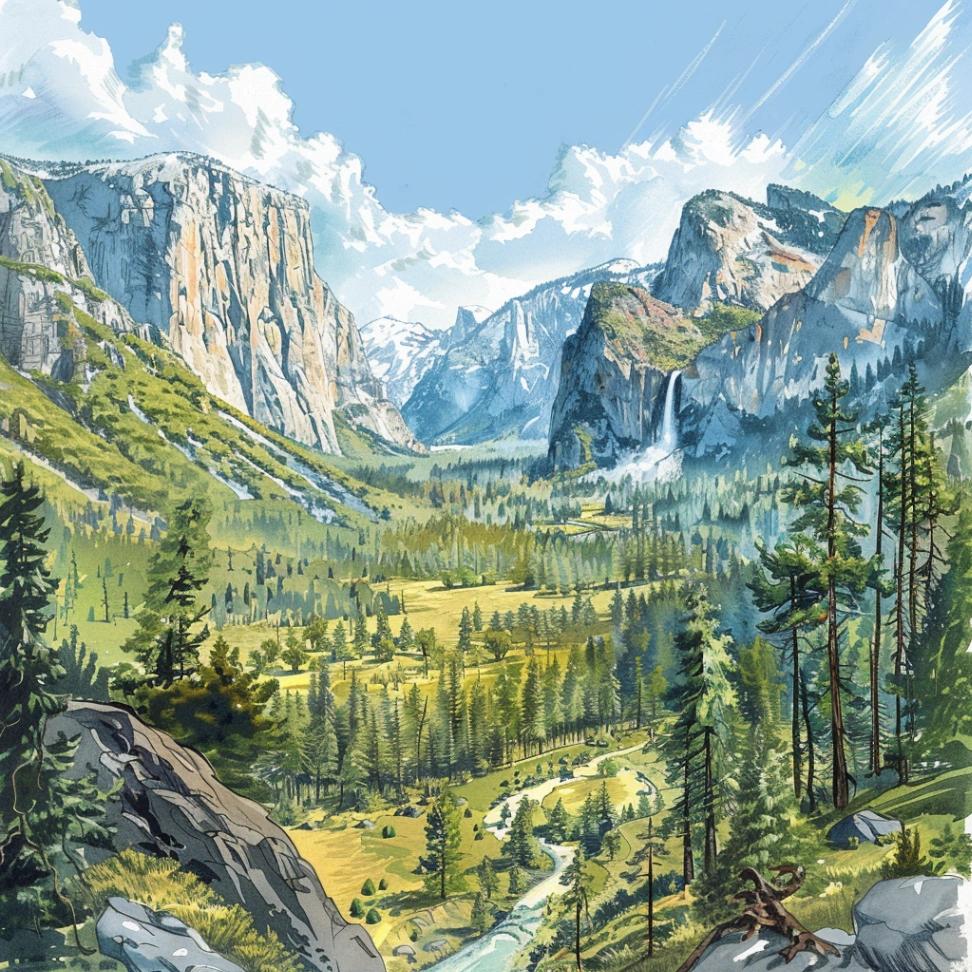
Use two regional readings to compare how mountain ranges form and shape places. The Rocky Mountains and Andes provide contrasting North and South American examples; students can locate them on a map and compare landforms, while the readings do not specifically commemorate the UN observance.
10 reading resources
Use Geography Reading Passages as related background or for comparison.
Open collectionExplore this topic through Exploring Earth's Majestic Mountains.
Read passageExplore this topic through Exploring the Berkshire Mountains: Habitats and Seasons.
Read passageExplore this topic through Animals of the Wichita Mountains.
Read passageLocate the Rocky Mountains and identify key geographic features described in the passage.
Read passageCompare the Andes’ formation and influence with the Rocky Mountain region.
Read passageExplore a mountain landscape, its environment, or the stories people tell about it.
Read passageExplore a mountain landscape, its environment, or the stories people tell about it.
Read passageExplore a mountain landscape, its environment, or the stories people tell about it.
Read passageSpecial date
National App Day is an informal December 11 observance. Read about hardware, software and a computing pioneer, then identify how an app depends on instructions and a device. Compare the purposes of an explanation and a biography.
6 reading resources
Use Technology Reading Passages as related background or for comparison.
Open collectionExplore this topic through Decoding the World of Software Development.
Read passageUse Tech Jobs in California: A World of Innovation as related background or for comparison.
Read passageUse the hardware-and-software comparison to explain where apps fit in a computer system.
Read passageFollow the stages of software development and identify how people design, test, and improve an app.
Read passageOn this date in history · 1781
December 11 is the birthday of Scottish scientist David Brewster, born in 1781. Explore how mirrors make repeating patterns in a kaleidoscope.
Explain reflection and predict how moving colored pieces changes a pattern.
Read passageMore reading for this time of year, alongside today’s special dates.
6 reading resources
Christmas reading for the December 1–25 teaching window, alongside the day’s own date-specific topics.
Explore themeChristmas reading for the December 1–25 teaching window, alongside the day’s own date-specific topics.
Open collectionChristmas reading for the December 1–25 teaching window, alongside the day’s own date-specific topics.
Open collectionChristmas reading for the December 1–25 teaching window, alongside the day’s own date-specific topics.
Open collectionChristmas reading for the December 1–25 teaching window, alongside the day’s own date-specific topics.
Open collectionChristmas reading for the December 1–25 teaching window, alongside the day’s own date-specific topics.
Open collectionYour topic. Your level.
Have another idea for today’s lesson? Let Pico create an AI-assisted passage with questions and an illustration. Choose the topic and reading level in the creator.
Compare the Rocky Mountains with the Andes. Collect details about their formation, landscapes, and influence, then organize the evidence in a comparison chart.
For the informal National App Day, read Hardware vs. Software. Sort examples of physical devices and programs, explain where apps fit, and identify how the two parts of a computer system work together.
Explore The Legacy of the Old Man of the Mountain, The Fire-Defying Wonders of Table Mountain, My Rocky Mountain Adventure: A Banff Diary. Choose a text or collection that fits your readers and the day’s topic.
David Brewster was born on December 11, 1781. Use The Patterns Inside a Kaleidoscope to explain how mirrors repeat images of colored objects. Predict what a small turn will change, then distinguish a real object from its reflected images; no glass-cutting activity is needed.