
fix the sentence
Sentences from the passage with the capitals and punctuation removed — rewrite each one correctly.
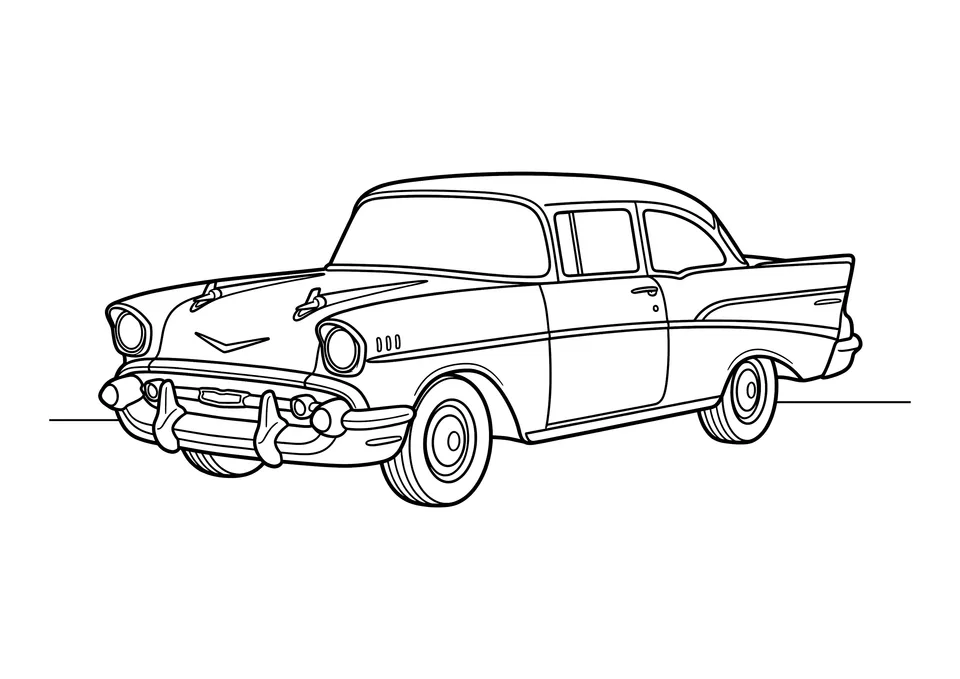
Web preview · Open larger preview (opens in a new tab)
Explore the beauty of vintage automobiles with this classic car coloring page and informative reading passage. It's the perfect way to blend creativity with a bit of automotive history!
PDF · Your plan’s download limits apply
Have you ever seen a car that looked like it belonged in an old movie? It might have had a long, shiny body, huge chrome bumpers, and bright paint that sparkled in the sun. These special vehicles are known as classic cars. While most cars are just tools to get from one place to another, classic cars are treated like pieces of art. They tell a story about how people lived and what they valued in the past.
To be considered a classic, a car usually needs to be at least twenty or twenty-five years old. However, it is not just about age. A true classic car is often a model that was very popular, very rare, or had a unique design when it was first built. For example, cars from the 1950s often had large "tailfins" on the back that made them look like rocket ships. During that time, people were excited about space travel, and car designers wanted their vehicles to look fast and futuristic.
Owning a classic car is a lot of work. Because these cars are old, their parts can wear out or break easily. Many owners spend years performing a process called restoration. This means they fix the engine, hunt for original parts, and repaint the body so the car looks exactly like it did the day it left the factory. It takes a lot of patience and skill to keep a vintage engine running smoothly.
Once the cars are fixed up, owners often take them to car shows. At these events, rows of polished vehicles are lined up for people to admire. It is a chance for families to see history up close and for owners to share stories about their hard work. These "treasures on wheels" remind us of the creativity and engineering of the past, making sure that history stays on the road for everyone to enjoy.
What criteria must a car usually meet to be considered a classic?
How does the author describe the difference between most cars and classic cars?
Why did car designers in the 1950s add tailfins to their vehicles?
What specific steps are involved in the restoration process?
How old must a car typically be to qualify as a classic?
What is the ultimate goal of a car restoration according to the text?
Why is owning a classic car described as being 'a lot of work'?
What happens at car shows besides looking at vehicles?
What do classic cars represent regarding the people who lived in the past?
What does the author mean by calling these vehicles 'treasures on wheels'?
More ways to practice with this story — every sheet is built from the text itself, answer key included where it counts.
One PDF with a cover, a contents page and every answer key at the back — color the page in, then keep going on paper.
Sentences from the passage with the capitals and punctuation removed — rewrite each one correctly.
Match the passage words to their meanings, then fill the missing words back into real sentences.
Two writing tasks that build on the passage, with plenty of lines to write on.
Bring history to life with our printable classic car coloring page. This activity combines creativity with learning, featuring an informative reading passage that explores why vintage vehicles are considered "treasures on wheels." It is a fantastic resource for parents and teachers looking for engaging materials for upper elementary students.
Our free download coloring page is designed with clear outlines and open spaces, making it perfect for classroom use or at-home fun. The accompanying passage includes facts about car restoration and the unique designs of the 1950s, helping children build comprehension skills while they color.
Whether you are a car lover or looking for an educational activity, this resource includes both the coloring sheet and a structured reading passage. Use it to spark discussions about engineering, history, and how technology has changed over the decades.