Read and respond online
Keep the passage and questions together
Open a level-matched passage, read on screen and answer the accompanying questions in one connected flow.
- Level-matched texts
- Questions in one place
- Useful for independent work
Choose by reading comfort, not age alone. Compare four clear starting points, try one passage, and adjust as reading becomes easier.
Choose a starting point
The ranges overlap on purpose. Start with the closest description and let the first passage help you decide.
 Emerging English ReaderBeginnerShort sentences, familiar words, audio support, and clear questions.Grade 1–2 text difficulty · approx. Pre-A1 to A1Explore the beginner level
 Developing English ReaderDevelopingLonger sentences, everyday vocabulary, and simple story or fact structure.Grade 2–4 text difficulty · approx. A1 to A2Explore the developing level
 Confident English ReaderIntermediateLonger passages, richer vocabulary, and questions that require explanation.Grade 4–6 text difficulty · approx. A2 to B1Explore the intermediate level
 Advanced Young ReaderAdvancedDetailed texts, more complex ideas, and more demanding comprehension.Grade 6–8 text difficulty · approx. B1 to B2Explore the advanced level
Not sure yet?
The goal is not perfect reading. Look for a text that is understandable, interesting, and manageable with a reasonable amount of support.
After reading, ask what the text was mostly about. Understanding matters more than reading every word perfectly.
A few unfamiliar words create useful challenge. If every sentence stops the reader, try a more accessible level.
Listening first or getting brief help can support learning. If support has to carry the whole text, move down one level.
Why PicoBuddy works
Move from finding a suitable text to checking understanding without piecing together several different tools.
Browse kid-friendly topics grouped by reading difficulty.
Use comprehension questions and a scored quiz to check understanding.
Use read-aloud support on passages where audio is available.
Choose the reading format
Once you find a comfortable reading level, keep the text difficulty and comprehension goal consistent while choosing the format that fits the moment.
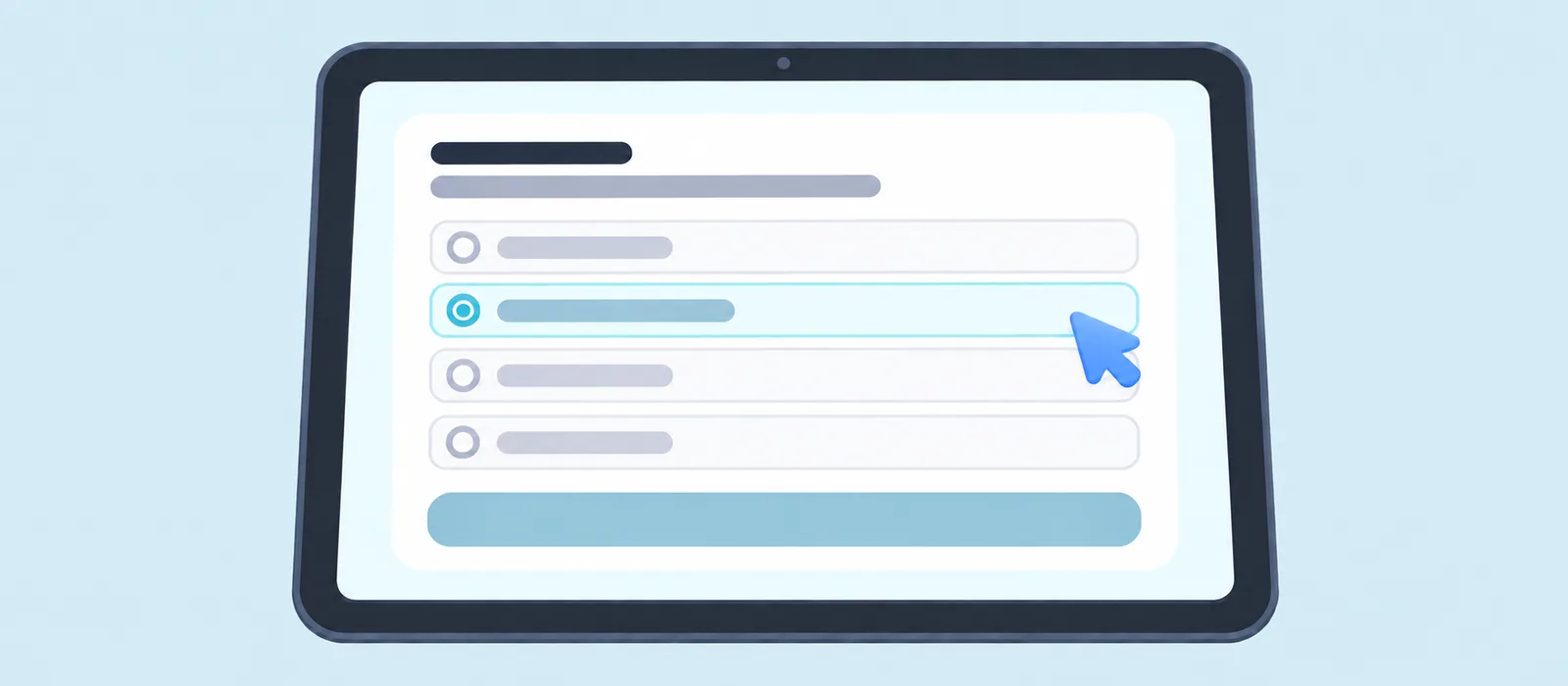
Read and respond online
Open a level-matched passage, read on screen and answer the accompanying questions in one connected flow.
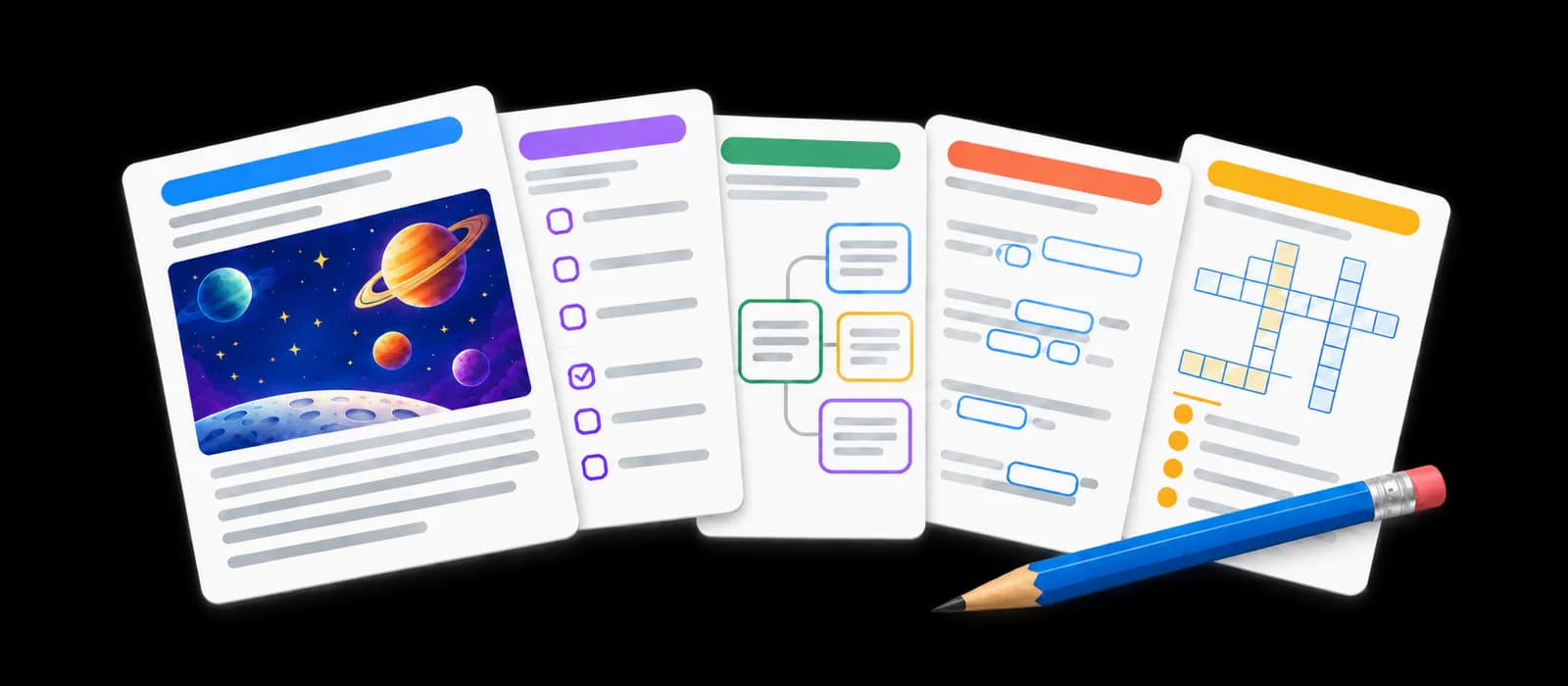
Read on paper
Use available passage PDFs and worksheets for shared reading, guided groups or focused work away from a screen.
Text difficulty, not age
An older beginner can still read about space, technology, history, or another age-appropriate topic. Choose accessible language and a suitable passage length without replacing the subject that interests them.
PicoBuddy levels describe the difficulty of the reading material. CEFR references are approximate and do not assess speaking, writing, listening, or a child’s complete English ability. Grade labels describe text difficulty and may not match a child’s age or school year.
Use it your way
Use level-based passages for independent reading, shared practice, tutoring, or extra language support.
Choose a level and a topic your child enjoys, then read, listen, and answer questions together or independently.
PicoBuddy for parentsFind material for different readers, add read-aloud support, and use questions online or on paper.
Support English learners2,000+
Ready-made passages
1,200+
Schools & classrooms
50k+
PDFs downloaded
From the PicoBuddy community
“I built a whole week of reading in one prep period.”
“My son finally asks to read. The topics hook him.”
Start at the right level
Create a free adult account and help each reader begin with a text that feels possible.
English reading level guide
PicoBuddy organizes English reading practice into four broad starting points: Beginner, Developing, Intermediate, and Advanced. Each level brings together passages with a similar reading difficulty, so parents, teachers, and tutors can compare the descriptions before opening a text.
The levels are designed as flexible routes into the existing reading library. They do not label a child or replace a formal language assessment. A reader can move between nearby levels as the topic, text length, and amount of support change.
Every level draws from an overlapping range of US grade-level text difficulty. Grade labels describe the language and structure of the text, not the reader’s age or school year. This makes it possible to offer an older beginner an age-appropriate topic written with more accessible language.
CEFR references provide only a broad reading orientation. CEFR also covers listening, speaking, and writing, so a reading passage cannot determine a learner’s complete CEFR level.
Choose the description that sounds closest, try one passage, and notice whether the reader can follow the main ideas while meeting a manageable amount of new language. If the text feels frustrating, move down. If it feels effortless, try the next level or a longer passage.
Questions teachers ask