
Egypt fact file
Research Egypt: where it is, what it is known for, three interesting facts, and a drawing.
Browse all fact fileFind English readings connected to Egypt, including a fictional Nile diary, pyramid Reader’s Theater, an opinion piece about tomb tourism, and an explanatory article.
Explore readings connected to Egypt, including a fictional Nile diary, an opinion piece about tomb tourism, and an informational article about an insect. Compare their text types and discuss how each provides a different kind of information or perspective.
 My Day on the NileLower Elementary · Diary Entry • FictionEgypt
 The Little Sun BeetleLower Elementary · Explanatory Article • InformationalEgypt
 A Kid's First Pyramid ViewUpper Elementary · Reader's TheaterEgypt
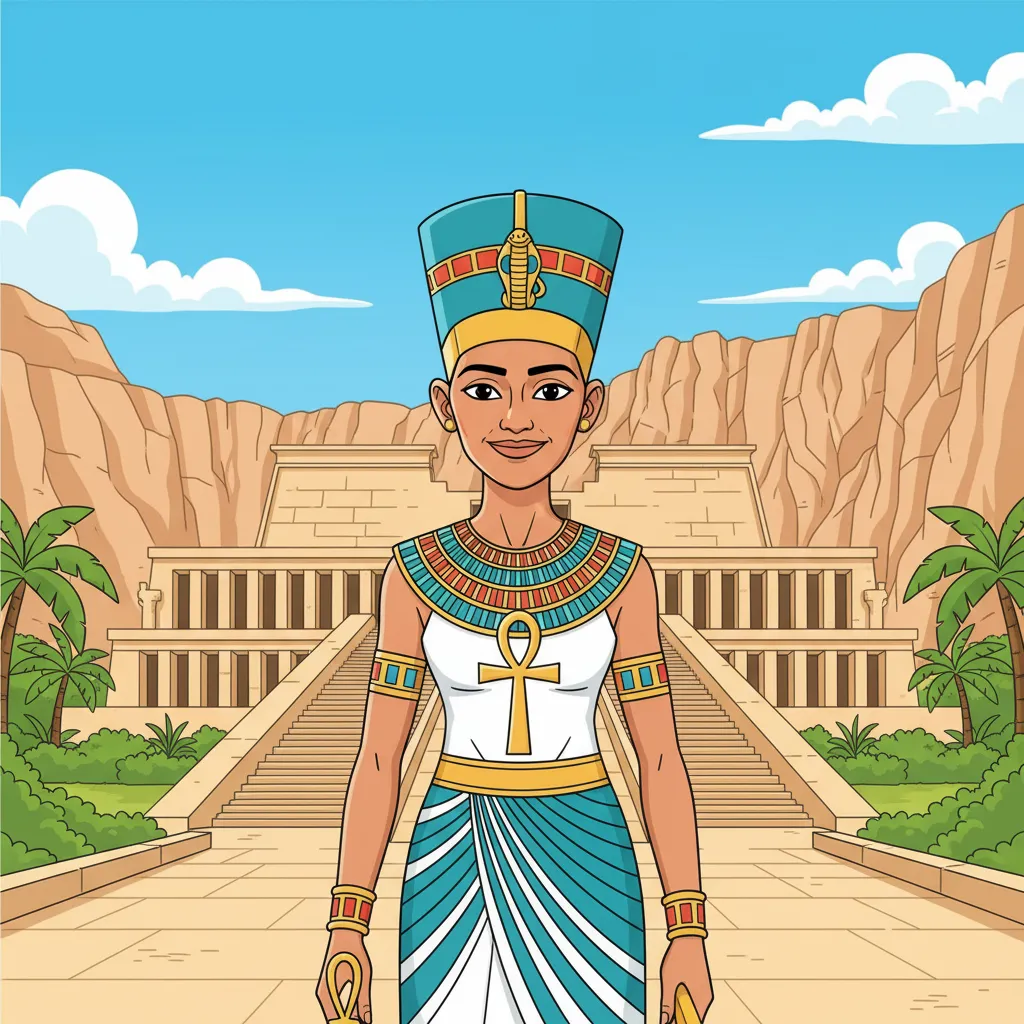 Hatshepsut: The Female PharaohUpper Elementary · BiographyEgypt
 How to Make Koshary: Egypt's Favorite Street FoodUpper Elementary · How-To / Procedural • Functional TextsEgypt
 The Mighty Nile: The River That Built EgyptUpper Elementary · Explanatory Article • InformationalEgypt
 The Scribe's Sacred InkUpper Elementary · Reader's TheaterEgypt
 Welcome to the Grand Egyptian MuseumUpper Elementary · Announcement • Functional TextsEgypt
 Breathing Away the Past: Why We Must Limit Tomb TourismMiddle School · Opinion Piece • Opinion / ArgumentativeEgypt
 The Golden Tomb: Howard Carter's Quest for TutankhamunMiddle School · BiographyEgypt
 The Great Sphinx of Giza: Art, History, and PreservationMiddle School · Report • InformationalEgypt
 Where Continents Meet: The Geography and Culture of the Sinai PeninsulaMiddle School · InformationalEgypt
Use a fact file to gather details from the explanatory article, then compare the fictional diary narrator with the speakers in Reader’s Theater.
One PDF with the reading passages, puzzles and worksheets you pick — start from a grade level and adjust from there, with the answer keys at the back.
Research Egypt: where it is, what it is known for, three interesting facts, and a drawing.
Browse all fact fileWrite what you already know about Egypt, what you want to find out, and what you learned.
Browse all kwl chartPlan a story set in Egypt: characters, setting, problem, what happens first, next, and last, and how it ends.
Browse all story mapPut Egypt in the middle and collect words and ideas connected to it.
Browse all word webUse a Venn diagram to compare two places, landmarks, animals, traditions, or other features from Egypt.
Browse all compare two things from egyptWrite an acrostic poem using the letters in the name Egypt.
Browse all acrostic poemPrintable word puzzles built from Egypt words — download as PDF, answer key included.
8×8 grid · 6 words across and down · answer key included
10×10 grid · 8 words with diagonals · answer key included
12×12 grid · 10 words with backwards words · answer key included
No printer at hand? Play the Egypt word search right here on screen — free.
Egypt is located in northeast Africa, with a peninsula (the Sinai Peninsula) extending into Western Asia.
The Nile River, which flows northward through Egypt, is historically vital for agriculture and the development of ancient Egyptian civilization.
The ancient Giza Plateau near Cairo is home to the Great Pyramid and the Great Sphinx.
These readings connect Egypt with particular places and subjects through fiction, opinion, and informational writing. Compare the imagined perspective of the Nile diary with the tourism argument and insect article. Each offers a different reading task and viewpoint. Readers can cite details from each text to explain their comparisons and support their ideas.
My Day on the Nile is a Lower Elementary fictional diary entry. Invite readers to describe the narrator’s perspective and compare it with information in the insect article. A Kid’s First Pyramid View is an Upper Elementary Reader’s Theater selection. Ask readers to compare the diary narrator with the script’s speakers, using details from each text.
The Middle School opinion piece Breathing Away the Past: Why We Must Limit Tomb Tourism presents a position that readers can identify and evaluate for reasons. The Little Sun Beetle is an explanatory informational article. Have students make two columns: details explained by the article and claims argued in the opinion piece. A fact file can collect attributed information; a facts-and-opinions organizer can support the comparison. Together, these texts give readers a chance to compare explanation with argument. Explore Africa for more place-based readings. For broader geography topics, browse the geography reading collection.