
Trace Traditional African Musical Instruments
illustrated worksheet · Grades 1–2
Students trace the shapes of a djembe, talking drum, and shekere.
Explore Africa through English readings connected to places across the continent. Compare text types, choose a passage, and plan a focused discussion or writing response.
Continue one level deeper. Each card includes readings and places from everything nested below it.
Compare fiction, informational reading, and functional text by its place, grade band, and text type.
 A New Friend at Boulders BeachLower Elementary · Short Story • FictionSouth Africa
 How to Go on a SafariLower Elementary · How-To / Procedural • Functional TextsSouth Africa
 My Day on the NileLower Elementary · Diary Entry • FictionEgypt
 The Big Green BowlLower Elementary · Reader's TheaterTanzania
 The Little Sun BeetleLower Elementary · Explanatory Article • InformationalEgypt
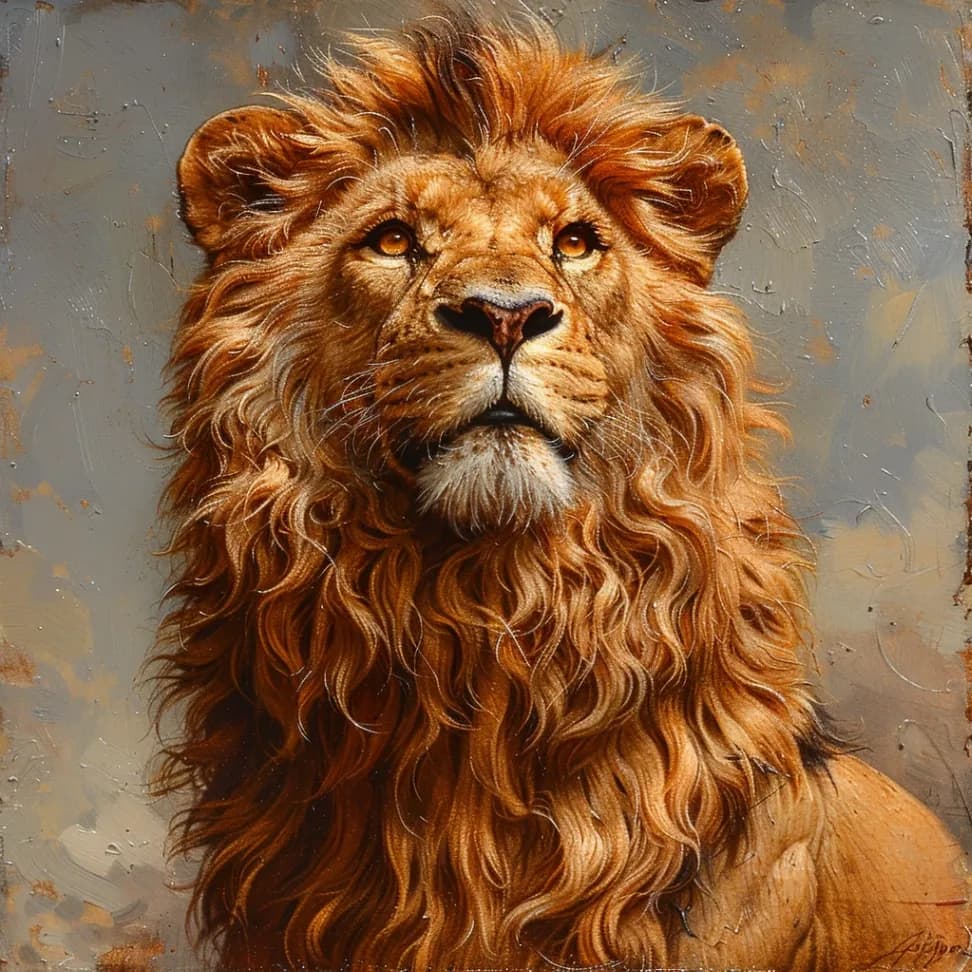 The Mighty LionLower Elementary · InformationalAfrica
 The Sweet Smells of Stone TownLower Elementary · Short Story • FictionTanzania
 The Upside-Down TreeLower Elementary · Reader's TheaterSouth Africa
 A Kid's First Pyramid ViewUpper Elementary · Reader's TheaterEgypt
 Amazing ElephantsUpper Elementary · InformationalAfrica
 Hatshepsut: The Female PharaohUpper Elementary · BiographyEgypt
 How to Make Koshary: Egypt's Favorite Street FoodUpper Elementary · How-To / Procedural • Functional TextsEgypt
 Journey to the Swahili Coast: Kilwa Kisiwani ExpeditionUpper Elementary · Advertisement • Functional TextsTanzania
 Rhythms of the Lake: My Diary in MwanzaUpper Elementary · Diary Entry • FictionTanzania
 South African Football LegendsUpper Elementary · InformationalSouth Africa
 The Fire-Defying Wonders of Table MountainUpper Elementary · Explanatory Article • InformationalSouth Africa
 The Great Wildebeest MigrationUpper Elementary · Explanatory Article • InformationalTanzania
 The Mighty Nile: The River That Built EgyptUpper Elementary · Explanatory Article • InformationalEgypt
 The Painted Homes of the NdebeleUpper Elementary · InformationalSouth Africa
 The Scribe's Sacred InkUpper Elementary · Reader's TheaterEgypt
 The Vibrant World of the MaasaiUpper Elementary · InformationalTanzania
 Ubuntu: The Power of 'I Am Because We Are'Upper Elementary · InformationalSouth Africa
 Welcome to the Grand Egyptian MuseumUpper Elementary · Announcement • Functional TextsEgypt
 African Spring: A Time of RenewalMiddle School · InformationalAfrica
Showing 24 of 38
Free printable coloring pages about Africa — each one comes with a short reading passage and a quiz.
After reading, use a fact file or KWL chart to collect details and questions, then plan a short written response.
One PDF with the reading passages, puzzles and worksheets you pick — start from a grade level and adjust from there, with the answer keys at the back.
Research Africa: where it is, what it is known for, three interesting facts, and a drawing.
Browse all fact fileWrite what you already know about Africa, what you want to find out, and what you learned.
Browse all kwl chartPlan a story set in Africa: characters, setting, problem, what happens first, next, and last, and how it ends.
Browse all story mapPut Africa in the middle and collect words and ideas connected to it.
Browse all word webUse a Venn diagram to compare two places, landmarks, animals, traditions, or other features from Africa.
Browse all compare two things from africaWrite an acrostic poem using the letters in the name Africa.
Browse all acrostic poemPrintable word puzzles built from Africa words — download as PDF, answer key included.
8×8 grid · 6 words across and down · answer key included
10×10 grid · 8 words with diagonals · answer key included
12×12 grid · 10 words with backwards words · answer key included
No printer at hand? Play the Africa word search right here on screen — free.
Africa is the world's second-largest continent, both in land area and population.
The Nile River, which flows through northeastern Africa, is widely recognized as one of the longest river systems in the world.
The Sahara, covering much of northern Africa, is the largest hot desert on Earth.
This continent collection brings together readings connected to several places and text types. Use the map to set a geographic frame, then choose a passage by its label and topic. A continent page gathers place-based material; it does not make every text a description of the whole continent.
A New Friend at Boulders Beach is labeled a Lower Elementary short story, while The Mighty Lion is informational and also labeled Lower Elementary. Ask readers to notice how each text presents its subject: through a fictional story or an informational approach. For an older group, A Kid's First Pyramid View is an Upper Elementary Reader's Theater connected to Egypt.
Have students name the location shown on the reading card, then identify a detail from the passage that supports what they learned. Compare the fictional and informational choices, or invite students to explain which format helped them follow the topic. Check the passage itself and its questions before setting a level or lesson goal.
Use a fact file or KWL chart to organize observations and questions. For broader topic-led selections, browse geography reading passages; for available printable formats, review worksheets. For a wider geographic view, open the world reading map.


