
city
5 readings
Tokyo
Explore Tokyo through city-connected fiction, informational readings, and biography. Compare text types and plan a focused discussion or written response.
Explore all readingsFind English readings connected to places across Asia, including fiction, informational texts, and instructions. Compare text types and choose a passage for discussion or writing.
Continue one level deeper. Each card includes readings and places from everything nested below it.
Showing 4 of 6
These places include every published city, landmark, and natural feature nested anywhere inside Asia.
Compare informational, fictional, and functional texts connected to places across Asia.
 How to Feed the Deer at Nara ParkLower Elementary · How-To / Procedural • Functional TextsJapan
 How to Get Ready for Chinese New YearLower Elementary · Instructions • Functional TextsChina
 How to Make Halo-HaloLower Elementary · How-To / Procedural • Functional TextsPhilippines
 How to Make Num Ansom ChekLower Elementary · How-To / Procedural • Functional TextsCambodia
 Leo's Ride in the SkyLower Elementary · Short Story • FictionSingapore
 My Best Day at the ParadeLower Elementary · Diary Entry • FictionSingapore
 My Jaipur Diwali DiaryLower Elementary · Diary Entry • FictionIndia
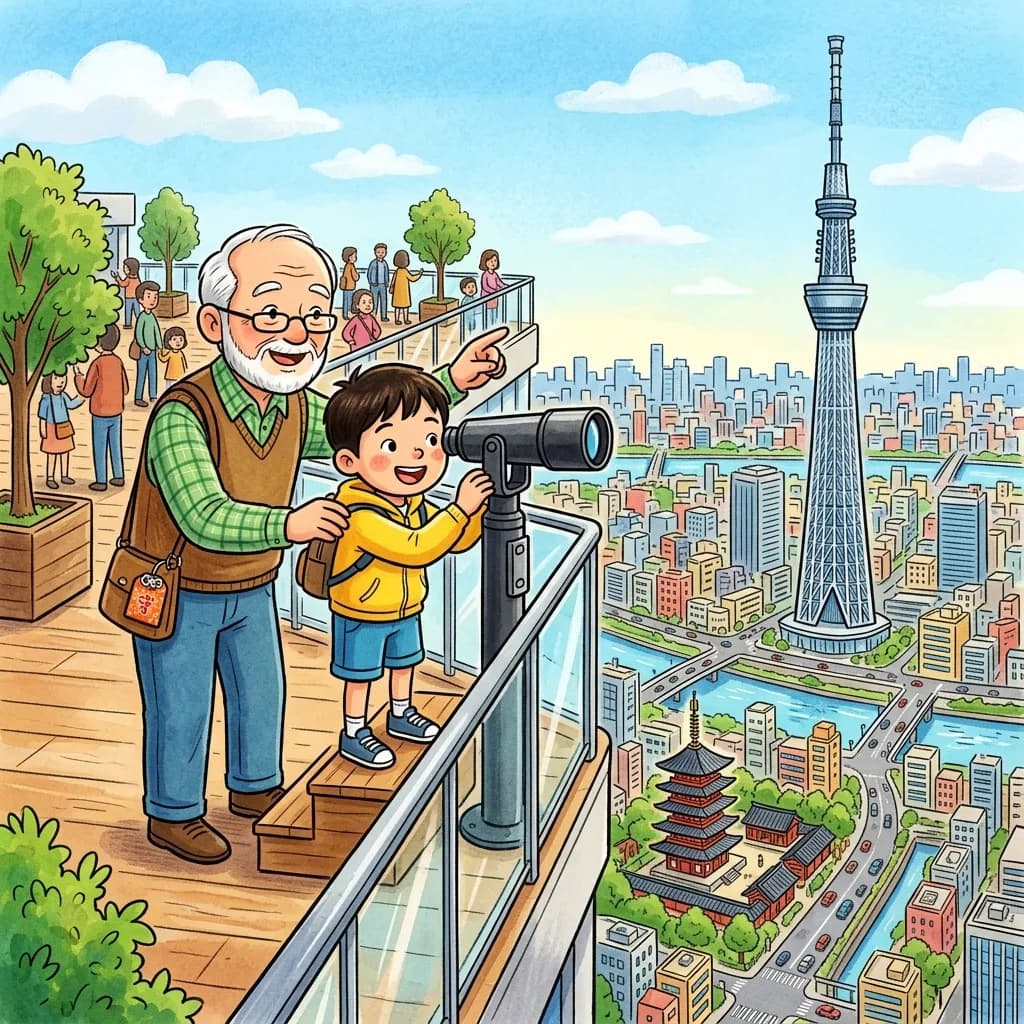
 My Palace AdventureLower Elementary · Diary Entry • FictionCambodiaOld Temples and Tall TowersLower Elementary · Short Story • FictionTokyo
 Our Big School ShowLower Elementary · Reader's TheaterSingapore
 The Big City on the RiversLower Elementary · Report • InformationalCambodia
 The Boy Who Chased RocketsLower Elementary · BiographyIndia
 The Colorful JeepneyLower Elementary · InformationalPhilippines
 The Giant Pandas of the Misty MountainsLower Elementary · Explanatory Article • InformationalChina
 The Great RaceLower Elementary · Reader's TheaterChina
 The Great Wall of China for KidsLower Elementary · InformationalChina
 The Green StepsLower Elementary · Short Story • FictionPhilippines
 The Song of the SanshinLower Elementary · Short Story • FictionJapan
 The Swimming Tigers of the SundarbansLower Elementary · InformationalIndia
 The Wise Monkeys of NikkoLower Elementary · InformationalJapan
 Tora's Tasty SecretLower Elementary · FictionJapan
 Visiting the MerlionLower Elementary · Announcement • Functional TextsSingapore
 A Kid's Guide to Eating at a Singaporean Hawker CenterUpper Elementary · How-To / Procedural • Functional TextsSingapore
 Asia's Amazing Climate ZonesUpper Elementary · InformationalAsia
Showing 24 of 82
Use a fact file to collect passage details or a KWL chart to organize questions before and after reading.
One PDF with the reading passages, puzzles and worksheets you pick — start from a grade level and adjust from there, with the answer keys at the back.
Research Asia: where it is, what it is known for, three interesting facts, and a drawing.
Browse all fact fileWrite what you already know about Asia, what you want to find out, and what you learned.
Browse all kwl chartPlan a story set in Asia: characters, setting, problem, what happens first, next, and last, and how it ends.
Browse all story mapUse a Venn diagram to compare two places, landmarks, animals, traditions, or other features from Asia.
Browse all compare two things from asiaWrite an acrostic poem using the letters in the name Asia.
Browse all acrostic poemPrintable word puzzles built from Asia words — download as PDF, answer key included.
8×8 grid · 6 words across and down · answer key included
10×10 grid · 8 words with diagonals · answer key included
12×12 grid · 10 words with backwards words · answer key included
No printer at hand? Play the Asia word search right here on screen — free.
Asia is the largest continent on Earth, covering about 30 percent of the world's total land area.
It is home to Mount Everest, the highest mountain peak in the world, located in the Himalayas.
Asia contains some of the world's oldest continuous civilizations, with deep historical roots in river valleys like the Indus and the Yangtze.
The Asia collection connects passages to places including Japan, China, Singapore, and India. It spans a continent, so use each reading’s location and text-type label to choose a specific focus rather than treating one passage as a guide to all of Asia.
How to Feed the Deer at Nara Park is labeled Lower Elementary how-to/procedural functional text and is connected to Japan. Leo's Ride in the Sky is a Lower Elementary short story connected to Singapore. Ask readers to compare how the instructions are organized with how a fictional reading tells its story.
How to Get Ready for Chinese New Year is labeled Lower Elementary instructions and functional text, connected to China. Have students identify the action sequence and explain which details help a reader follow it. They can then compare the purpose of instructions with the purpose of a story, citing evidence from both passages.
A fact file can hold details about a chosen reading, while a KWL chart can surface questions to revisit. Browse geography reading passages for a topic-first route, or check the available worksheets for printable follow-ups. For a wider geographic view, open the world reading map.