
Loading articles…
Loading articles…
Explore reading strategies, classroom activities and homeschool ideas. Choose a topic or browse the latest articles.
Showing 14–26 of 69 articles
Mark International Literacy Day with one purposeful text and four flexible activity lenses connecting literacy to people, places, the planet, and a real audience.
A library card can make reading at home easier, especially when your child helps choose what comes home. Use September’s Library Card Sign-Up Month to build a simple routine around interest, access, and the right kind of follow-up.

Help a child ask, listen, take notes, and write one respectful family story with a grandparent, grandfriend, or other trusted adult.
Turn National Preparedness Month into a calm homeschool reading mini-unit: use one trustworthy text, practice sequencing and source awareness, then complete one adult-led family check.
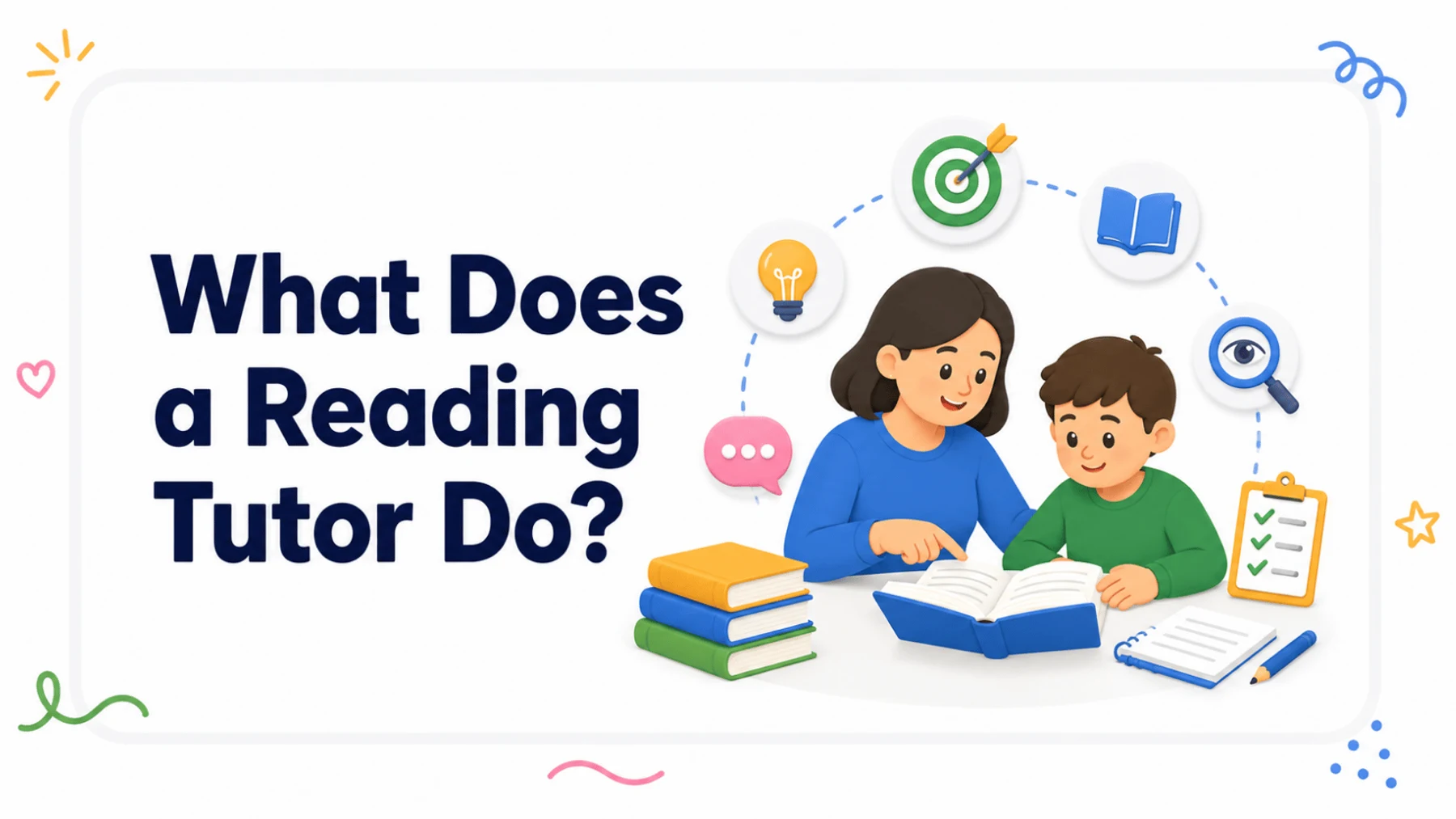
A reading tutor does more than supervise reading. The tutor identifies a useful skill target, teaches it explicitly, gives supported practice, watches how the student responds, and adjusts the next session.
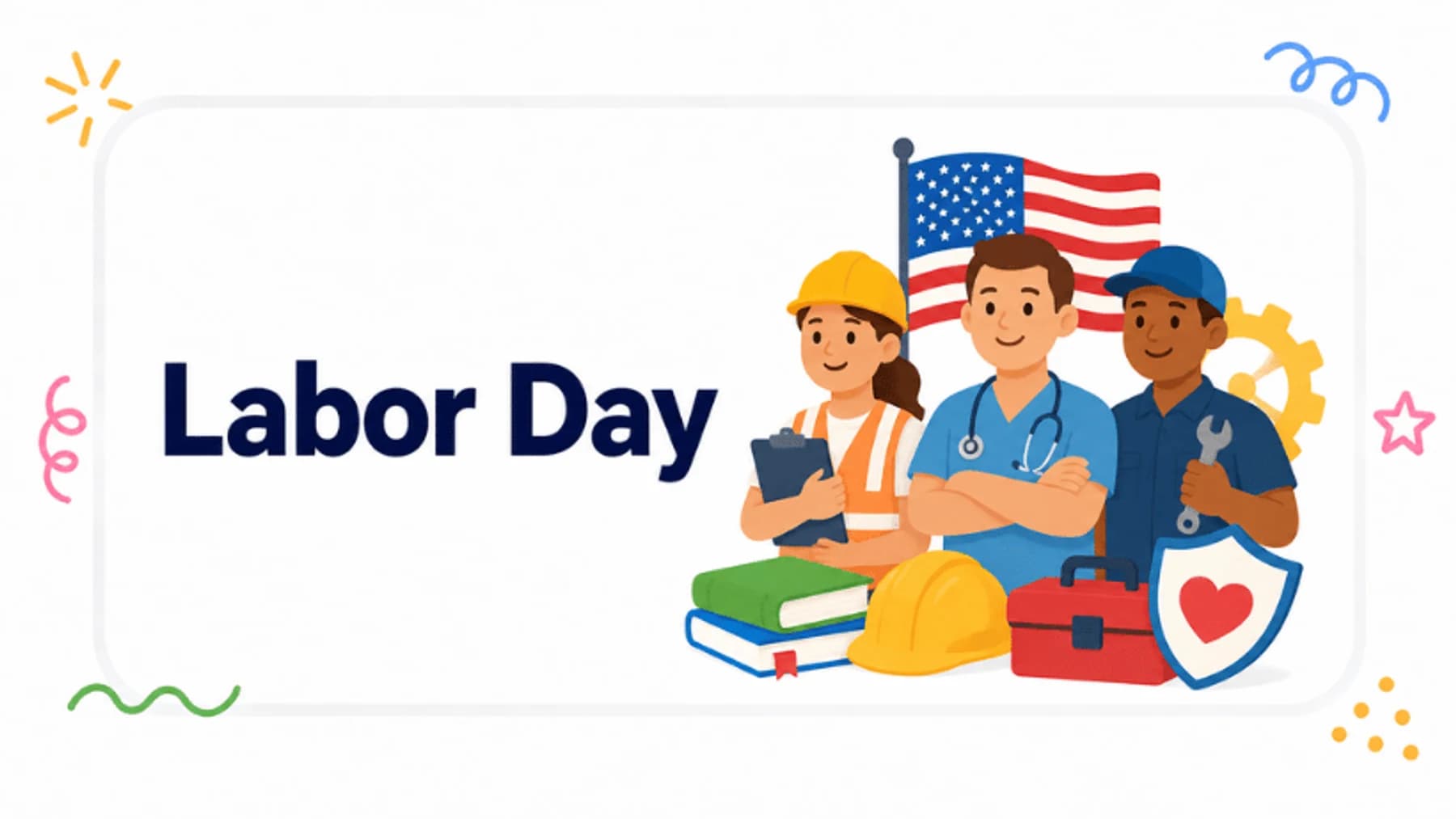
Labor Day can be more than a community-helpers lesson. Use three age-appropriate reading lenses to teach why the holiday exists, what happened at the first parade, and how the fight for shorter workdays fits into the larger history.
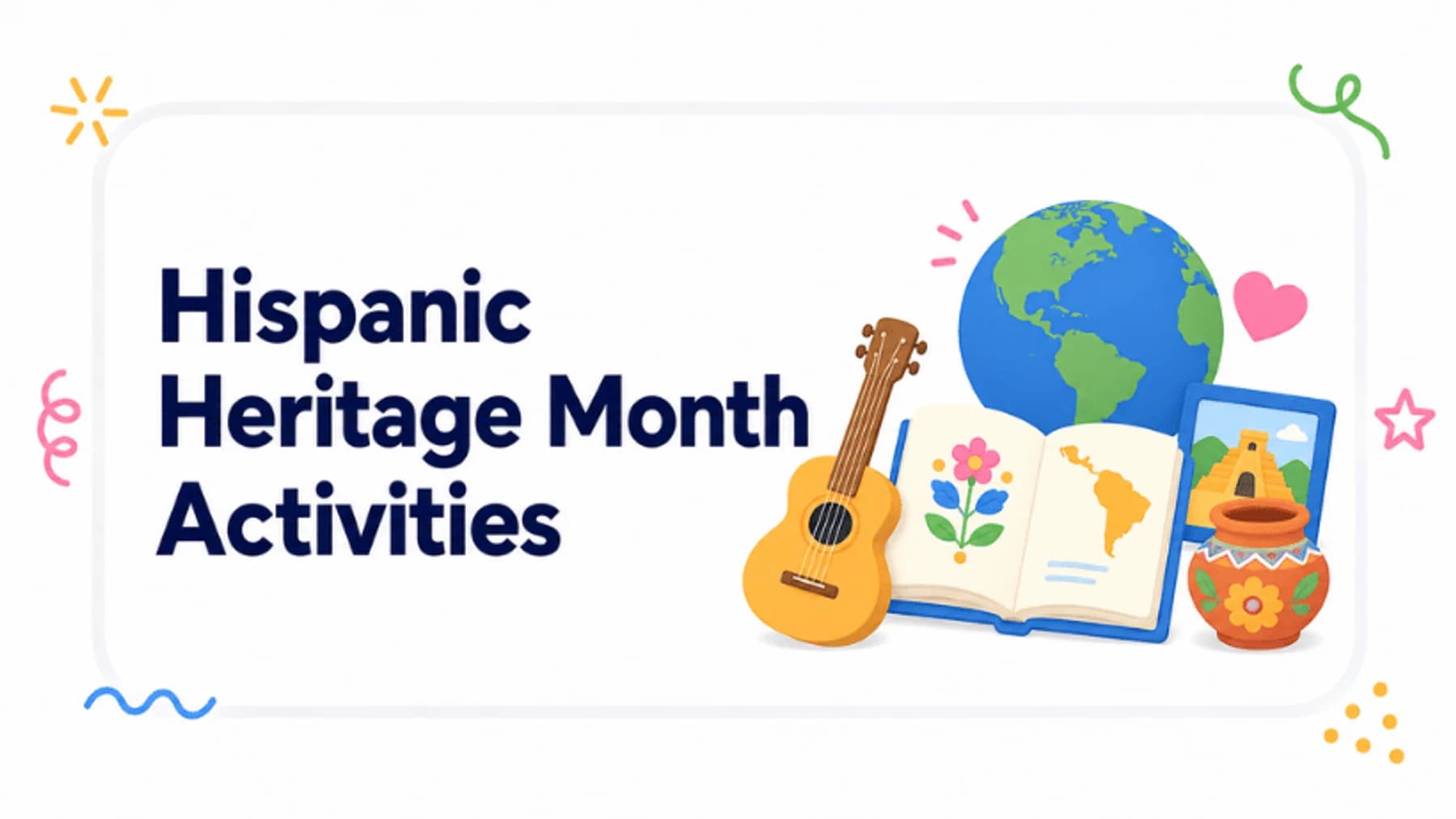
Plan Hispanic Heritage Month reading across four distinct lenses so students encounter specific histories, places, people, and cultural traditions instead of one generic version of Latino experience.
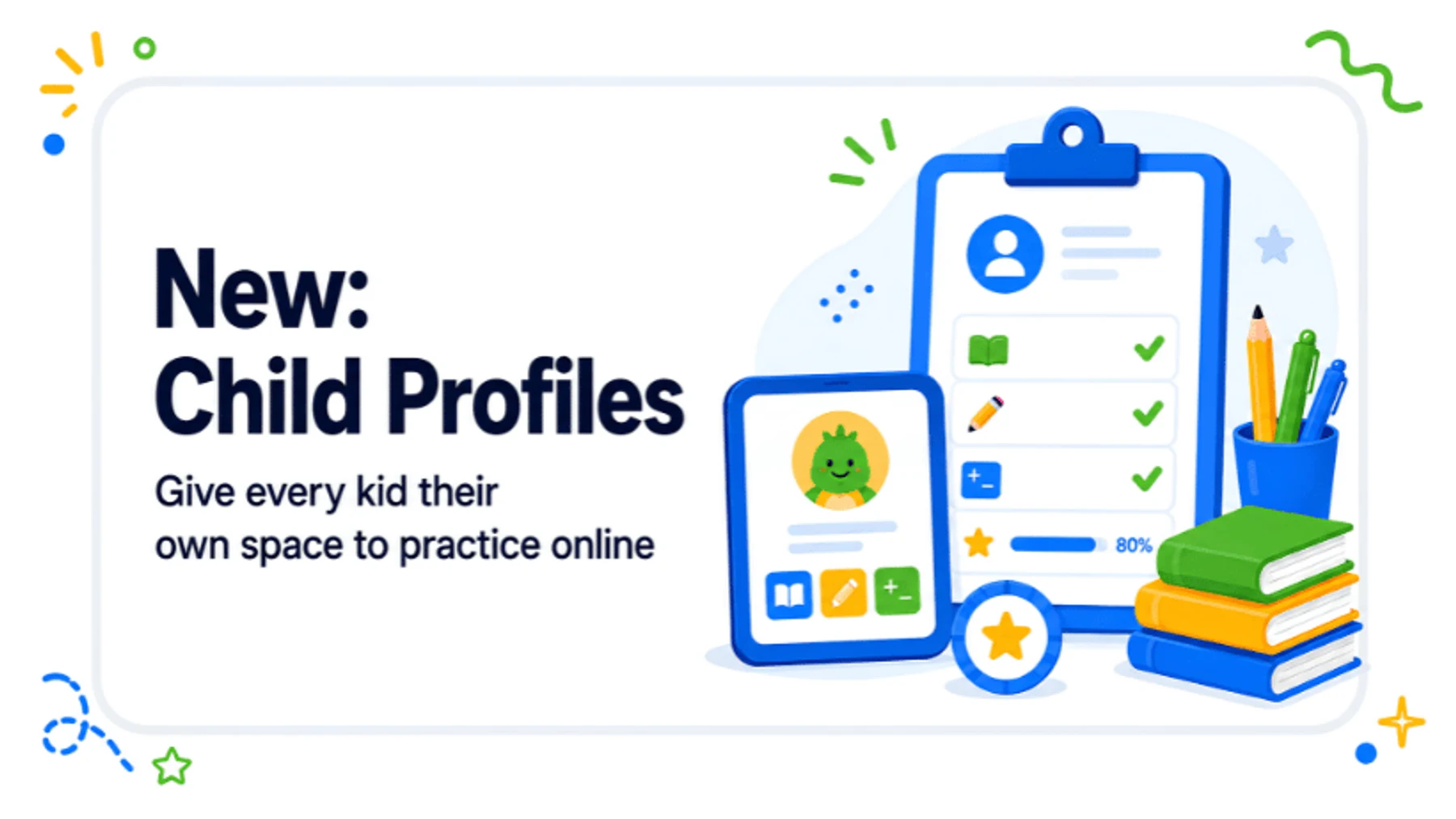
Adults can create learner profiles, prepare reading practice and review available results. Children use a separate login by personal link, QR code or short-lived pairing code; profile and login limits are checked separately.
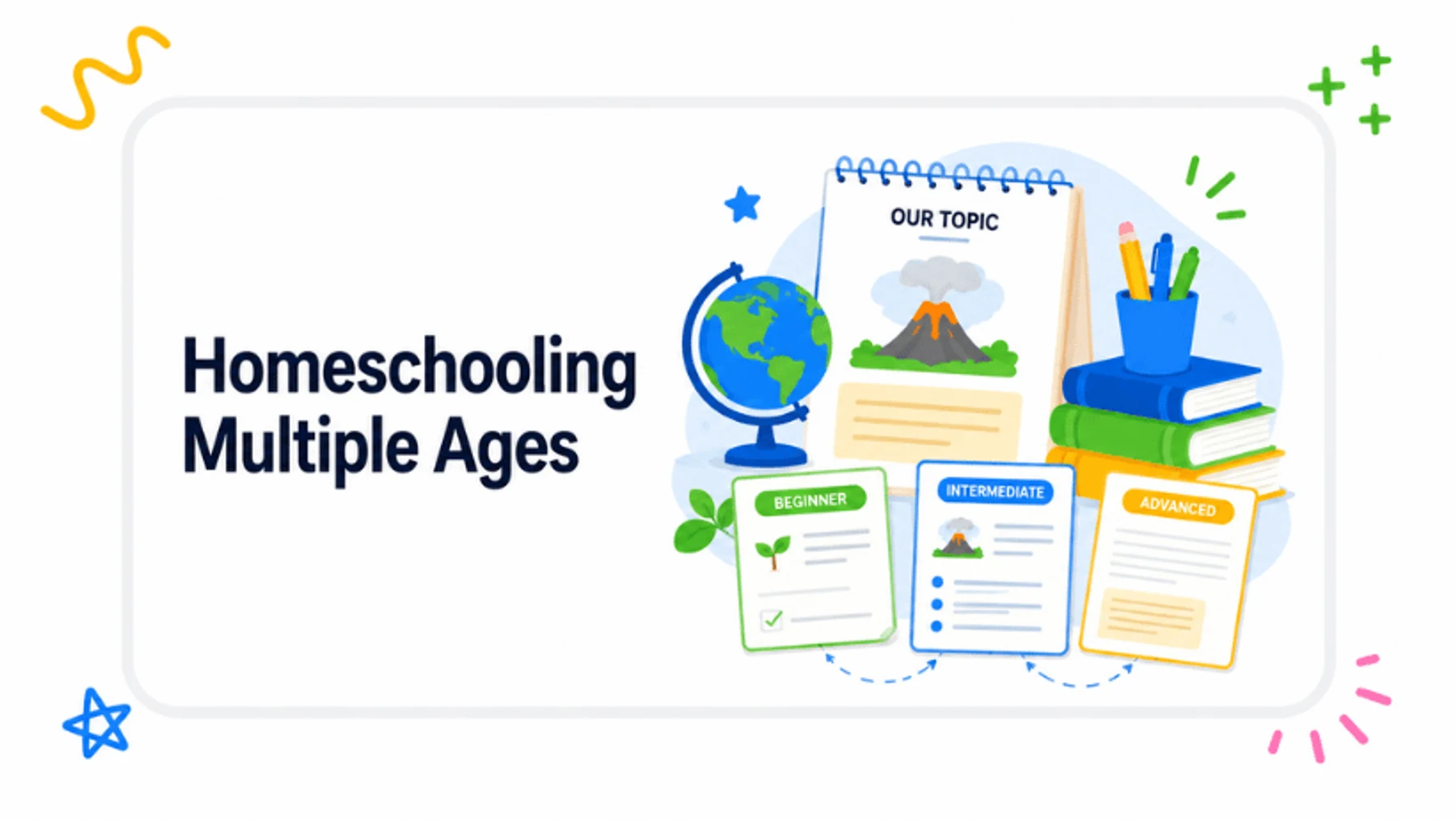
Homeschooling several ages does not require running several separate school days. Share content where it helps, keep sequential skills individual, and rotate your direct attention.
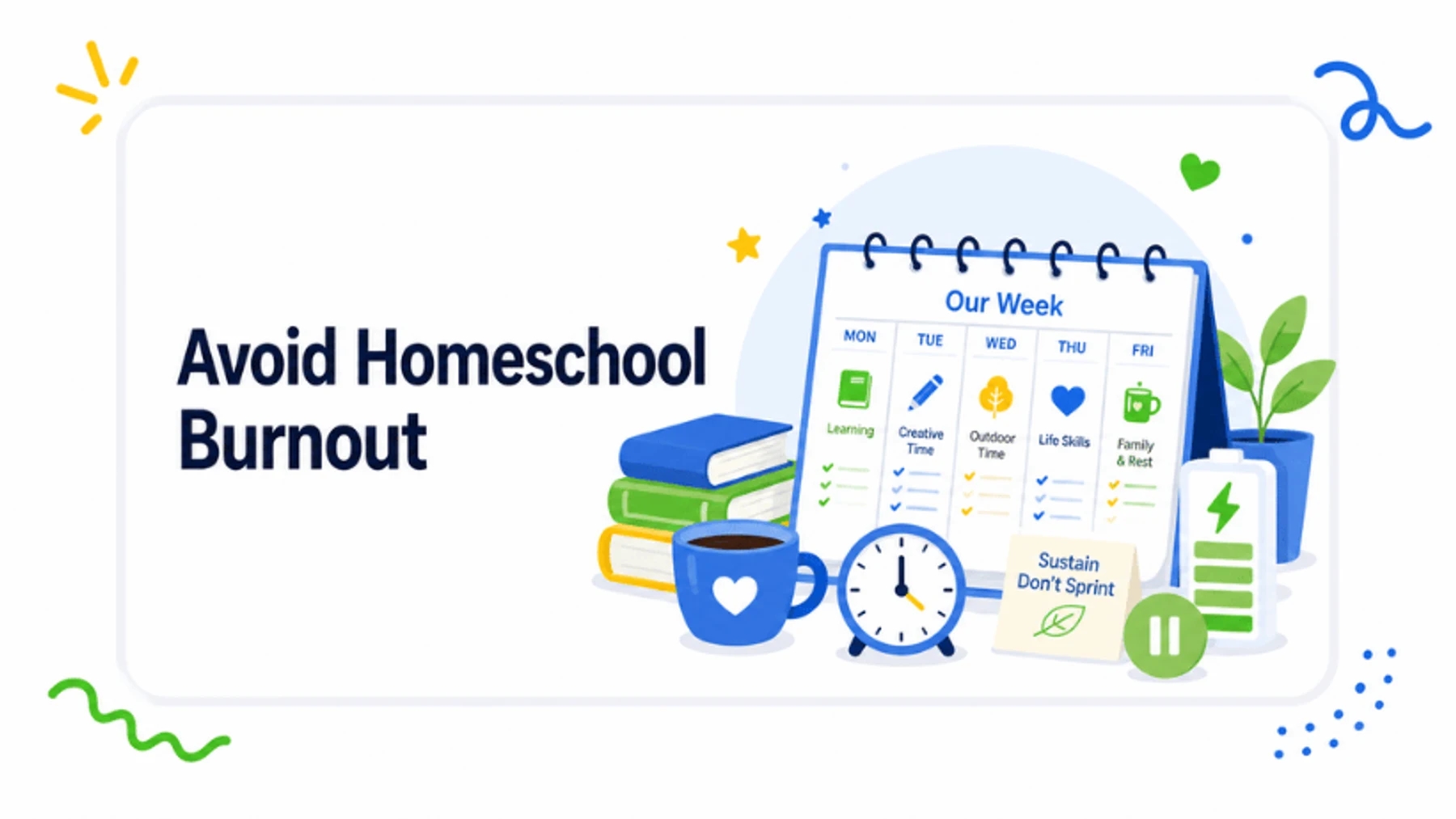
Burnout often grows from too many moving parts, not one bad lesson. Audit the week, simplify the hidden workload, and protect the parent's attention as a limited resource.
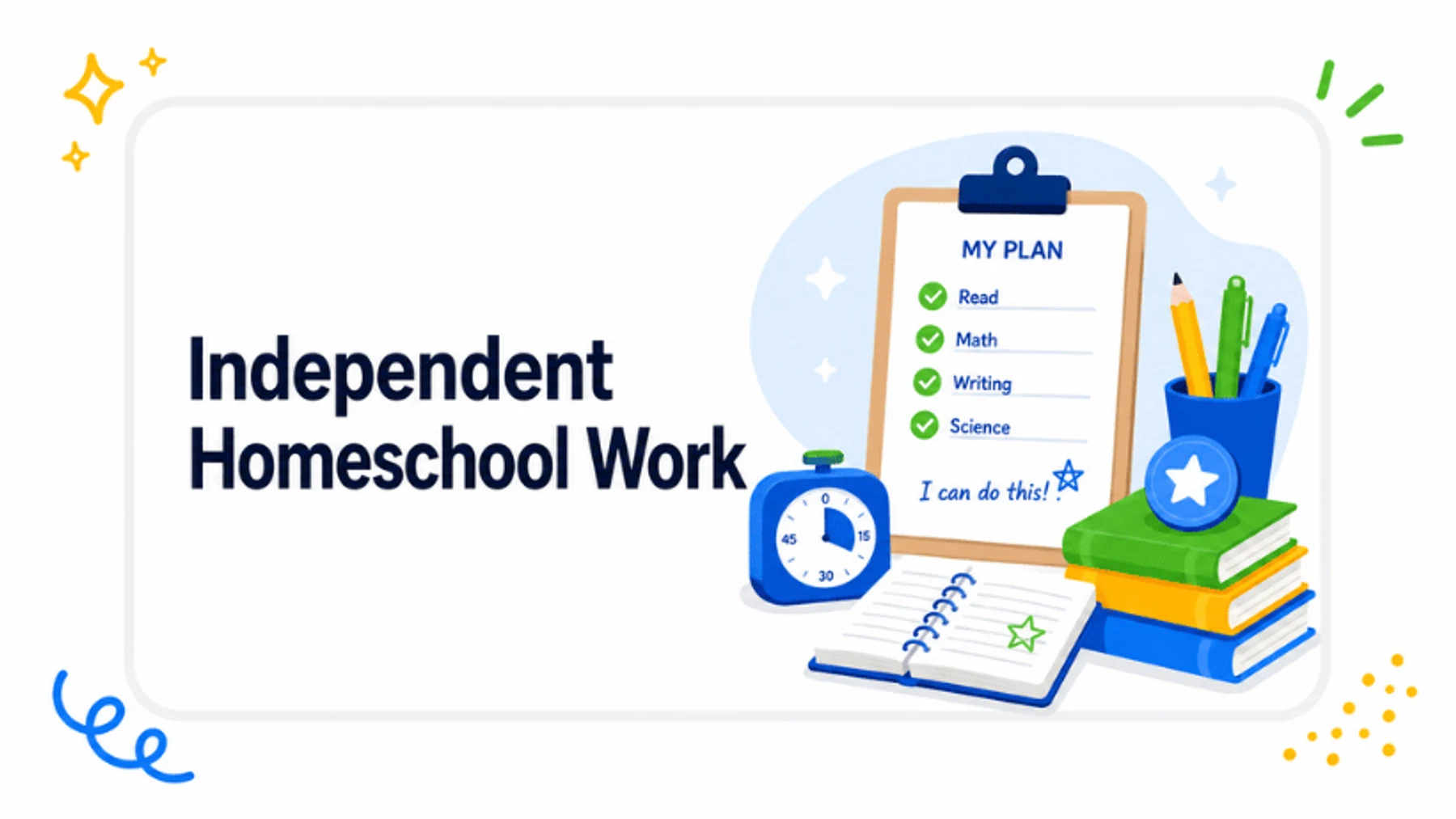
Independence is not doing everything alone. Build it in stages: do with me, start with me, check in, then show me when done.
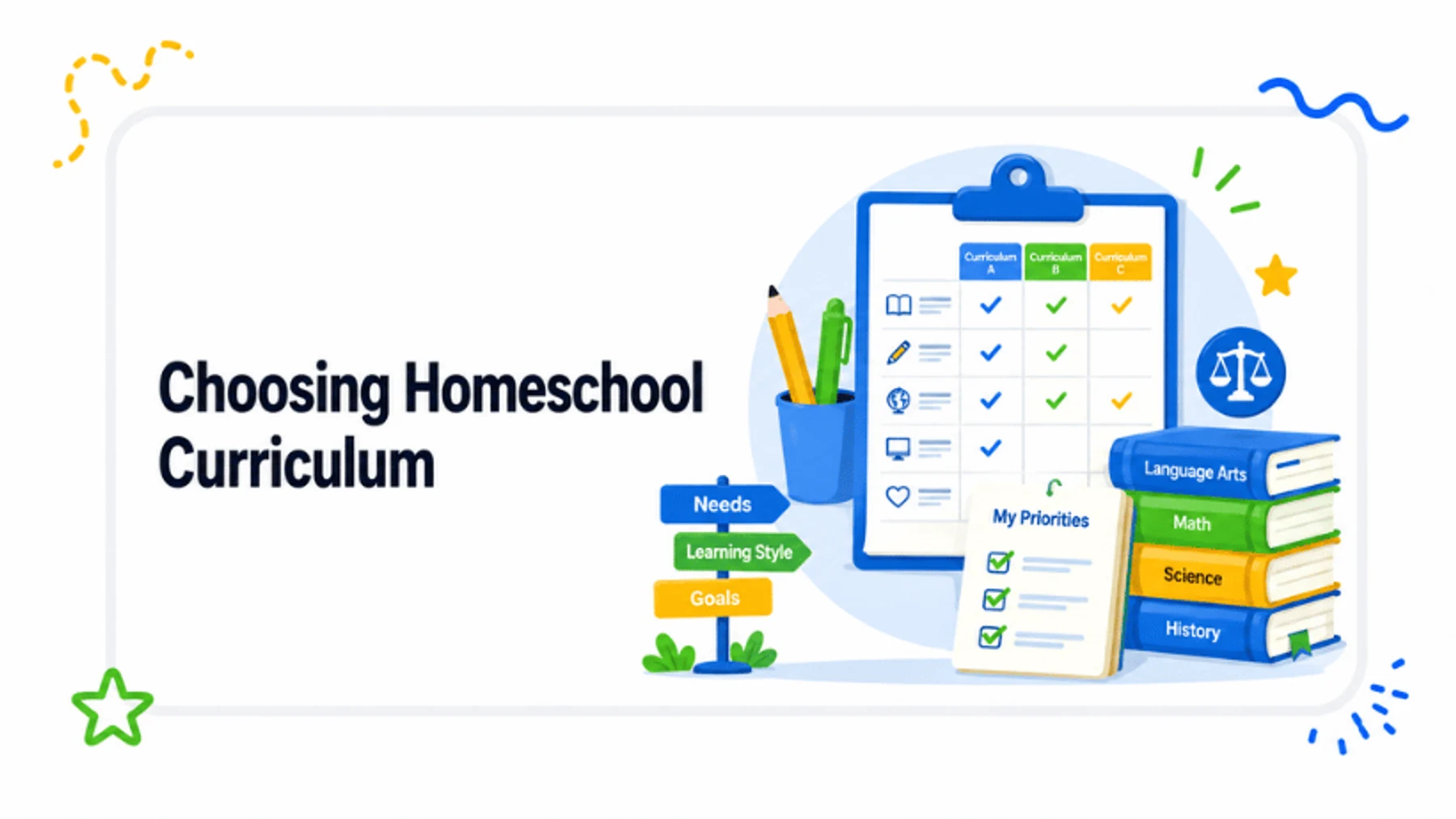
Choose curriculum for fit, not for the longest feature list. Start with your child's needs, your teaching reality, workload, sequence, flexibility, and what still needs a supplement.
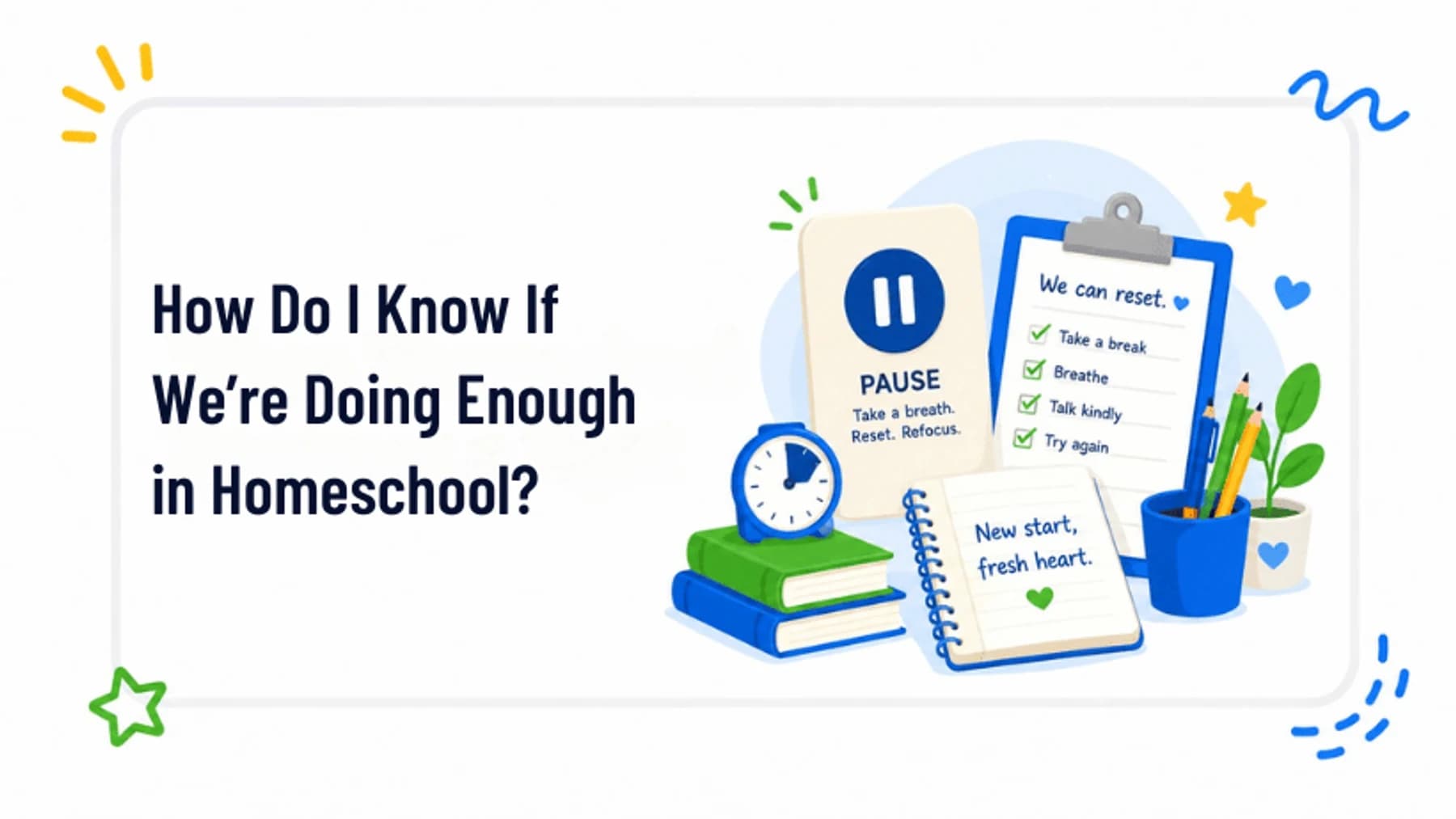
“Enough” is easier to judge by progress, consistency, appropriate challenge, breadth, and sustainability than by copying another family's timetable.