
Loading articles…
Loading articles…
Explore reading strategies, classroom activities and homeschool ideas. Choose a topic or browse the latest articles.
Showing 27–39 of 69 articles
Build a homeschool schedule around priorities, energy, transitions, and flexibility instead of trying to fit every subject into every day.
Build a homeschool week around priorities, family rhythm, independence, shared learning, and enough flexibility to keep the system working in real life.
Refusal is a signal, not a diagnosis. Check difficulty, task length, fatigue, timing, transitions, clarity, and the pattern around the work before deciding what to change.
Repeated battles over homeschool work are information. Use the pattern to separate task difficulty, fatigue, transitions, expectations, and relationship strain before deciding what to change.
You do not need every subject every day. Keep a few priorities consistent and rotate the rest when that improves focus and reduces transitions.
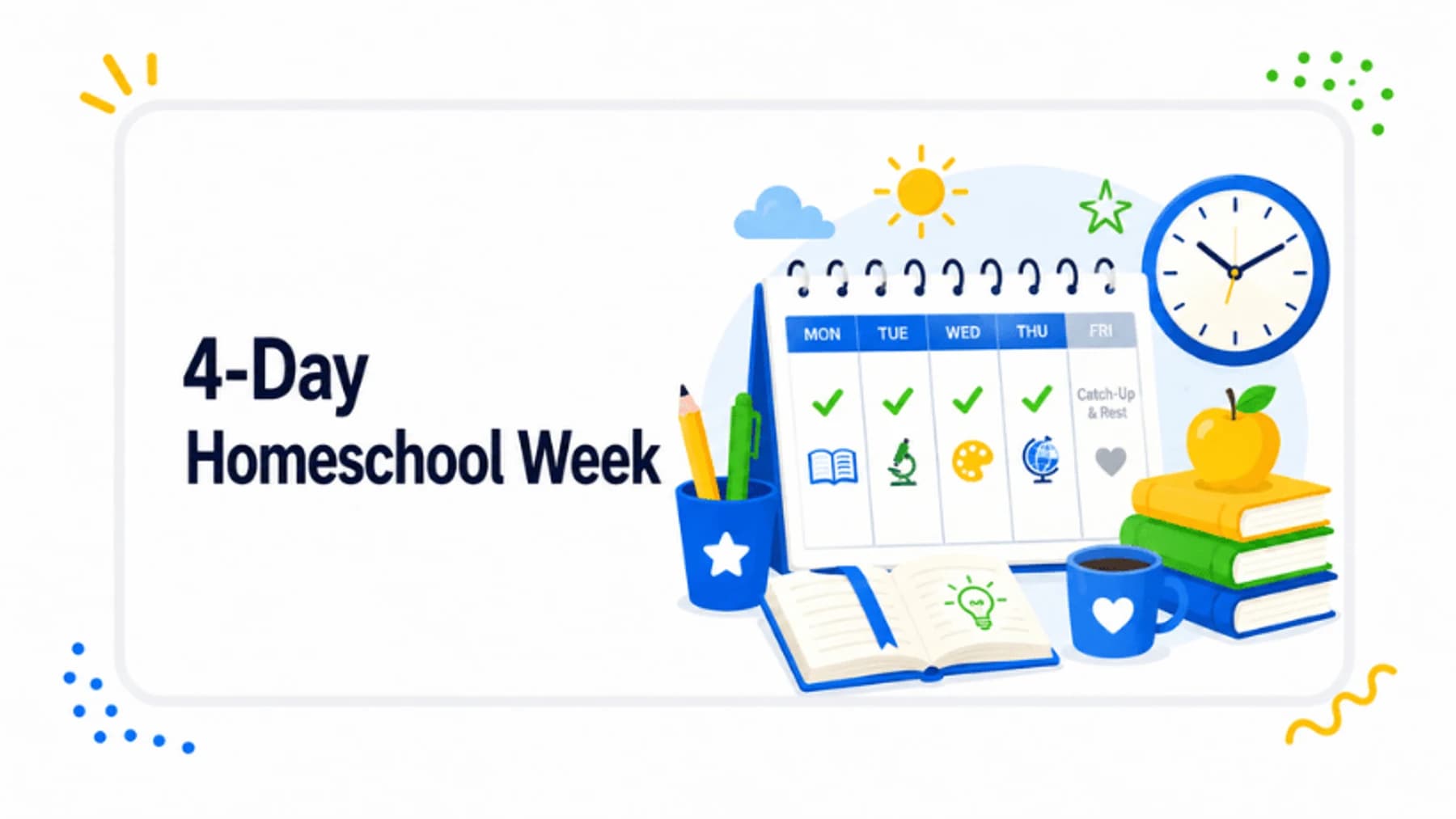
A 4-day homeschool week can work when the weekly goals fit, the fifth day has a clear role, and the routine is sustainable.
Homeschool does not need to fill a traditional school day. Judge the length by focused learning, age, independence, weekly goals, and whether the routine is sustainable.
Constitution Day does not need to become a separate civics unit. Use one clear reading passage, a few focused comprehension questions, and one meaningful extension to fit September 17 naturally into your reading block.
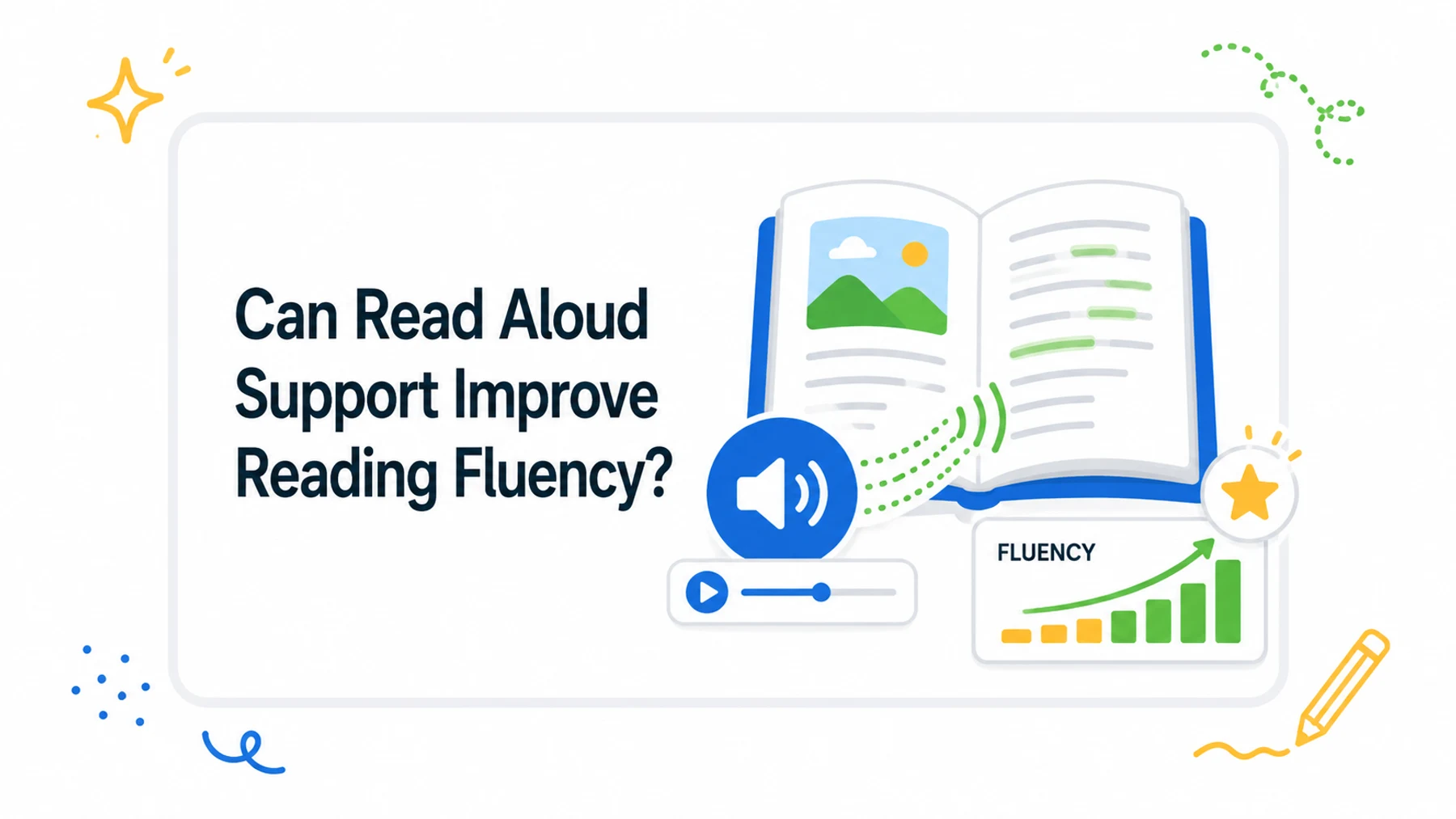
Read aloud support can help students hear fluent reading, reread with more confidence, and improve pacing, phrasing, expression, and comprehension.
Learn how parents can use read aloud passages at home to support comprehension, fluency, confidence, and calmer reading practice.
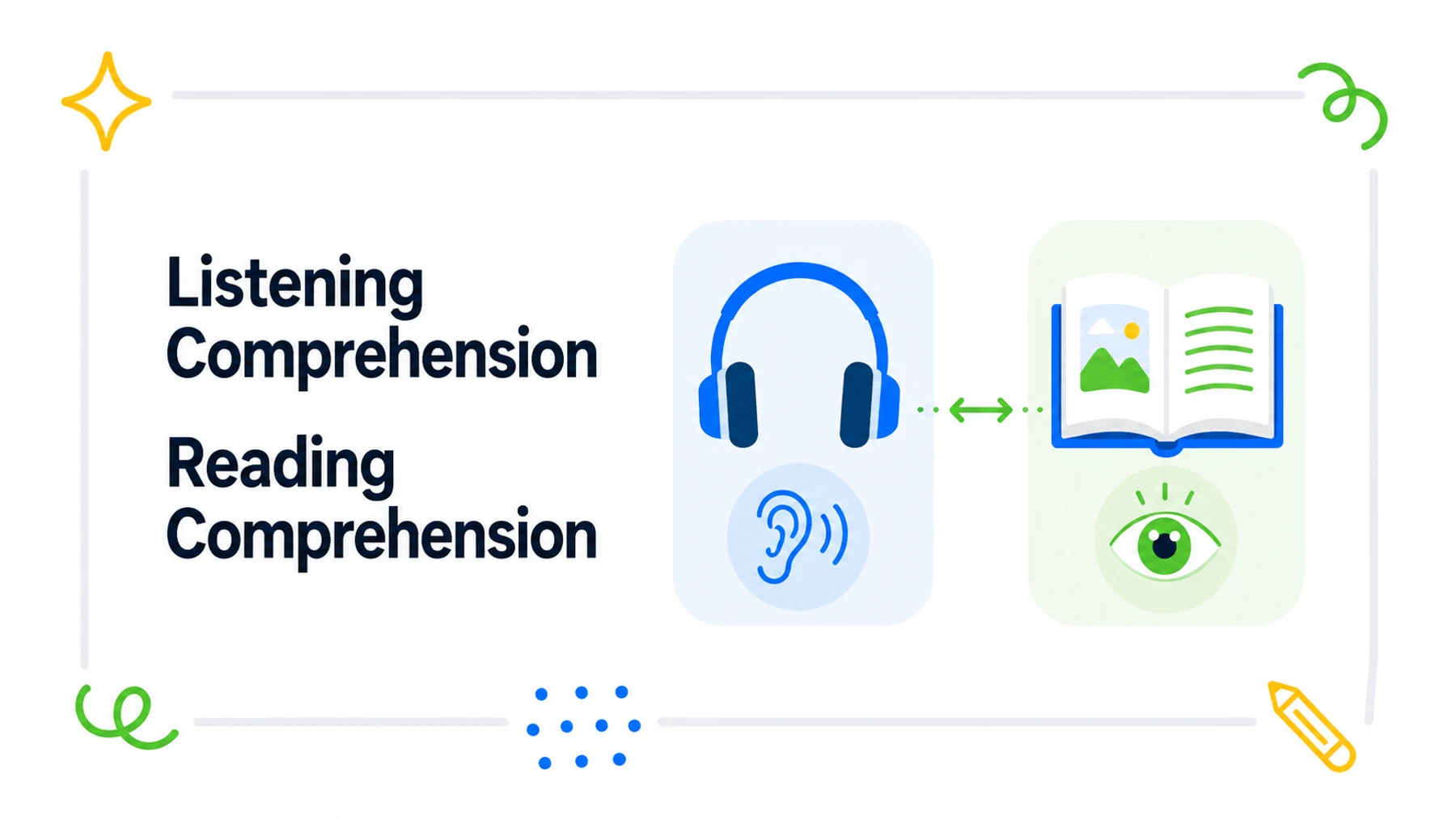
Learn the difference between listening comprehension and reading comprehension, and how listening support can help students access meaning while building reading skills.
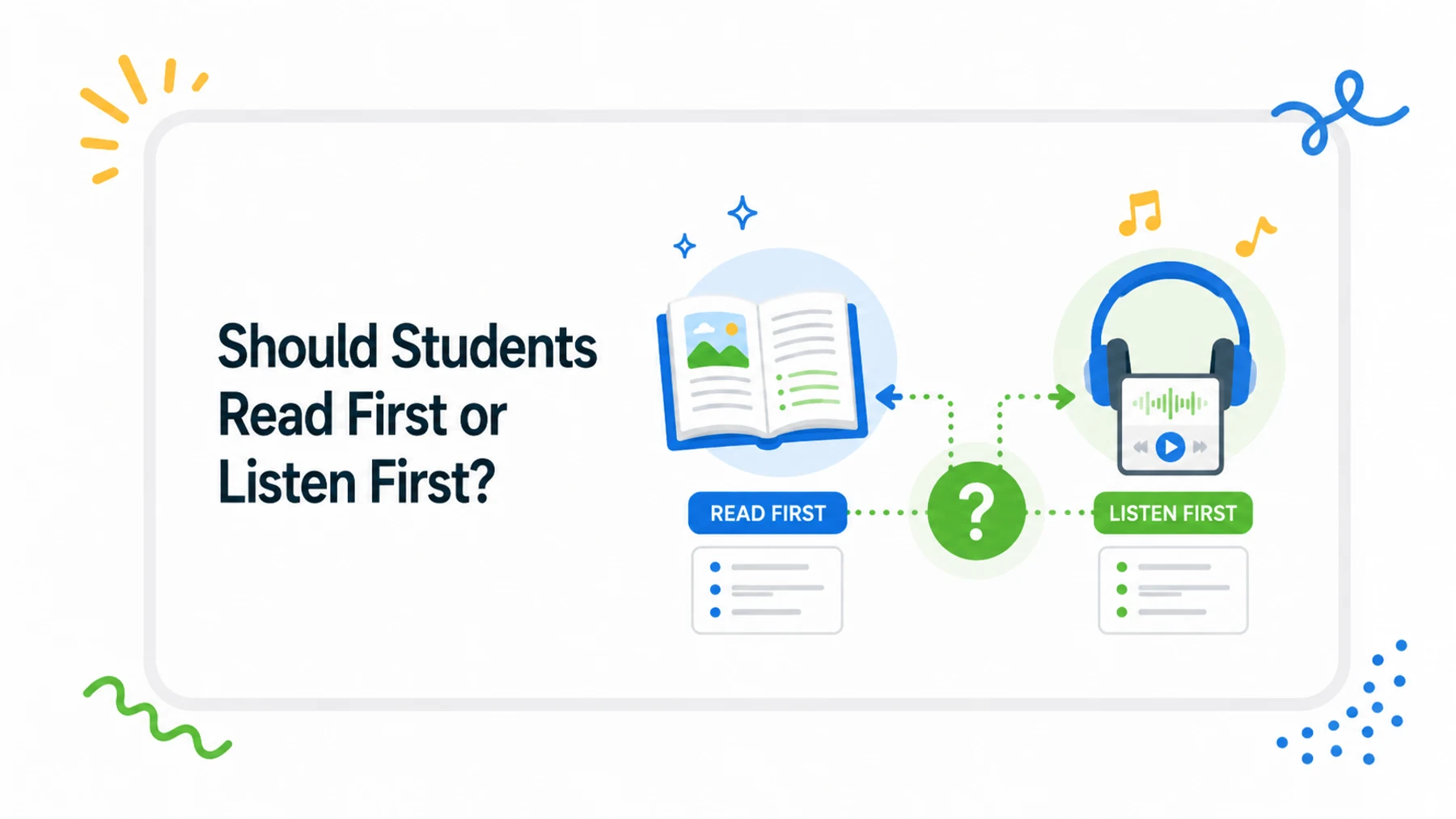
Learn when students should read first, listen first, or use a listen, read, reread routine for comprehension, fluency, confidence, and reading support.
Listening to a reading passage is not cheating. Learn how read aloud support can help students access meaning while still building reading skills.