
Loading articles…
Loading articles…
Plan a manageable learning week and support the readers in your family. Explore homeschool routines, learning together and hands-on reading lessons.
Showing 1–13 of 16 articles
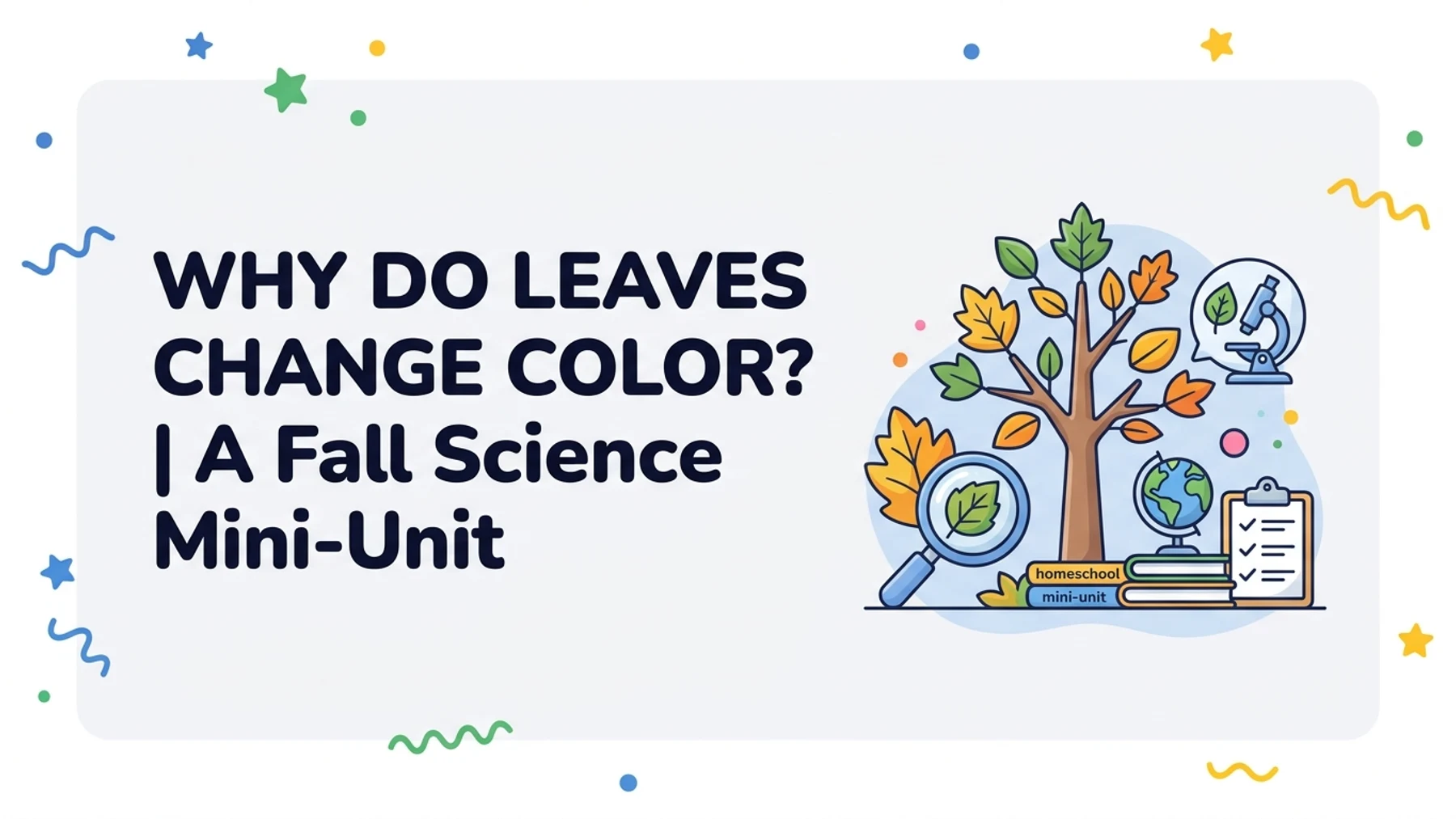
Turn fall color into a small homeschool science investigation. Learn why leaves change, then track what your child actually sees outdoors over the next few weeks.

Turn fall monarch migration into a compact homeschool science-and-reading lesson with one passage, a map, an observation, and optional community-science context.
A library card can make reading at home easier, especially when your child helps choose what comes home. Use September’s Library Card Sign-Up Month to build a simple routine around interest, access, and the right kind of follow-up.
Turn National Preparedness Month into a calm homeschool reading mini-unit: use one trustworthy text, practice sequencing and source awareness, then complete one adult-led family check.
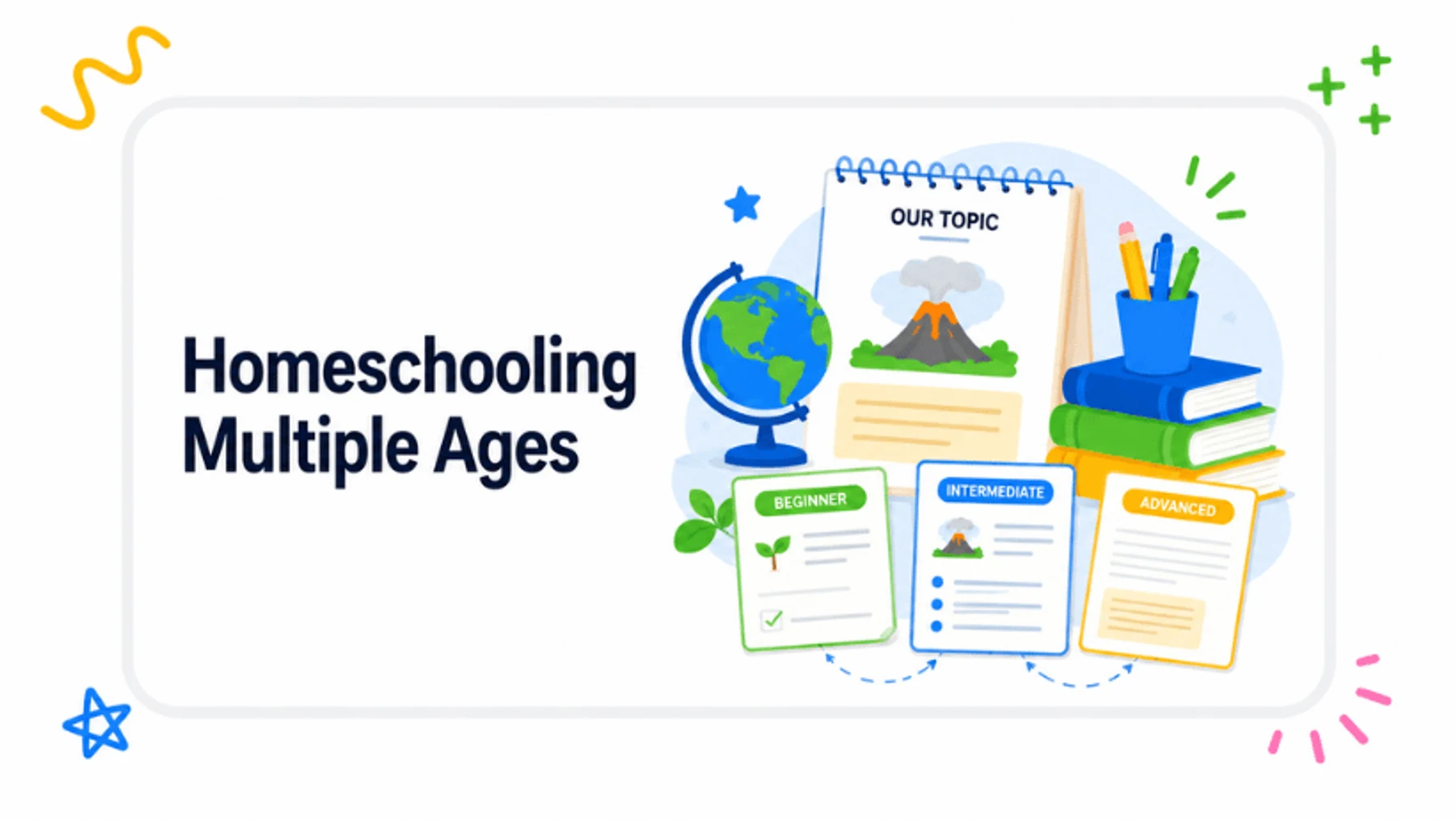
Homeschooling several ages does not require running several separate school days. Share content where it helps, keep sequential skills individual, and rotate your direct attention.
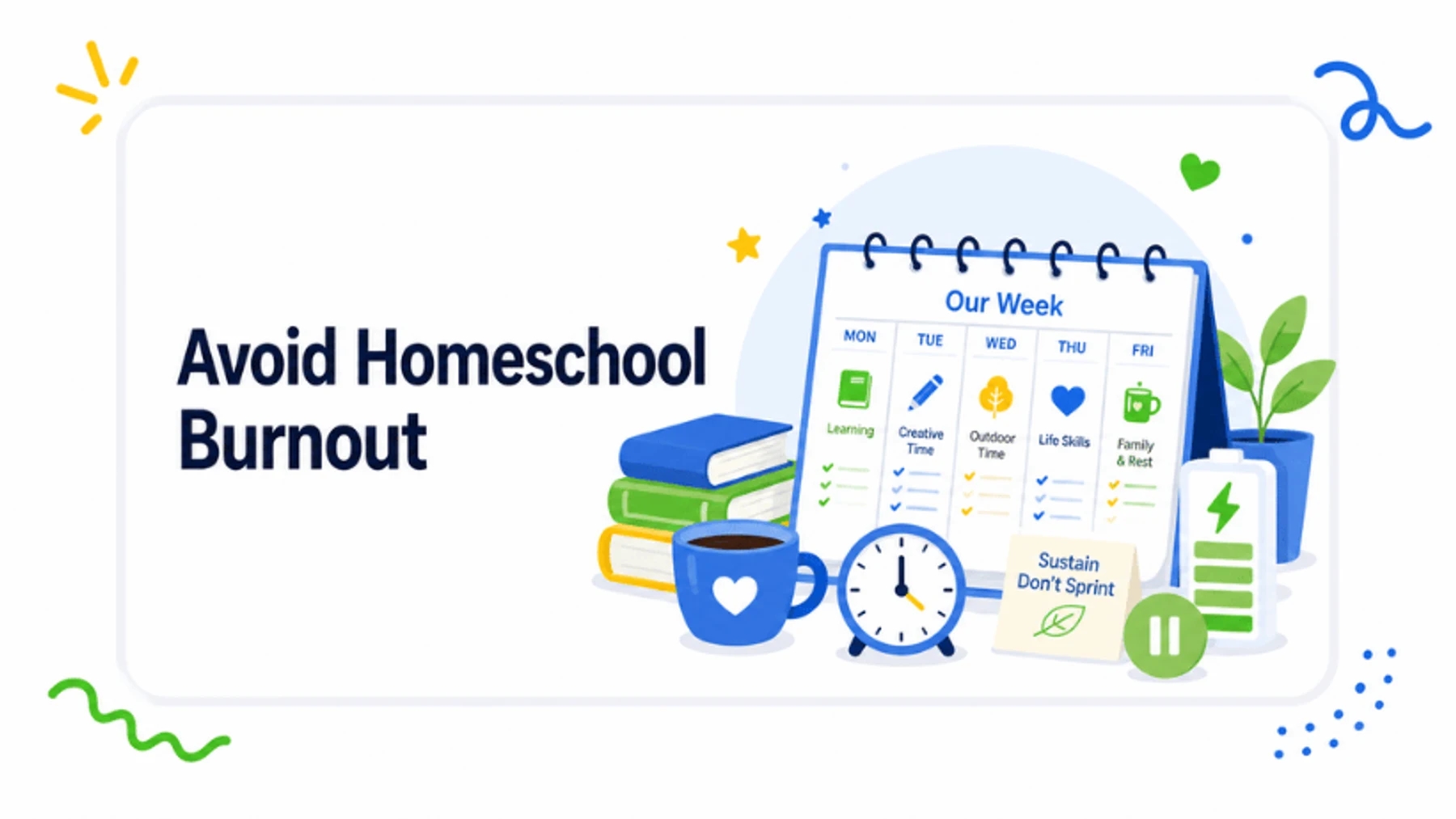
Burnout often grows from too many moving parts, not one bad lesson. Audit the week, simplify the hidden workload, and protect the parent's attention as a limited resource.
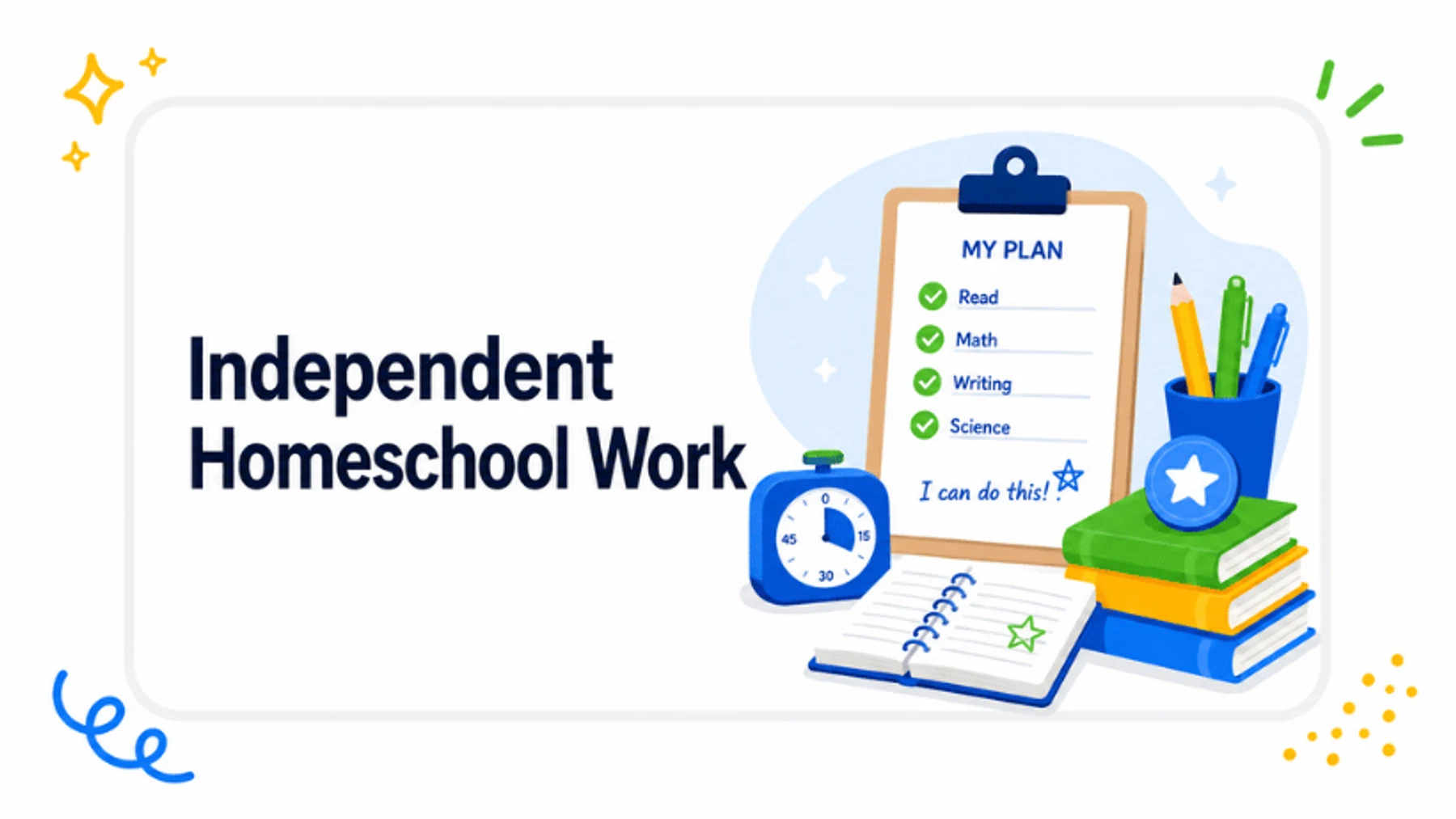
Independence is not doing everything alone. Build it in stages: do with me, start with me, check in, then show me when done.
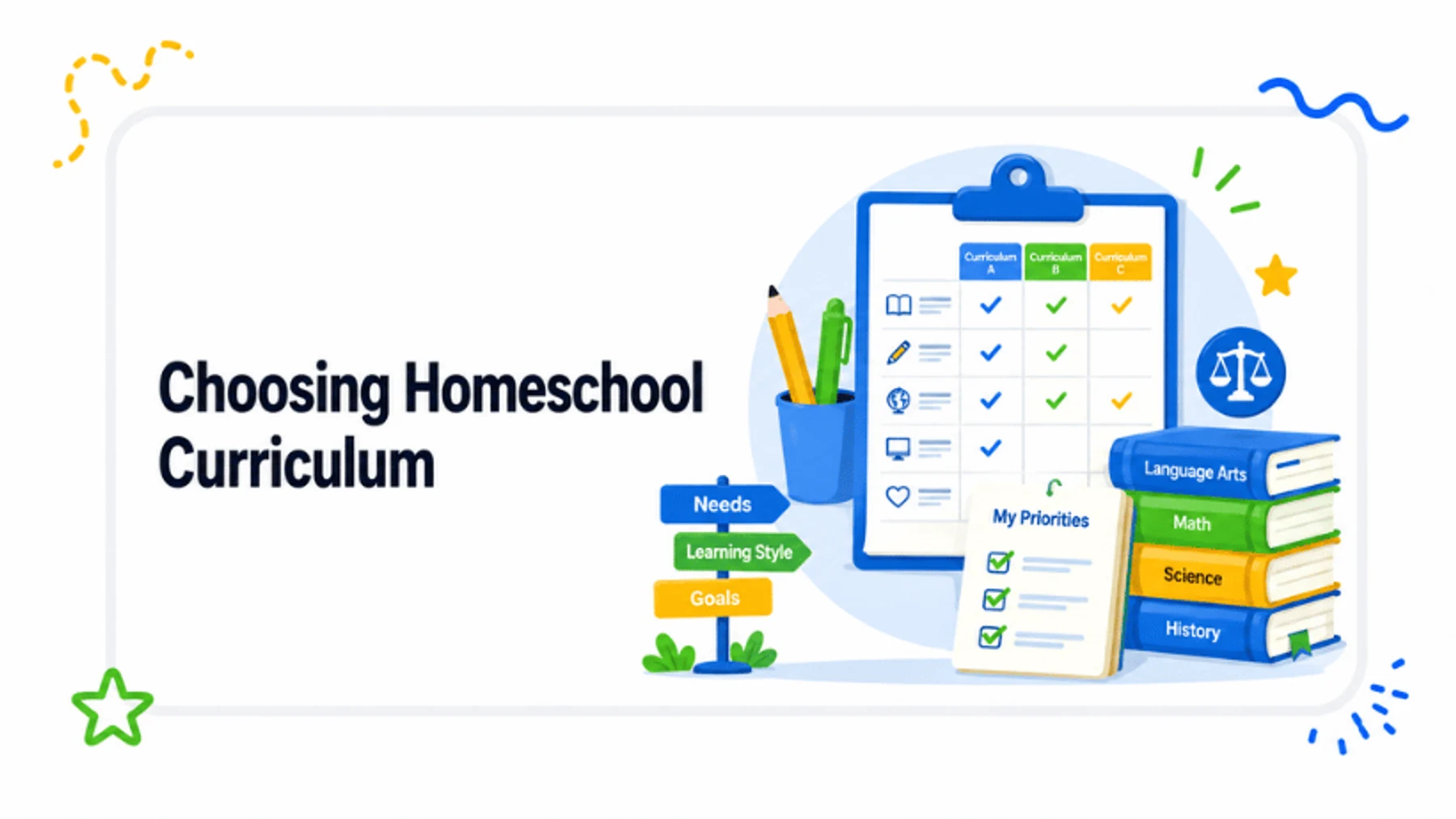
Choose curriculum for fit, not for the longest feature list. Start with your child's needs, your teaching reality, workload, sequence, flexibility, and what still needs a supplement.
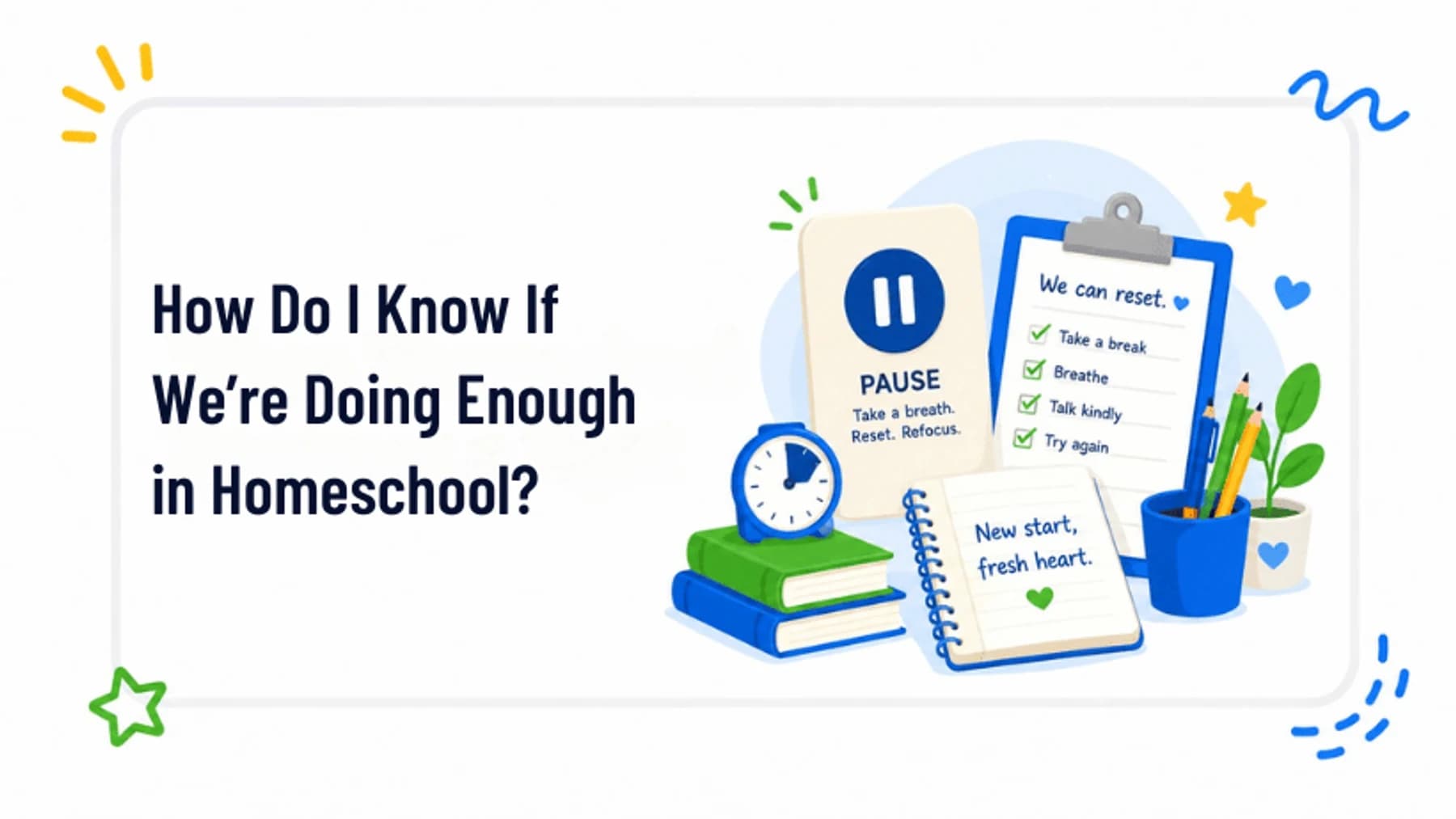
“Enough” is easier to judge by progress, consistency, appropriate challenge, breadth, and sustainability than by copying another family's timetable.
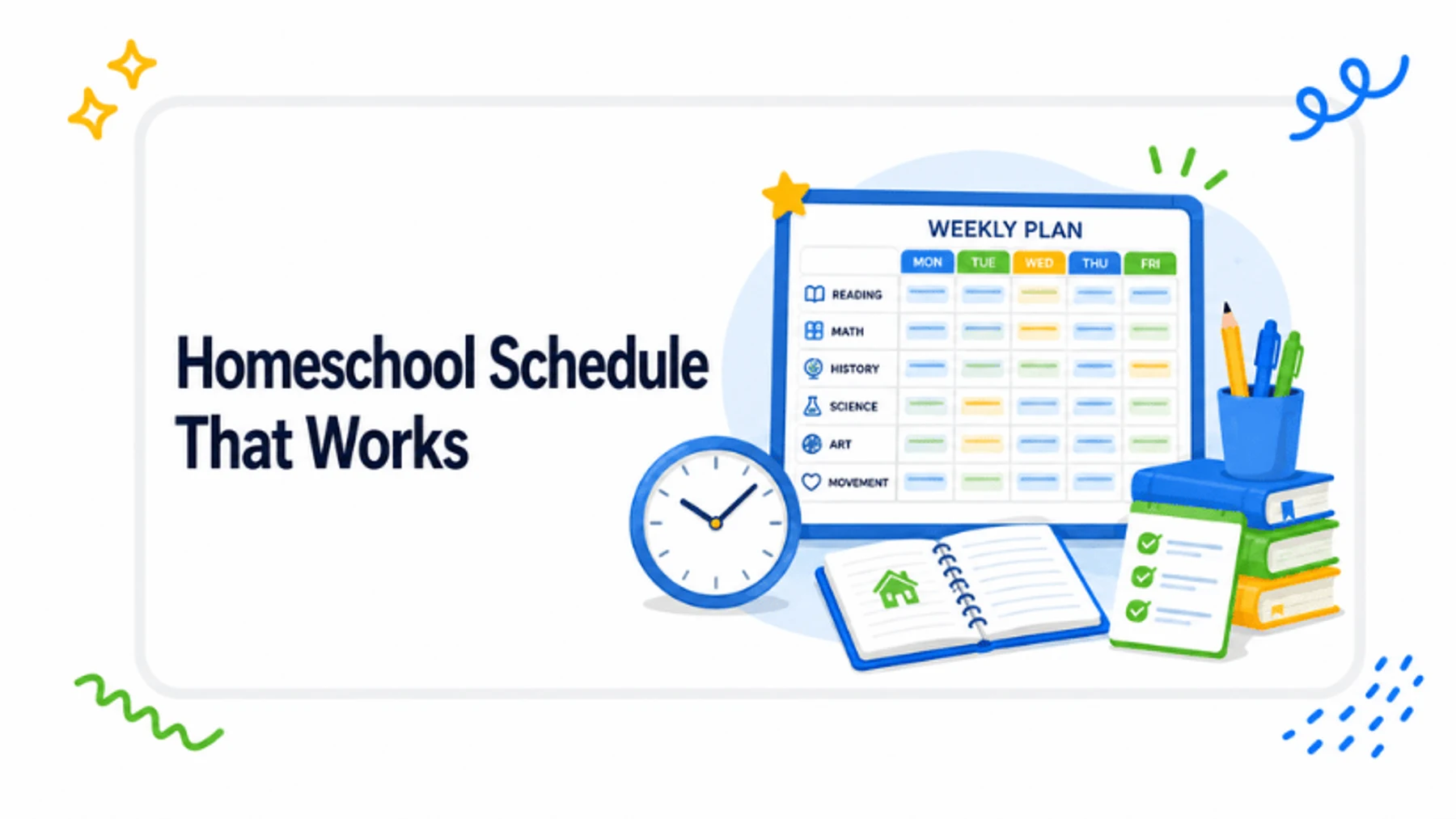
Build a homeschool schedule around priorities, energy, transitions, and flexibility instead of trying to fit every subject into every day.
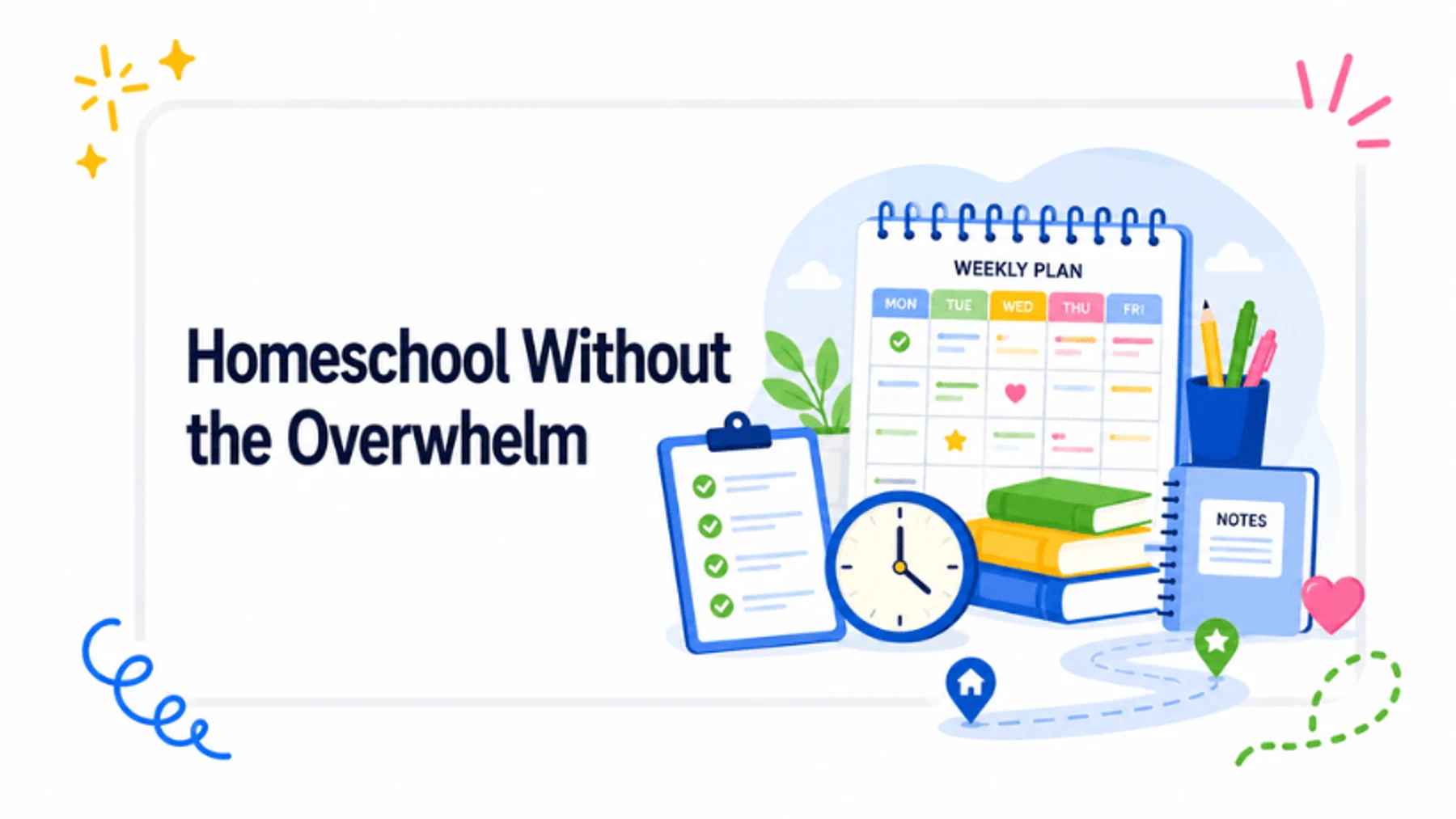
Build a homeschool week around priorities, family rhythm, independence, shared learning, and enough flexibility to keep the system working in real life.
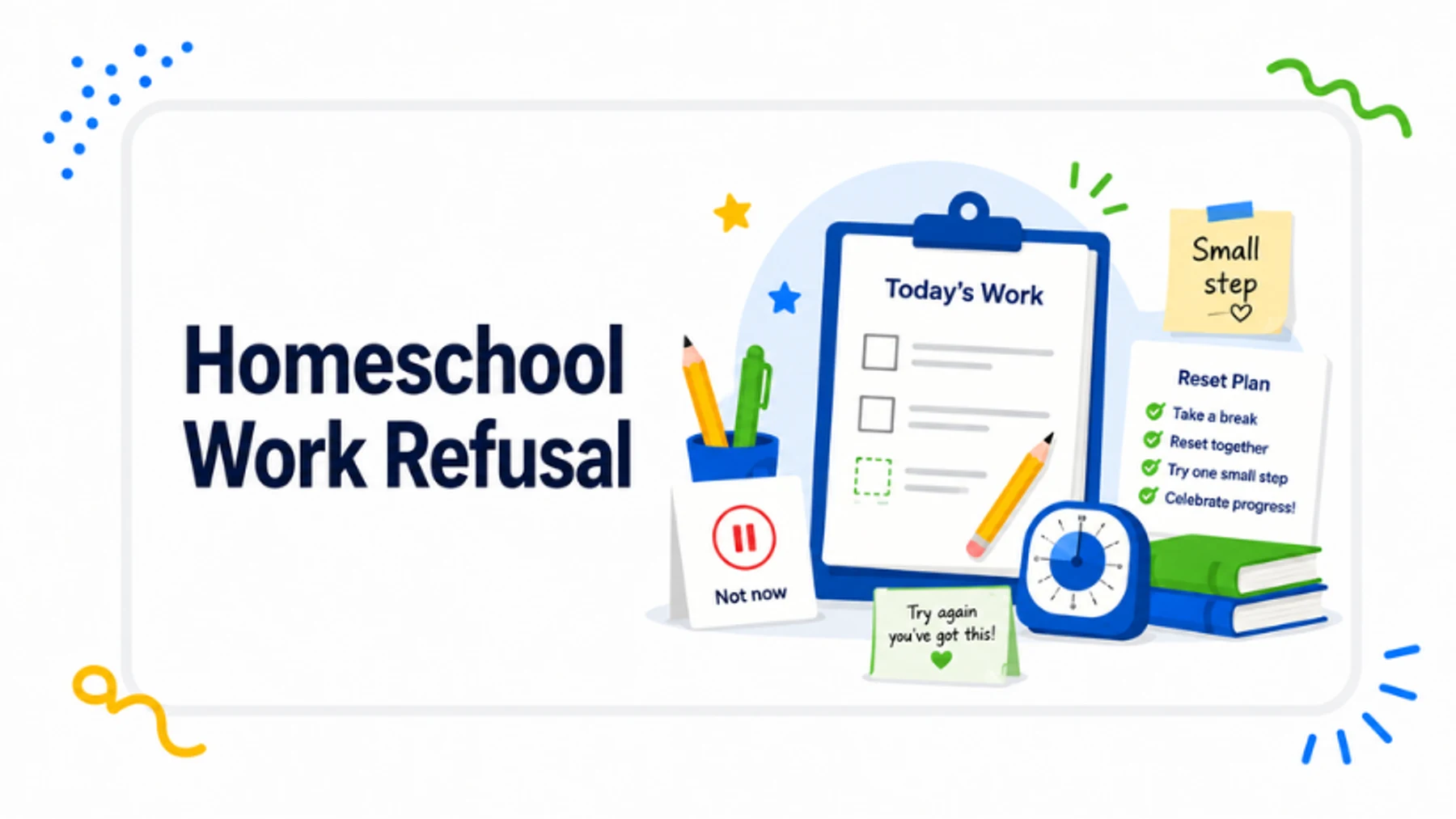
Refusal is a signal, not a diagnosis. Check difficulty, task length, fatigue, timing, transitions, clarity, and the pattern around the work before deciding what to change.
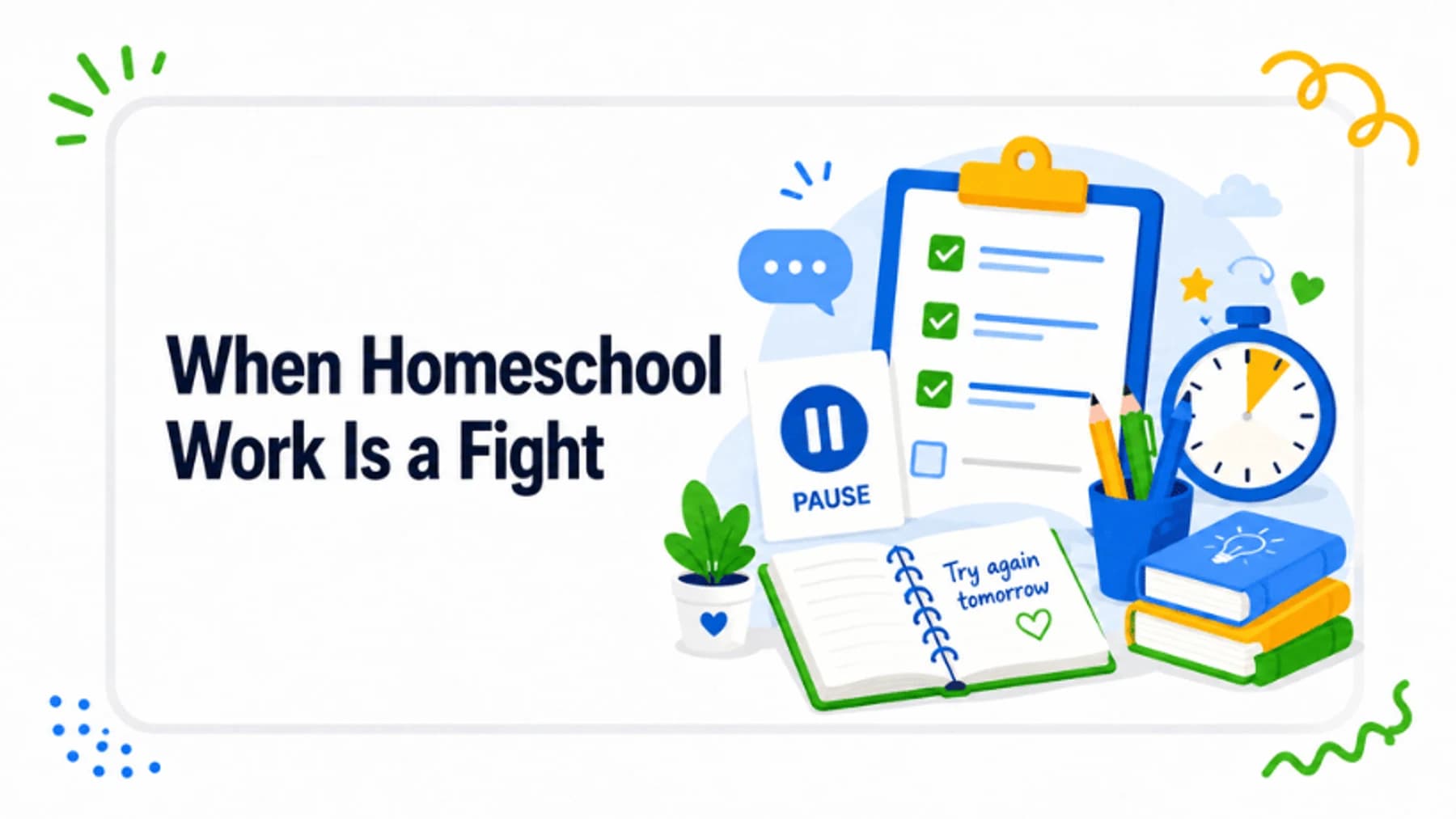
Repeated battles over homeschool work are information. Use the pattern to separate task difficulty, fatigue, transitions, expectations, and relationship strain before deciding what to change.