
Loading articles…
Loading articles…
Explore ways to teach comprehension, fluency, vocabulary and listening. Choose a guide that matches the skill you want students to practice.
Showing 1–13 of 20 articles
Vocabulary homework should help a child understand and use words, not only repeat them. Try a short five-step routine that makes each word more meaningful.
Spelling homework does not have to become a nightly test. Use a short routine that helps your child hear the word, notice its pattern, write it from memory, and learn from the part that went wrong.
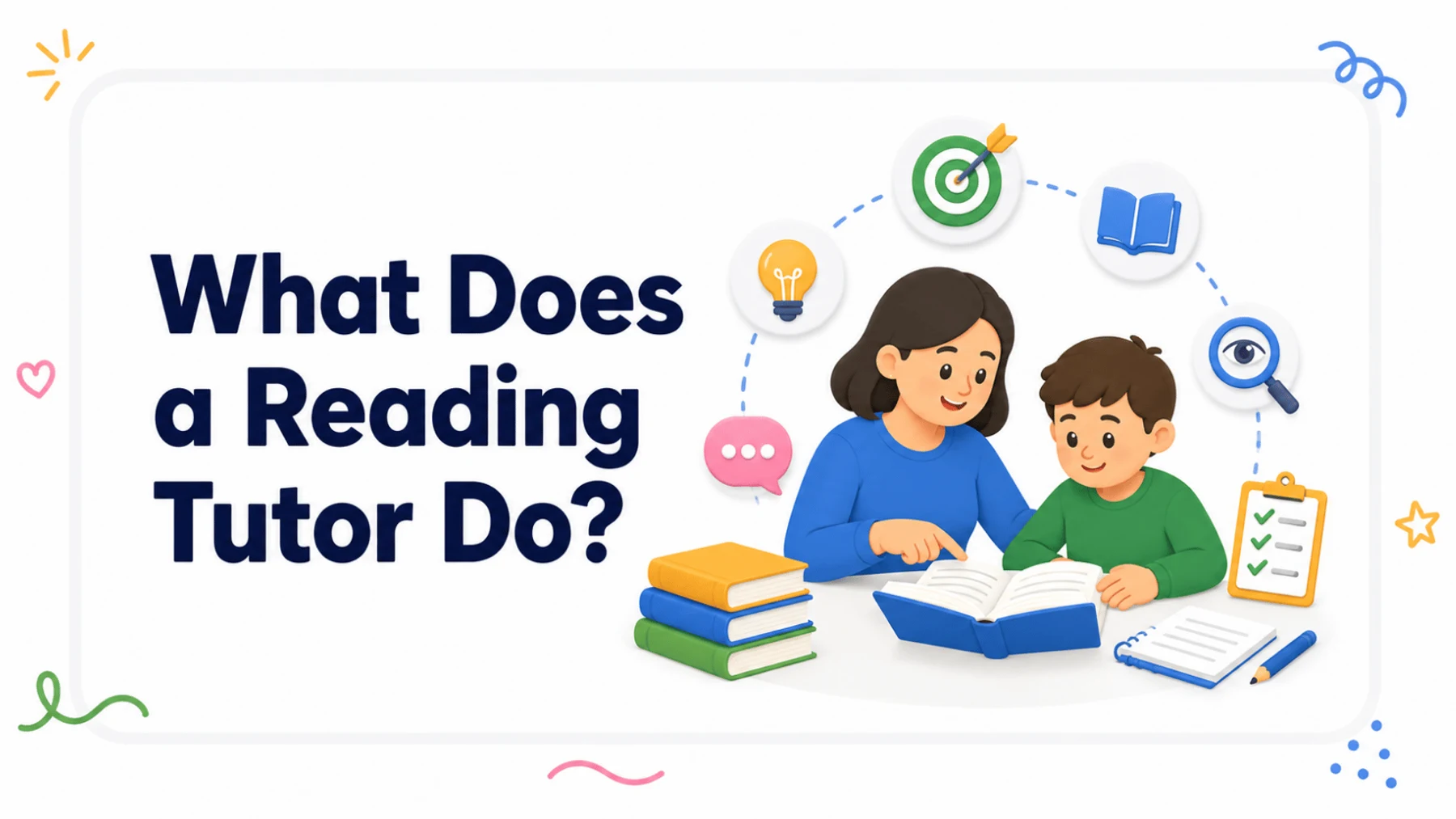
A reading tutor does more than supervise reading. The tutor identifies a useful skill target, teaches it explicitly, gives supported practice, watches how the student responds, and adjusts the next session.
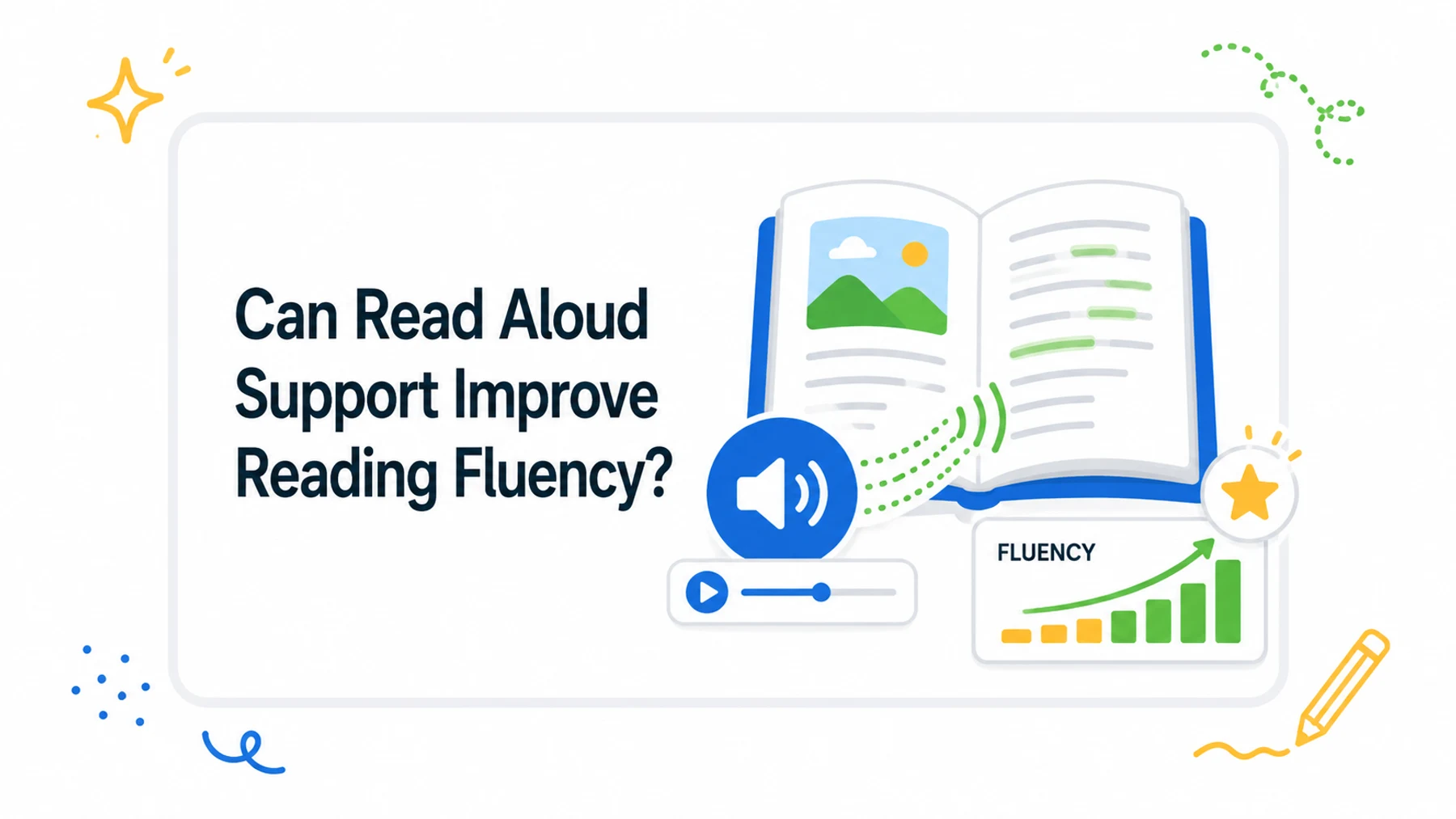
Read aloud support can help students hear fluent reading, reread with more confidence, and improve pacing, phrasing, expression, and comprehension.
Learn how parents can use read aloud passages at home to support comprehension, fluency, confidence, and calmer reading practice.
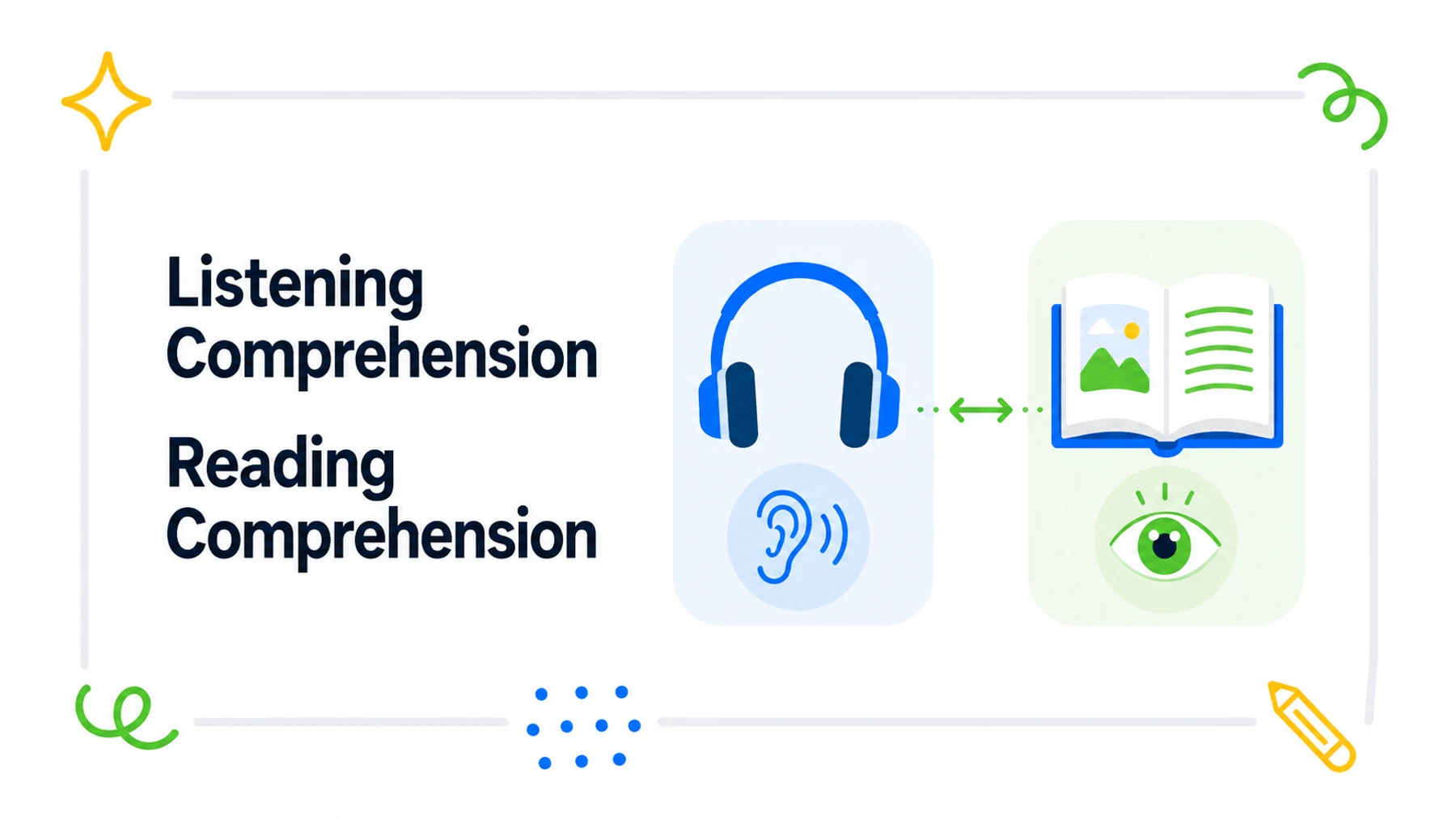
Learn the difference between listening comprehension and reading comprehension, and how listening support can help students access meaning while building reading skills.
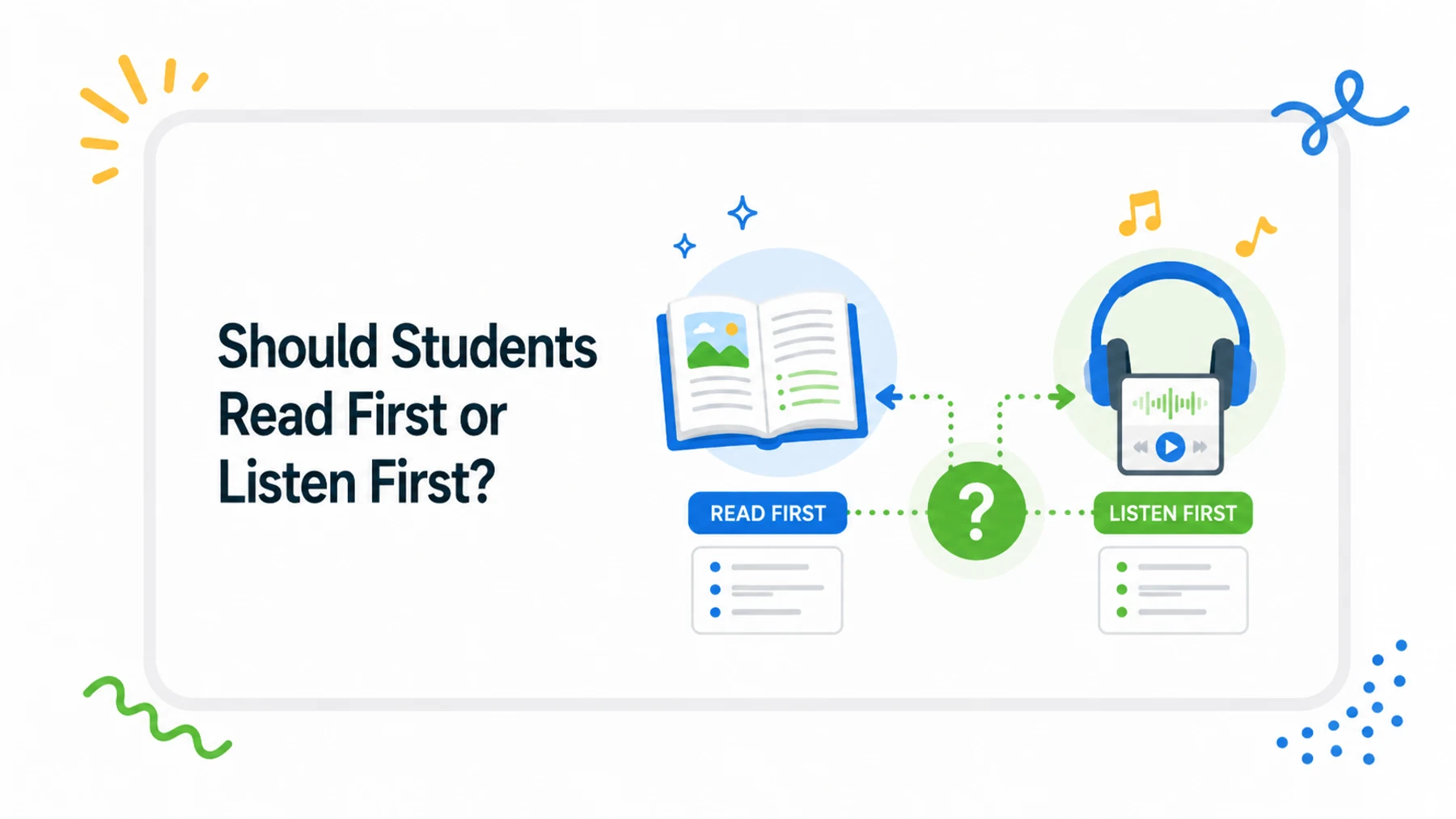
Learn when students should read first, listen first, or use a listen, read, reread routine for comprehension, fluency, confidence, and reading support.
Listening to a reading passage is not cheating. Learn how read aloud support can help students access meaning while still building reading skills.
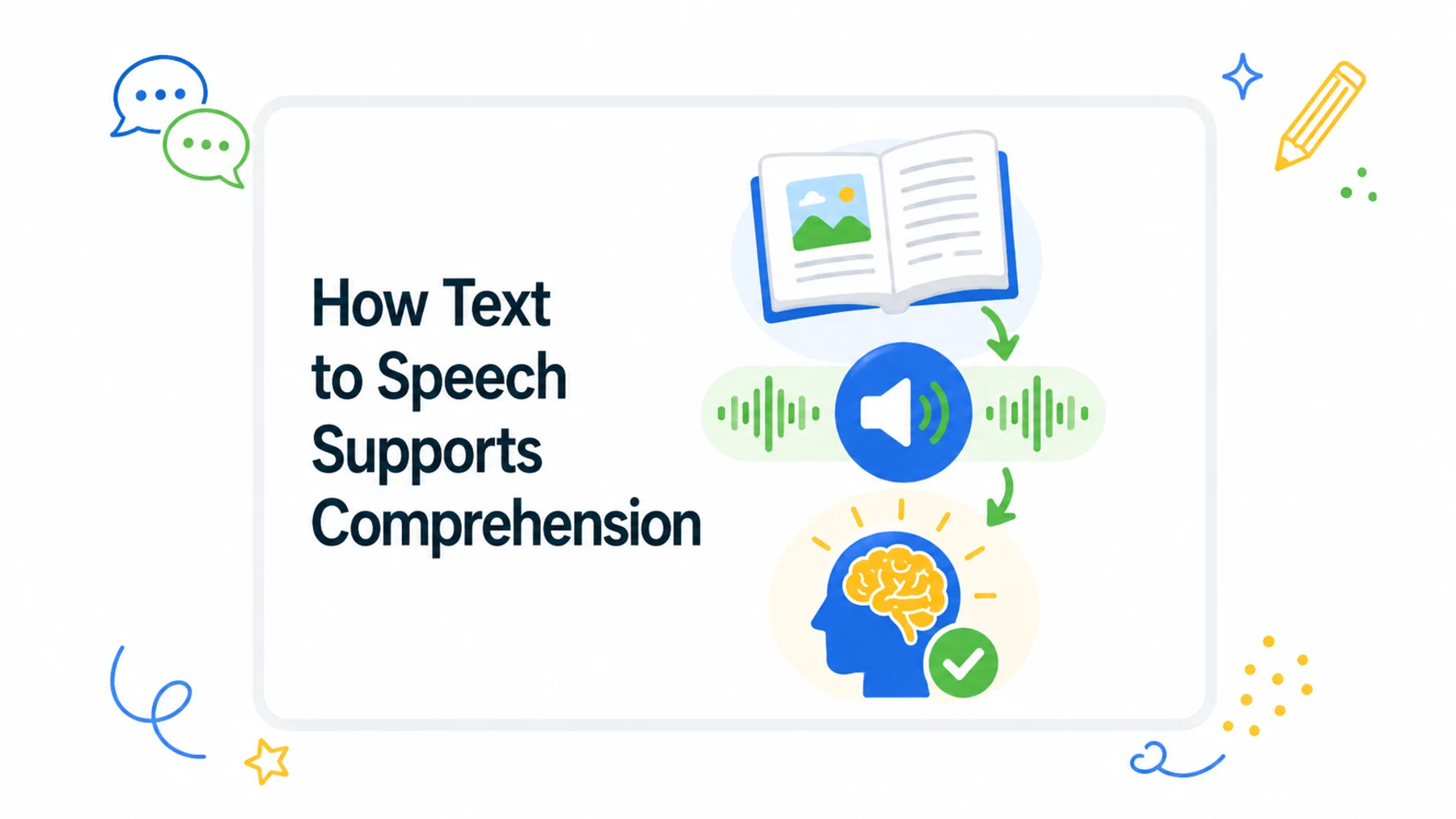
Learn how text to speech can support reading comprehension by helping students listen, follow along, reread, and stay connected to meaning.
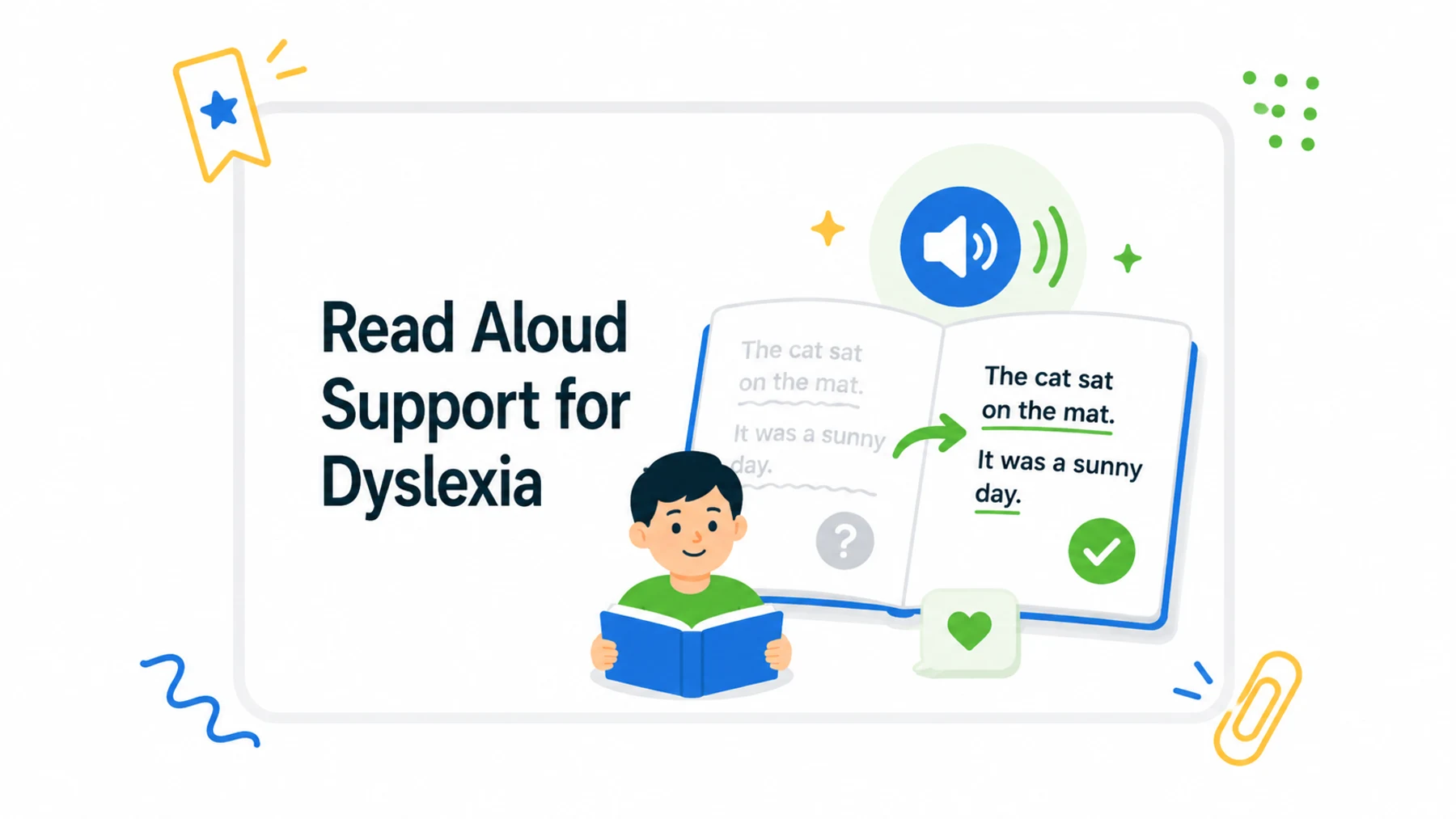
Learn how read aloud support can help students with dyslexia access meaning, build confidence, practice fluency, and stay connected to reading.
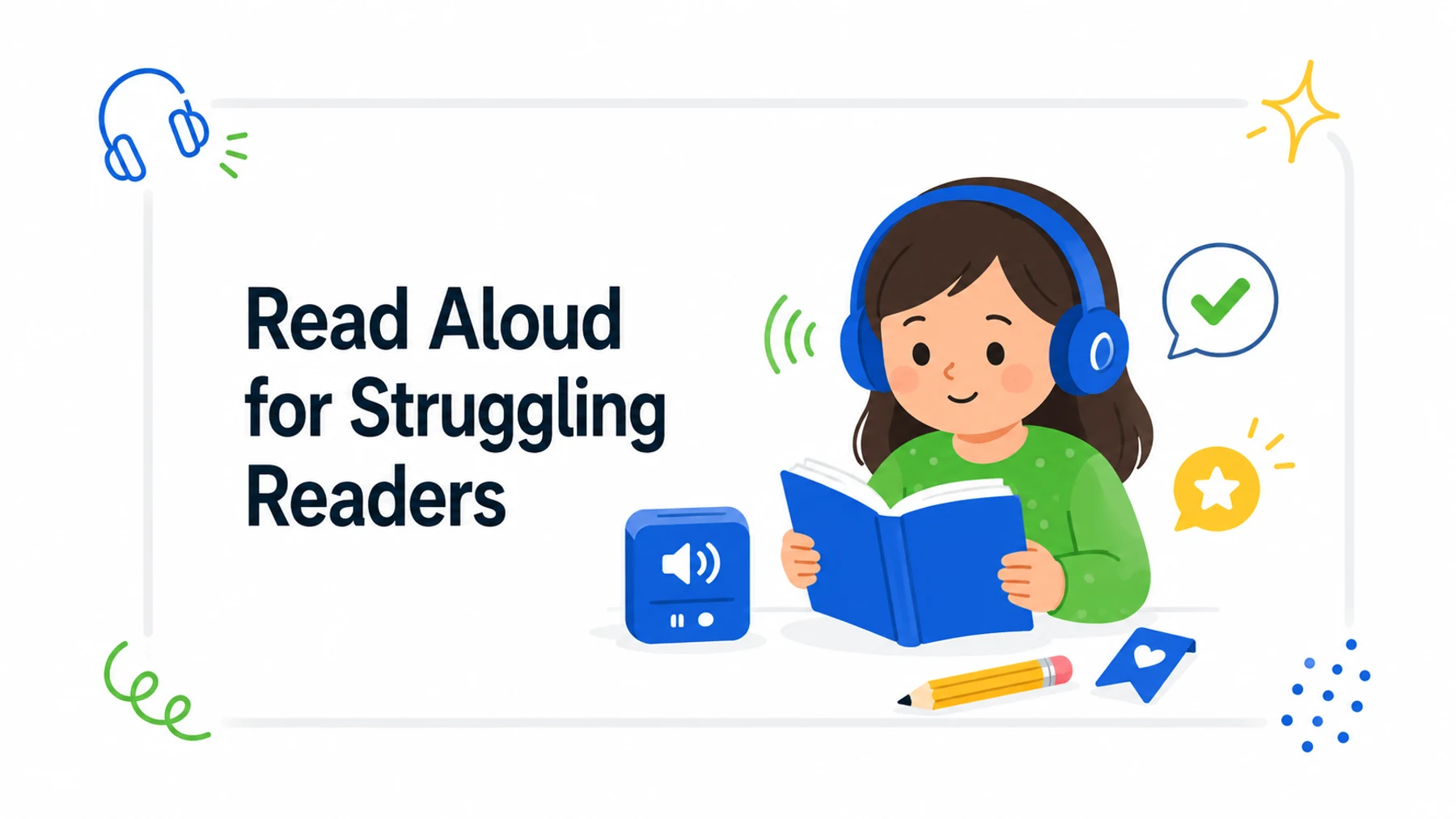
Learn how read aloud support can help struggling readers access meaning, build confidence, practice fluency, and stay engaged with reading.
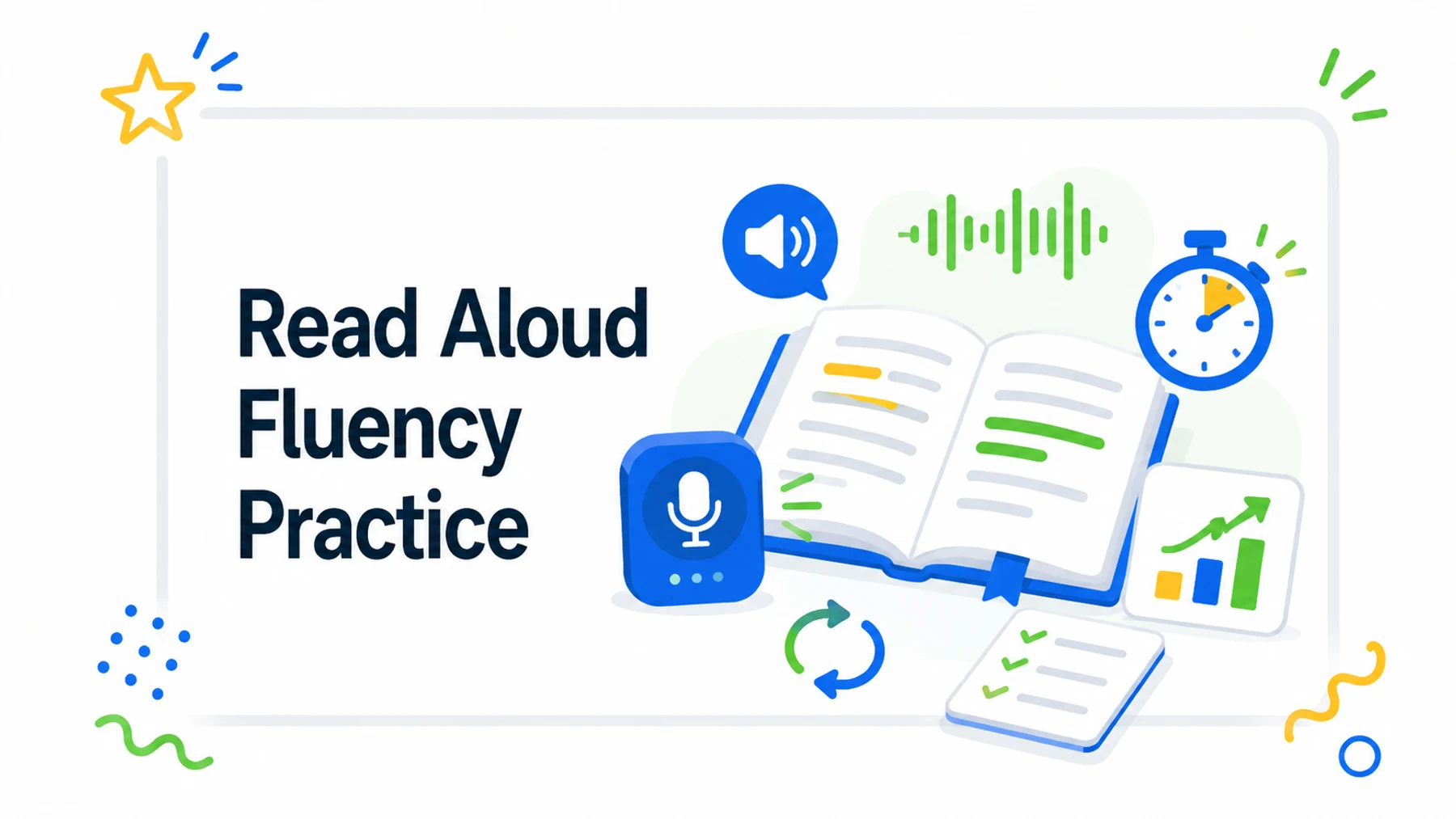
Use read aloud fluency practice to help students hear fluent reading, reread short passages, and improve accuracy, phrasing, expression, and comprehension.
Use listening comprehension passages to help students understand spoken language, build vocabulary, answer questions, and discuss what they hear.